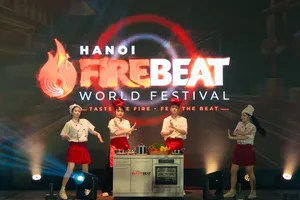
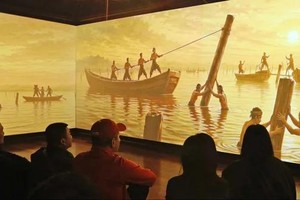
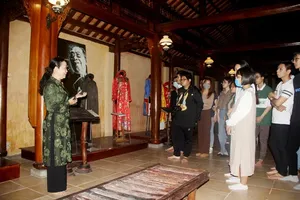
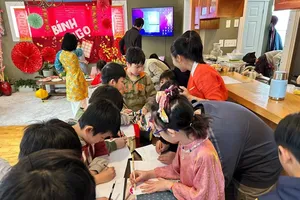
Ranging from artistic performances and heritage showcases to free admission at historic sites, the events aim to bring culture closer to daily life while letting the public participate directly and enjoy the festivities.
Bringing cultural festivities to local communities
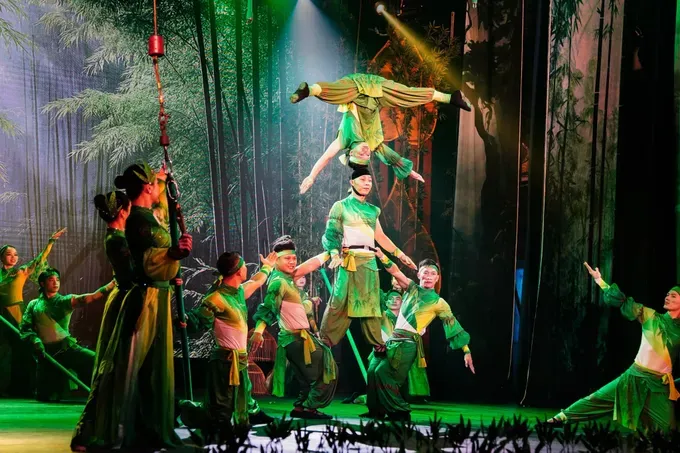
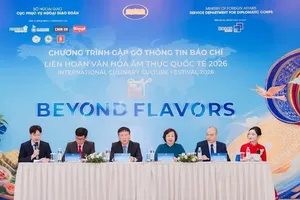
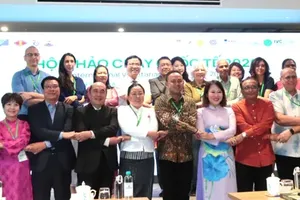
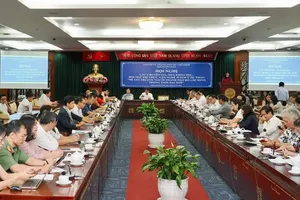
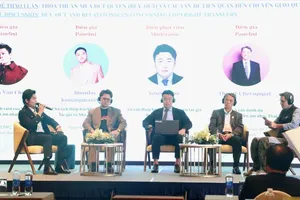
The Ministry of Culture, Sports and Tourism, in coordination with the Party Central Committee's Commission for Information and Education and the Hanoi People’s Committee, held an online press conference on November 5 regarding Vietnam Culture Day, linked with the 2026 Great National Unity Festival and the 80th anniversary of the First National Cultural Conference (November 24, 1946–2026).
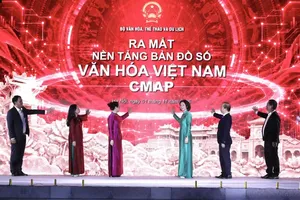
According to statistics, 34 provinces and cities have prepared over 400 programs and activities, with approximately 450 activities updated on the Vietnam Cultural Digital Map (CMAP).
Le Quang Tu Do, Director of the Press Department, stated at the press conference that the activities are organized around key categories, including visual communication and digital media; cultural, sports, and tourism events; heritage preservation, promotion, and the advancement of reading culture; grassroots cultural development; and the promotion of cultural values alongside the commendation and scale-up of exemplary models.
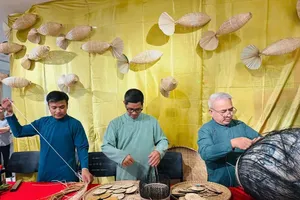
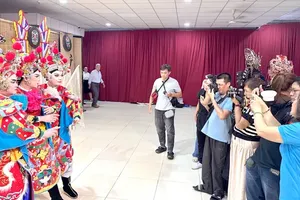
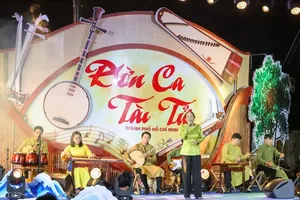
In addition to artistic performances, athletic competitions, displays, and exhibitions, localities are hosting showcases of craft village products, community exchanges, and promotions of Vietnamese culture.
Several ministries and agencies have also drawn up separate plans or integrated response activities into their working programs. Each locality will select representative cultural traits based on regional characteristics to avoid duplicate programming.
Speaking at the press conference, Assoc. Prof. Dr. Bui Hoai Son, Deputy Head of the Party Central Committee's Commission for Information and Education, emphasized that organizing Vietnam Culture Day alongside the Great National Unity Festival presents an opportunity to honor cultural values, strengthen community bonds, and leverage the public’s role as the primary agent in building cultural life.
Activities should target villages, hamlets, residential groups, and neighborhood communities through accessible forms such as artistic exchanges, performances of folk songs and dances, heritage experiences, culinary showcases, sports competitions, and the promotion of reading culture. Due attention must also be paid to commending artisans, artists, intellectuals, influential individuals, and figures making notable contributions to heritage preservation.
The public must directly participate in these activities—from creation and practice to the safeguarding of local cultural values, Assoc. Prof. Dr. Bui Hoai Son noted.
Numerous free activities on offer
In Hanoi, events celebrating Vietnam Culture Day will be concentrated around the Hoan Kiem Lake pedestrian zone from November 21 to 24, featuring heritage parades, artistic performances, and immersive cultural spaces.
On November 24, the ceremony commemorating the 80th anniversary of the First National Cultural Conference will take place at the Ho Guom Opera House in Hanoi, broadcast live on VTV1 television and VOV1 radio.
The flagship event will be a special artistic program on the evening of November 24 at the My Dinh National Stadium, combined with a fireworks display, expected to accommodate approximately 50,000 spectators.
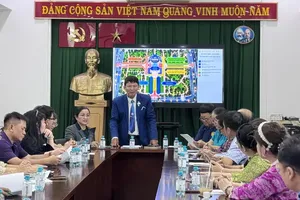
Vice Chairwoman of the Hanoi People’s Committee, Vu Thu Ha, stated that the city has been designated as the lead entity collaborating with ministries and agencies to organize this national-level event. Preparatory work is currently underway across municipal departments, sectors, and local authorities. The city has established an electronic ticketing platform; details regarding registration times and procedures will be announced through mass media channels.
Provinces and cities across the country are also leveraging their distinct cultural features to organize response activities. Hue City will showcase its heritage, Ao Dai (Vietnamese traditional dress), and performing arts, while Ninh Binh will host exhibitions and heritage showcases at the Hoa Lu Ancient Capital. Thai Nguyen, Bac Ninh, and Quang Ninh are developing programs linked to ethnic cultures, Quan Ho folk singing, and the Yen Tu heritage site. The Central and Central Highlands regions will host artistic performances and light shows.
Southern localities will organize cultural exchanges and culinary showcases and offer free admission to select historic sites for visitors.
The cinema sector will also join the festivities with the 8th Hanoi International Film Festival, running from November 28 to December 2. Free screenings will take place across various theaters, alongside mobile cinema units deployed to remote areas, border regions, islands, and localities without movie theaters.
Deputy Director General of the Department of Grassroots Culture, Family and Libraries at the Ministry of Culture, Sports and Tourism, Vi Thanh Hoai, noted that information regarding free and discounted admission programs will be continuously updated on the Vietnam Cultural Digital Map (CMAP) for public convenience.