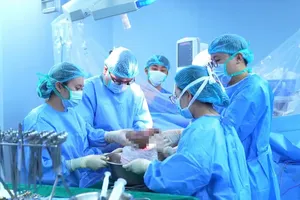
On the morning of November 2, the Ministry of Health released information on a draft report explaining how feedback had been incorporated into, and revisions made to, the draft revised Law on Donation, Removal and Transplantation of Human Tissues and Organs and Donation and Removal of Cadavers.
Under the ministry's latest proposal, people under 18 would not be allowed to donate organs while alive. As for regenerative tissues, those in this age group would be permitted to donate only if they meet stringent conditions.
The revised draft tightens rules on tissue donation by minors
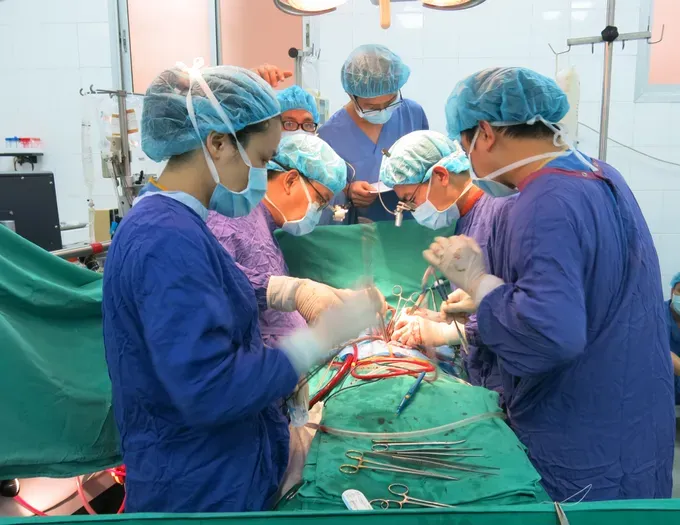
Specifically, people under 18 would be allowed to donate regenerative tissue only to their biological siblings, and only if no suitable adult donor is available. Donors must receive independent counselling to ensure they are not coerced or deceived. Written consent must be obtained from both biological parents. If one parent is deceased, the surviving parent may provide consent. The donated tissue must also be included in a list issued by the Ministry of Health.
The ministry said the proposed tighter conditions for living regenerative tissue donation are intended to protect donors' safety and rights, particularly those of minors. The draft also proposes allowing adult parents to receive donated tissue from their biological siblings, subject to regulatory requirements.
Compared with the draft submitted to the National Assembly on October 21, the revised version dated November 1 introduces notable changes to the conditions for living regenerative tissue donation. Under the earlier proposal, people aged 15 to under 18 could donate regenerative tissue to their biological parents or siblings. Under the latest draft, they would be allowed to donate only to their biological siblings, with parents no longer included. The revised draft also removes the previous age-based categories for tissue donation.
Distinguishing organs, tissues, and regenerative tissues in donation and transplantation
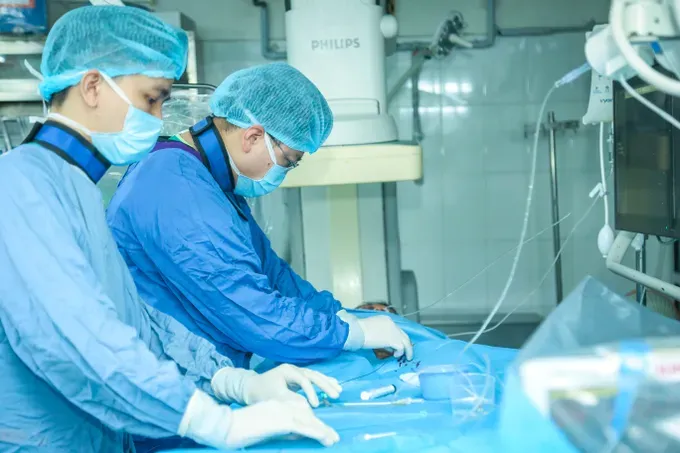
According to medical experts, organs are body structures responsible for essential bodily functions. The organs commonly involved in donation and transplantation include the heart, liver, kidneys, lungs, and pancreas. Organ transplants can help save lives or improve the quality of life of people with serious illnesses.
Under the current Law on Donation, Removal and Transplantation of Human Tissues and Organs and Donation and Removal of Cadavers, tissue is defined as a group of cells, either of the same or different types, that perform specific functions in the body. Tissues commonly used in transplantation include corneas, skin, bones, tendons, and hematopoietic stem cells.
Regenerative tissues can produce new cells to replace those that have been lost. Hematopoietic stem cells are one example, as they can develop into various types of blood cells. Doctors collect these cells from bone marrow or peripheral blood to treat certain blood disorders and bone marrow failure.
By contrast, non-regenerative tissues cannot be replaced by the body through the same mechanism after they are removed. In an earlier draft, the Ministry of Health cited the retina, sclera, and heart valves as examples of non-regenerative tissues. Their classification and specific donation requirements must be based on regulations and professional lists issued by competent authorities.
However, medical experts stress the need to distinguish between the regenerative capacity of tissue and the ability of an organ to regenerate. For example, the liver can regenerate part of its mass after surgical removal, but this does not mean it is classified as regenerative tissue under organ and tissue donation and transplantation regulations.
Even when tissue has regenerative capacity, donation must remain voluntary, meet health requirements, and comply with regulations designed to protect donors.








)