The draft Law on Donation, Removal and Transplantation of Human Tissues and Body Parts, and Donation and Removal of Corpses (amended) proposes expanding opportunities for organ and tissue donation among people under 18 in limited circumstances, accompanied by stringent protective measures.
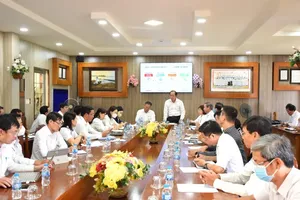
On the afternoon of October 27, the Ministry of Health held a press conference on the draft Law on Donation, Removal and Transplantation of Human Tissues and Body Parts, and Donation and Removal of Corpses (amended).
Ministry leaders addressed a number of issues of public concern, including the proposal to permit tissue and body-part donation by individuals under 18.
Expanding lifesaving opportunities while strictly protecting donors
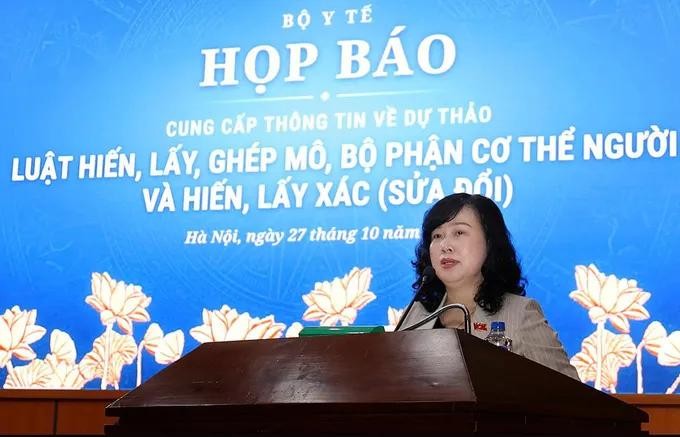
Minister of Health Dao Hong Lan said that after 20 years of implementation, the current law has revealed shortcomings amid the rapid development of medical science and technology. At the same time, organ transplantation remains a life-saving opportunity for many patients with end-stage organ failure, while demand for pediatric transplants remains substantial.
The draft law is built on two core principles: expanding opportunities to save patients' lives and strengthening protections for donors. Broadening the pool of eligible donors must be accompanied by strict regulations on donation conditions, eligible recipients, and prohibited acts to prevent coercion, organ trafficking, and profiteering.
The minister emphasized that public concerns regarding organ and tissue donation by children should be heard and clearly addressed.
Many children awaiting transplants
Permanent Deputy Minister of Health Vu Manh Ha said the 2006 Law on Donation, Removal and Transplantation of Human Tissues and Body Parts, and Donation and Removal of Corpses created an important legal framework for organ transplantation activities in Vietnam. From the country's first transplant in 1992 through March 2026, a total of 11,187 transplant procedures had been performed nationwide.
However, after decades of implementation, existing regulations have shown limitations and no longer fully meet treatment demands or the development of medical science. It is estimated that children in Vietnam require about 55 liver transplants and 60 kidney transplants annually, while around 200 pediatric patients are currently waiting for liver transplants.
Demand for hematopoietic stem cell transplants to treat conditions such as acute leukemia, bone marrow failure, thalassemia, and congenital immune disorders also far exceeds current capacity.
Transplants from adult donors to young children face significant challenges because of differences in organ size, blood vessels, and anatomical characteristics. Therefore, the draft law seeks to expand suitable donor sources while establishing robust safeguards for underage donors.
Under the Ministry of Health's proposal, living donors under 18 would only be allowed to donate regenerative tissues, such as hematopoietic stem cells, in limited circumstances. Donation of healthy organs and body parts, including the liver, kidneys, heart, and lungs, would remain strictly prohibited.
Specifically, individuals aged 15 to under 18 could donate regenerative tissues to family members when no suitable adult donor is available. Children under 15 could donate only to their parents or biological siblings under the same conditions. Donors must meet health requirements, receive independent counseling, and obtain consent from both the child and their parents or legal guardians.
For posthumous donation, the draft proposes allowing people under 18 to register their donation wishes with written consent from their parents or legal guardians. Tissue and organ recovery could only proceed if all legal requirements are met, including brain-death or circulatory-death determination conducted through an independent professional process.
Strict protection mechanisms proposed
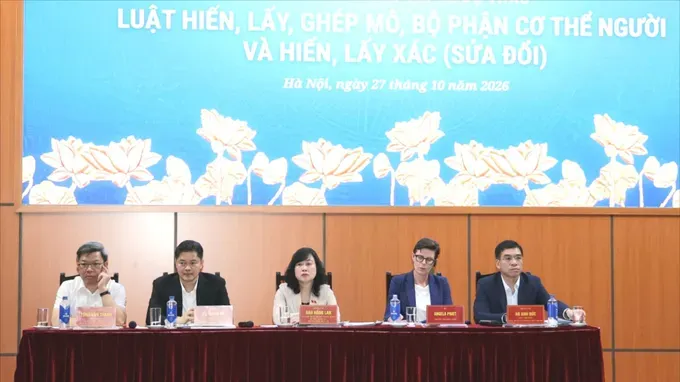
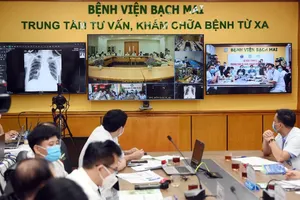
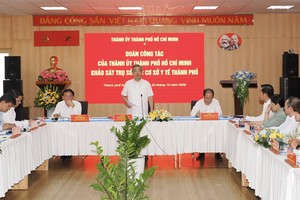
At the press brief
In response to concerns about organ trafficking or coercion involving children, the draft introduces protective measures including independent counseling, full disclosure of information, and guarantees of voluntary participation. Any objection or refusal expressed by a child must be respected and formally recorded.
The draft also prohibits exploiting guardianship, foster-care, or adoption relationships to obtain tissues or body parts in violation of legal regulations.
Vice Chairman Dang Hoa Nam of the Vietnam Association for Protection of Children's Rights (VACR) said consulting children during the lawmaking process is necessary but not sufficient to ensure their best interests. In addition to an independent medical review board, he suggested considering the involvement of child psychologists or social workers in assessing whether consent is truly voluntary, helping prevent situations in which children may be influenced, persuaded, or coerced.
The World Health Organization (WHO) has voiced support for expanding child tissue and organ donation in Vietnam, provided strict safeguards are put in place to prioritize the best interests of pediatric donors.
Angela Pratt, the WHO Representative to Vietnam, emphasized that any policy expansion must establish clear distinctions between living and post-mortem donations. She urged that children be given age-appropriate information, retain the absolute right to refuse or withdraw consent, and be rigorously protected against coercion or exploitation.


)