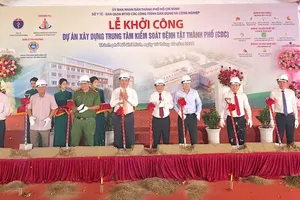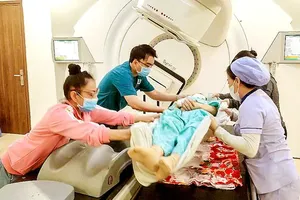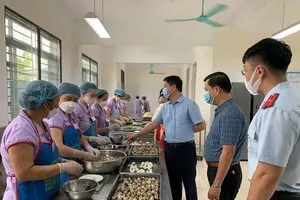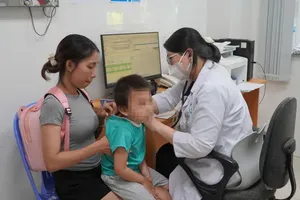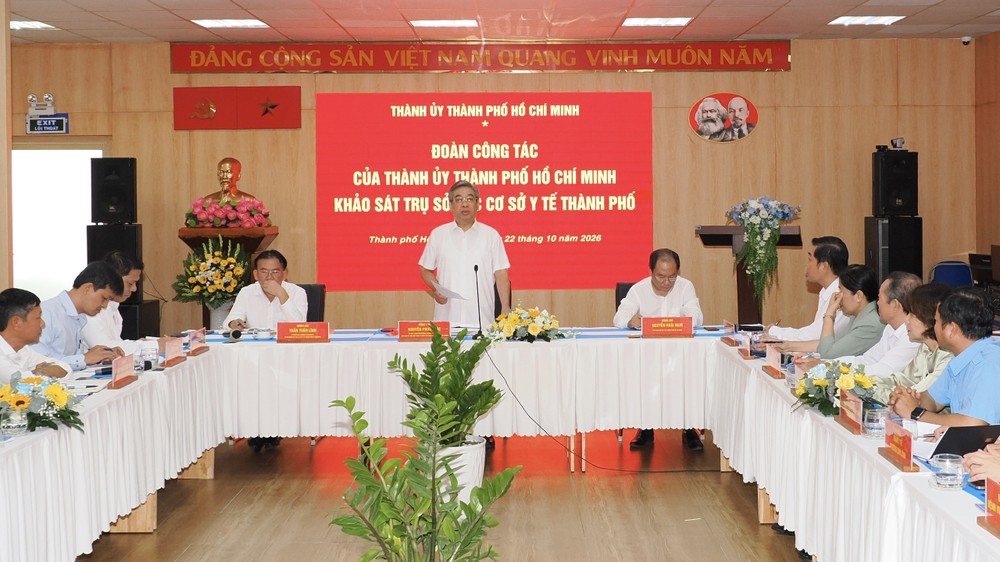
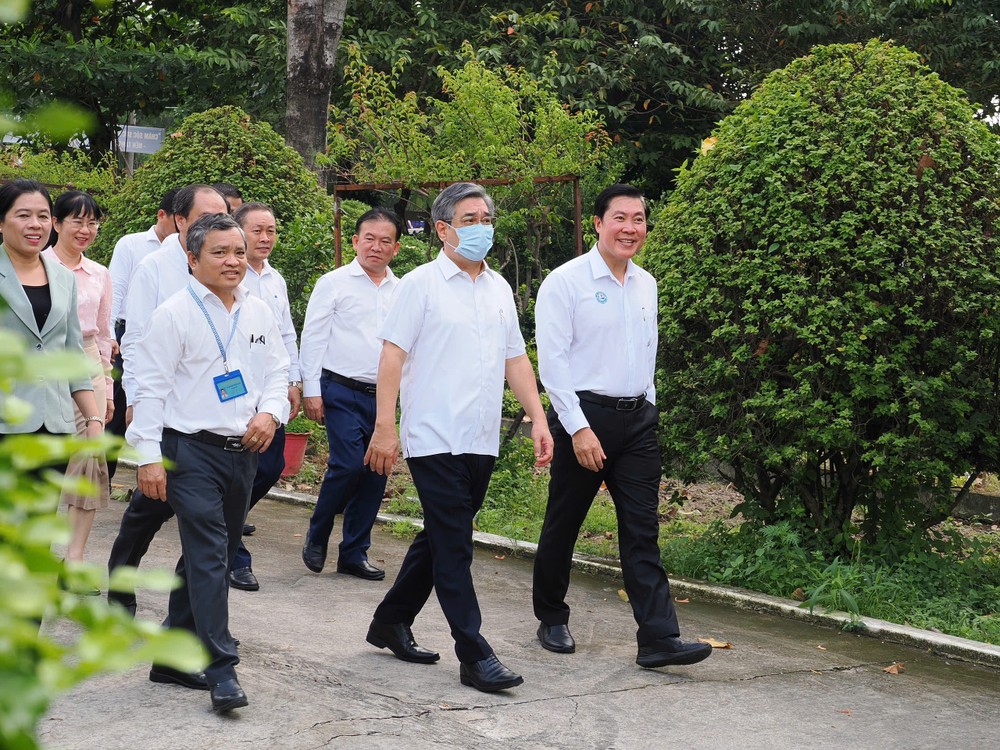
A delegation from the Ho Chi Minh City Party Committee, led by Mr. Nguyen Phuoc Loc, Deputy Secretary of the Ho Chi Minh City Party Committee and Chairman of the Vietnam Fatherland Front Committee of Ho Chi Minh City, inspected healthcare facilities on October 22 to assess options for improving the use of public properties.
Surplus facilities eyed for relocation and expansion
At the meeting, Dr. Vu Tri Thanh, Director of Thu Duc Hospital, said the hospital had expanded its specialties and introduced new medical techniques to meet growing demand. Its development plans include strengthening specialized services and improving maternal and child healthcare. However, existing infrastructure has become a major constraint on further expansion.
The hospital plans to build a new block with approximately 300 beds, with construction scheduled to begin in April 2027. The project will require the relocation of around 30 outpatient consultation rooms and several departments currently operating on the construction site.
With limited space on its existing campus, the hospital faces difficulties finding alternative premises that would allow it to hand over the site while maintaining patient services.
Dr. Vu Tri Thanh proposed that the hospital be allowed to continue using a 4,400-square-meter facility at 14 Phu Chau Street. The city had previously assigned the premises to the hospital for logistical support during the Covid-19 pandemic. The facility currently accommodates several administrative and functional units, pharmaceutical and medical supply storage, medical records and ambulance parking.
Continued use of the premises would enable the hospital to relocate departments and maintain operations while the new building is under construction, Dr. Vu Tri Thanh said.
The hospital also proposed considering the former site of the Mental Health Patient Care Center at 37 Phu Chau Street for future expansion after the center relocates. The land could provide additional space for infrastructure, functional departments and specialized medical services to meet local healthcare needs.
Expansion must be based on healthcare demand
Speaking at the meeting, Mr. Nguyen Phuoc Loc stressed that surplus public buildings and land arising from administrative restructuring must be put to productive use promptly to prevent waste, with healthcare development given priority.
The objective is to strengthen medical capacity, reduce pressure on hospitals, improve working conditions for healthcare personnel, and provide better treatment environments for patients. The city should also expand access to healthcare while strengthening grassroots medical services, he said.
Acknowledging Thu Duc Hospital's efforts to develop its expertise and introduce new techniques, Mr. Nguyen Phuoc Loc emphasized that decisions on investment and expansion must be supported by reliable data.
Health authorities should assess population size, existing bed capacity, disease patterns, and local demand for medical services, including needs in neighboring areas such as Thuan An and Di An. Such analysis would provide a sound basis for determining investment requirements and ensuring proposed projects respond to actual demand.
Healthcare development in Thu Duc must also be considered within the broader network of specialized medical services across the city. In the short term, authorities should explore upgrading and expanding existing facilities. Over the longer term, they must plan appropriate land reserves, hospital capacity and specialty structures while ensuring integration with transport infrastructure and regional development plans.
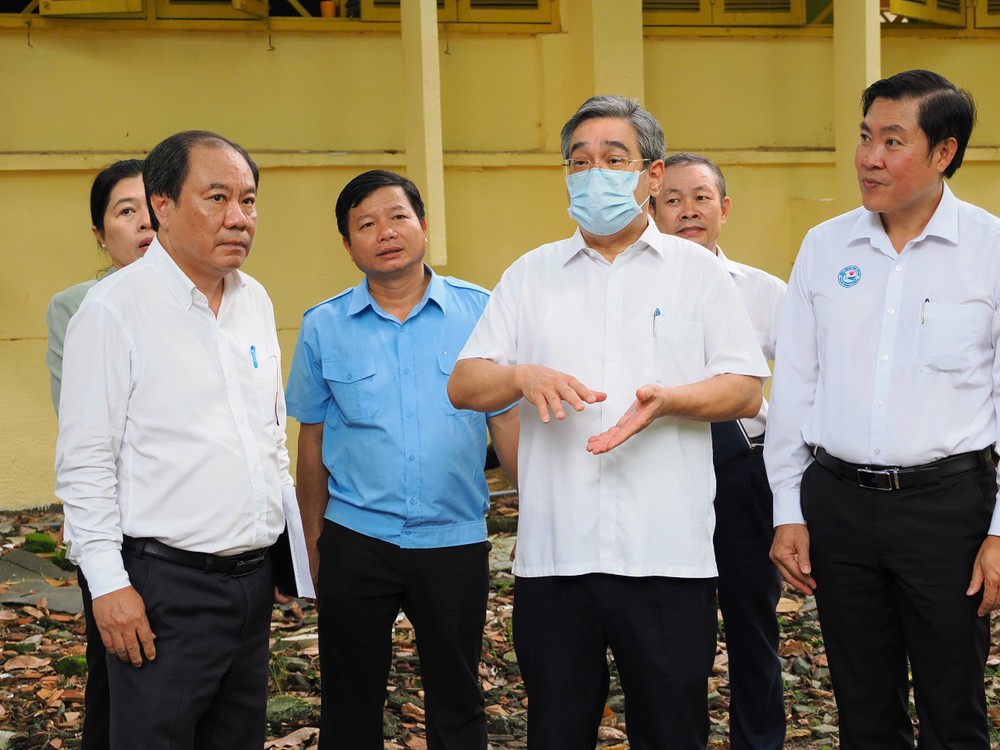
Investment must be guided by a long-term vision from the outset, with space allocated for greenery, landscaping, and environmental quality, while progressively meeting international standards, Mr. Nguyen Phuoc Loc said.
Alongside infrastructure expansion, hospitals must identify their competitive strengths and prioritize specialized services, advanced procedures and emerging medical techniques. Their development plans should complement those of other hospitals in the area, filling gaps in service provision rather than duplicating existing capacity, Mr. Nguyen Phuoc Loc said.
He identified cardiology, stroke treatment, obstetrics and pediatrics as areas requiring attention, while calling for a comprehensive approach to women's healthcare. Traditional medicine, geriatrics, rehabilitation and physical therapy should also be considered for further development.
Greater coordination between hospitals and local health stations is essential, as is the use of data to improve management and organize clinical services.
"A hospital's capacity must help strengthen healthcare at the grassroots level, enabling more residents to receive medical care within their local communities," Mr. Nguyen Phuoc Loc said.
On land-related procedures, he urged relevant agencies to review the legal basis of every proposal thoroughly and ensure compliance with all required processes from the outset. Authorities must also determine appropriate investment models, assess available resources and develop viable financial plans.
Crucially, the relocation of departments and construction work must not disrupt medical services.
Thu Duc Hospital must proactively prepare its workforce through training, recruitment and retention, drawing on its existing expertise and resources to translate its development objectives into feasible plans, Mr. Nguyen Phuoc Loc said.
Ultimately, the success of investment must be measured by improvements in service quality, treatment conditions, and residents' access to healthcare, he emphasized.
)