From Sa Dec Flower Village in Dong Thap Province to the ornamental hubs of Cho Lach, the production cycle has entered its most decisive phase, where every pot of flowers carries the hope of a prosperous Lunar New Year.
Sa Dec at peak Tet flower season
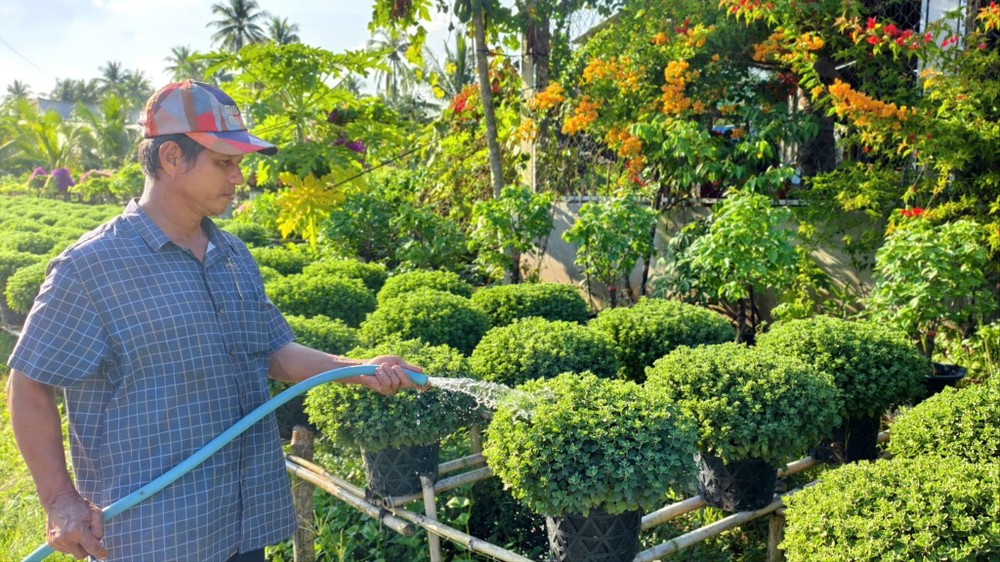
In Sa Dec, the country’s largest flower-growing center, the sense of urgency is palpable from dawn to dusk. Along riverbanks and narrow lanes leading into garden plots, traffic flows nonstop as growers tend to their crops. Rows of chrysanthemums, marigolds, cockscombs, roses, and petunias are now perfectly shaped, buds swelling in unison as they await their moment to bloom.
With nearly 1,000 hectares under cultivation, more than 4,000 farming households, and some 2,000 varieties of flowers and ornamental plants, Sa Dec is regarded as one of Vietnam’s most important floriculture hubs. The sector generates over VND3.3 trillion annually, forming a key pillar of the local agricultural economy. For the 2026 Lunar New Year, growers expect to supply around 1.1–1.2 million flower baskets to markets nationwide.
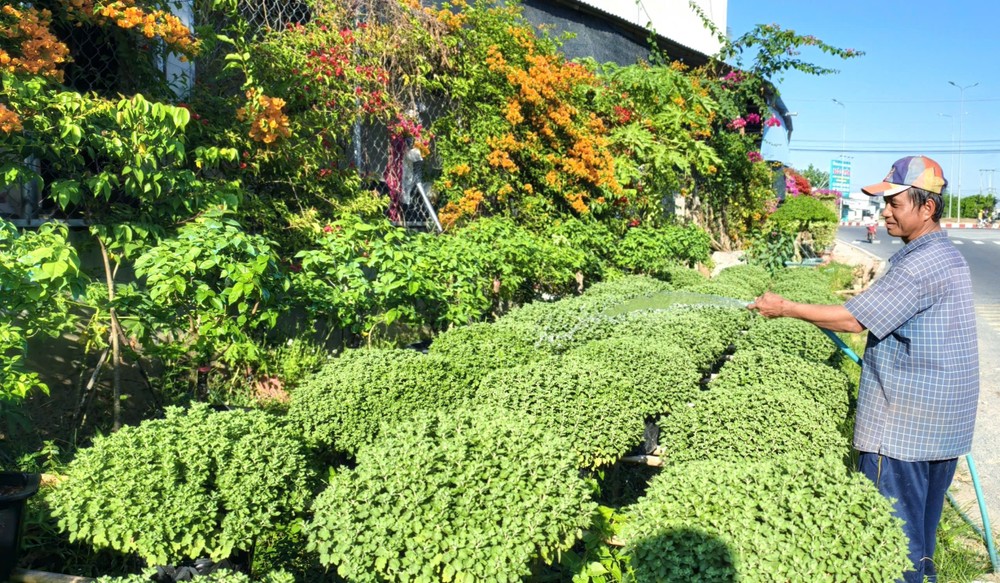
Along the Tien River, veteran flower grower Doan Huu Nhieu, who has spent more than three decades in the trade, is carefully inspecting each batch of plants. This season, his family introduced more than 100 new flower varieties.
“Weather conditions have not been ideal — heavy rains and high tides affected some varieties, especially multicolored Madagascar periwinkle,” he said. “But Tet flowers are all about timing. With proper technical adjustments, losses have been largely avoided.”
For flower growers, the weeks leading up to Tet are the most stressful of the year. Flowers command value only within a narrow window; blooming too early or too late by just a few days can slash prices or render the crop unsellable. As a result, every step — from watering and fertilizing to light control — is meticulously calculated.
At Tan An Ornamental Cooperative, more than 30 households are tending over 200,000 flower baskets. According to Dang Quang Giau, Head of Tan An Ornamental Cooperative, unseasonal rains and tidal flooding have driven up production costs this year.
Mr. Le Ha Luan, Director of Dong Thap’s Department of Agriculture and Environment, said ornamental plants are a key component of the province’s agricultural restructuring strategy. “For the 2026 Tet season, we are not encouraging rapid expansion of acreage but focusing on quality control — from seedlings and cultivation processes to the use of plant protection products,” he said.
The province has also promoted the sale of ornamental products through its e-commerce platforms, allowing farmers to connect directly with consumers and reduce dependence on middlemen.
Dong Thap Vice Chairman Huynh Minh Tuan stressed the importance of avoiding the familiar cycle of “bumper harvests but falling prices.” “Each Sa Dec flower basket is not only an agricultural product but also a tourism offering, generating higher added value for growers,” he said.
A race against time for yellow apricot blossoms and zodiac plants
While Sa Dec is known for short-cycle potted flowers, Cho Lach — often dubbed the ornamental capital of the Mekong Delta — is renowned for yellow apricot trees, bonsai, and shaped ornamental plants. These days, along inter-communal roads in Phu Phung, Vinh Thanh, and Hung Khanh Trung, thousands of yellow apricot trees have been pruned, wired, and prepared for delivery under pre-arranged orders.
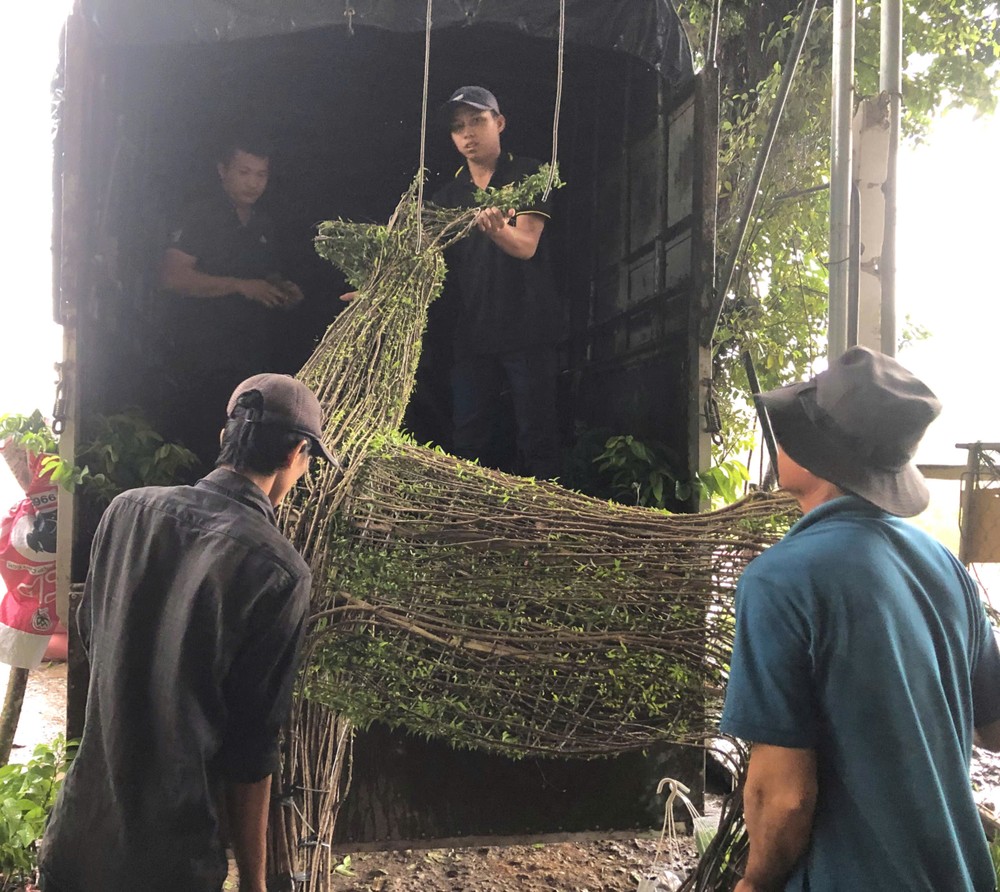
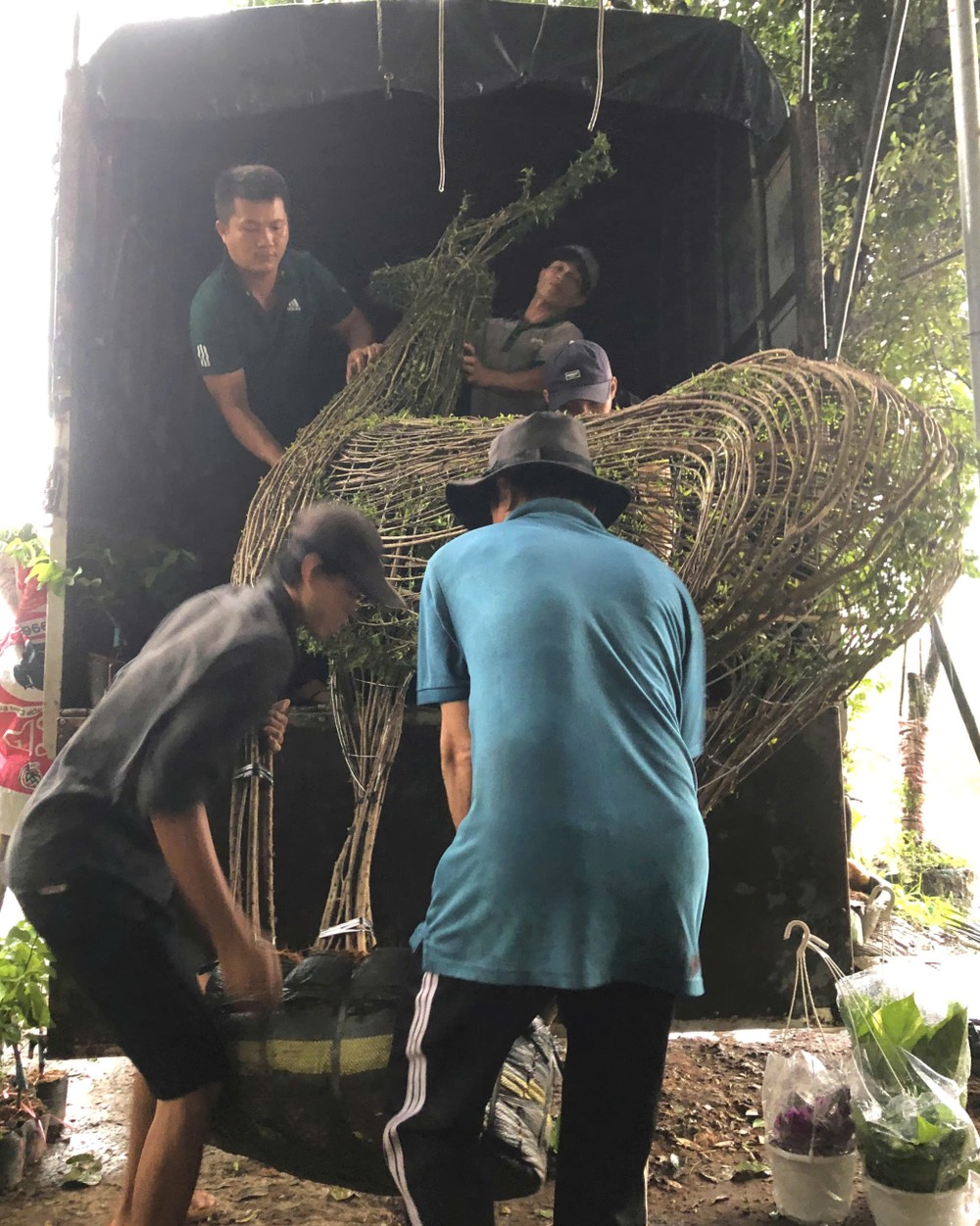
In Hung Khanh Trung Commune, artisan Nguyen Thi Thiem is racing to complete zodiac-shaped creations for the Year of the Horse. Beneath the shade of Malayan banyan trees, steel frames shaped like horses are being covered with lush green foliage. She said demand has softened this year, particularly from Cambodia, once a major market. Still, her workshop has delivered about 20 horse-shaped ornaments to clients in Hanoi and exported others to Singapore, with prices ranging from VND2 million to VND20 million depending on size and detail.
Nearby, in Tan Tay yellow apricot village in Tay Ninh Province — one of Southern Vietnam’s largest yellow apricot-growing areas with over 400 hectares — rows of trees stretch to the horizon. Farmers are now in the most nerve-racking phase of the season, pruning branches, shaping canopies, and monitoring buds.
According to Nguyen Van Hoang, Head of the Tan Tay yellow apricot village, recent floods put 10–15 percent of the orchards at risk of early blooming. Prices for four-year-old trees currently hover at VND1.2–1.5 million each, about half of peak levels, though many growers have still secured contracts for hundreds of trees.
Mr. Tran Huu Nghi, Vice Chairman of Cho Lach Commune, said the locality expects to supply more than 2.5 million ornamental products for Tet 2026. Chrysanthemums remain the flagship product, accounting for up to 1.5 million pots, followed by roughly 500,000 yellow apricot trees and a range of bougainvillea, water jasmine, and bonsai varieties. With consumer demand showing signs of caution, many growers have proactively turned to social media and online sales to lock in orders early and reduce post-Tet inventory risks.