As stored rainwater supplies near depletion and many wells begin to run dry, daily life for residents has become increasingly difficult. In response, local authorities and water supply agencies have rolled out a range of coordinated measures to mitigate the impact.
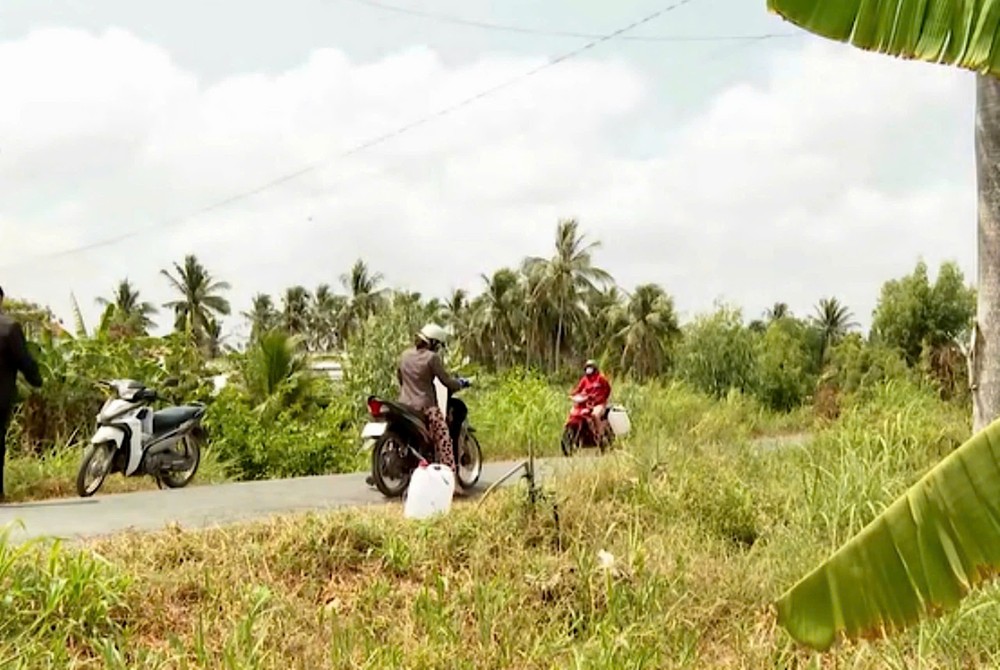
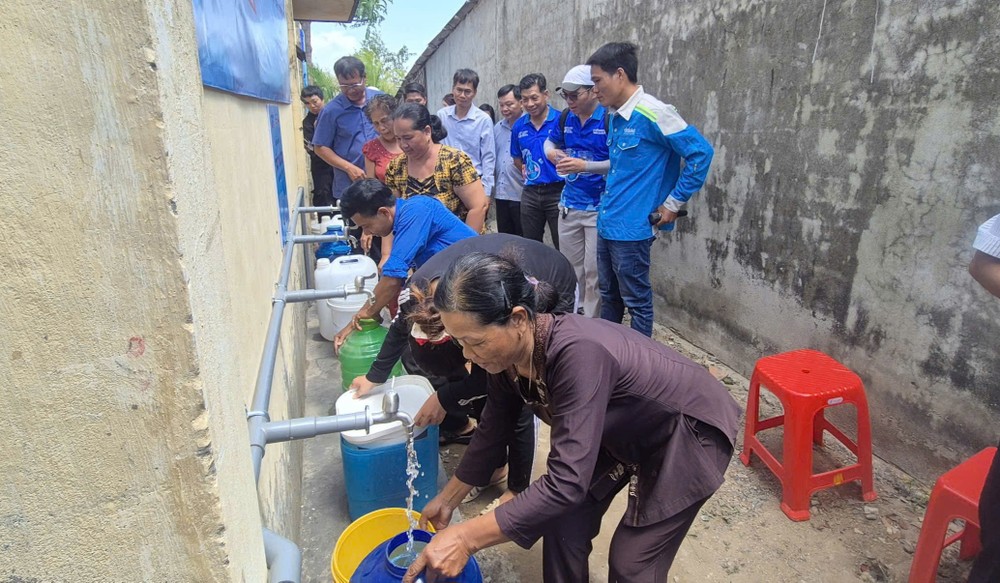
In Dong Thap, Mr. Pham Thanh Tam, Deputy Director of Tien Giang Water Supply One Member Co., Ltd., said the company has activated 16 backup drilled wells. The additional water is being regulated and pumped into freshwater reservoirs before being distributed to stations and treatment plants, helping boost pressure in downstream areas and locations at high risk of shortages. The company has also worked with Tan Hoa Commune authorities to install more than a dozen public water access points in coastal and out-of-dyke areas where pipeline infrastructure has yet to reach, ensuring residents have access to domestic water.
Nguyen Thi Lan, a resident of Tan Hoa Commune, said locals had previously relied on stored rainwater or water from rivers and canals for daily use. However, with reserves exhausted and saltwater intrusion intensifying, the installation of public taps has been widely welcomed. “People no longer have to travel long distances or queue to buy water at high prices,” she said.
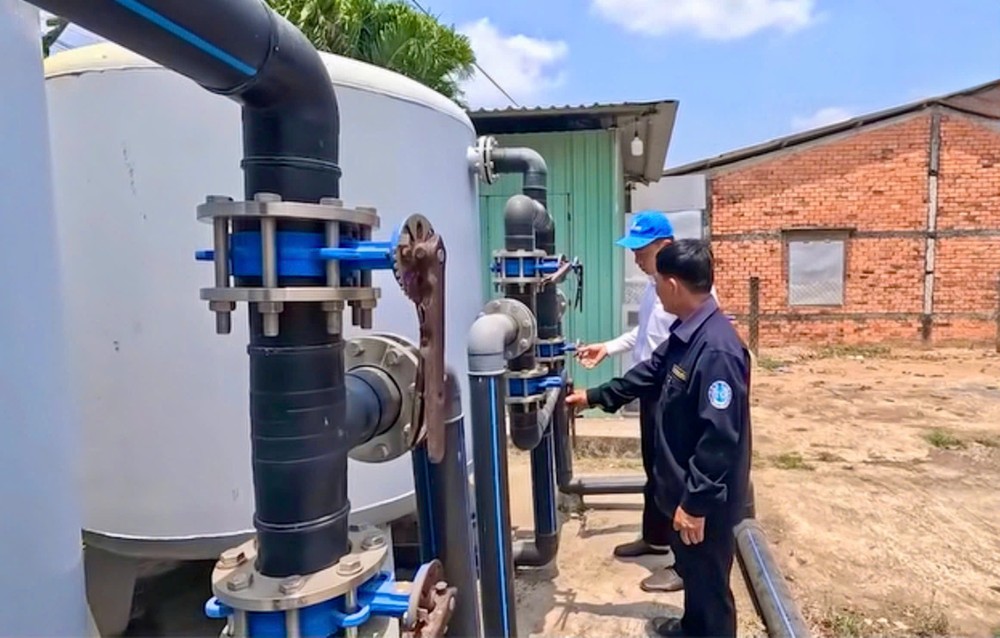
According to meteorological and hydrological forecasts, saltwater intrusion in Dong Thap may persist until the end of May. Mr. Vo Trung Dong, Vice Chairman of Tan Hoa Commune People’s Committee, said local authorities are stepping up efforts to encourage water conservation and prevent waste, while closely monitoring supply sources to ensure all households—particularly in remote areas—have access to clean water.
In Ca Mau, water shortages have disrupted daily life for hundreds of households in remote communes, including Nguyen Phich, U Minh, and Bien Bach. Vo Thi Tho, a resident of Thanh Tung Hamlet in Bien Bach Commune, said water flow at her home is extremely weak due to the distance from treatment plants. “There is no water during the day, and at night it comes intermittently,” she said, adding that family members take turns waiting for water, which is only sufficient for cooking and drinking.
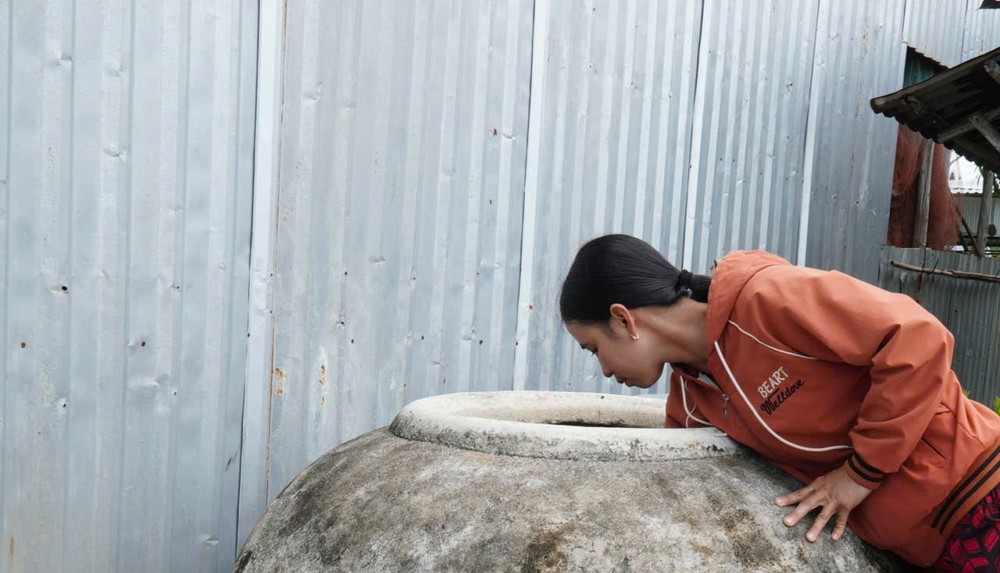
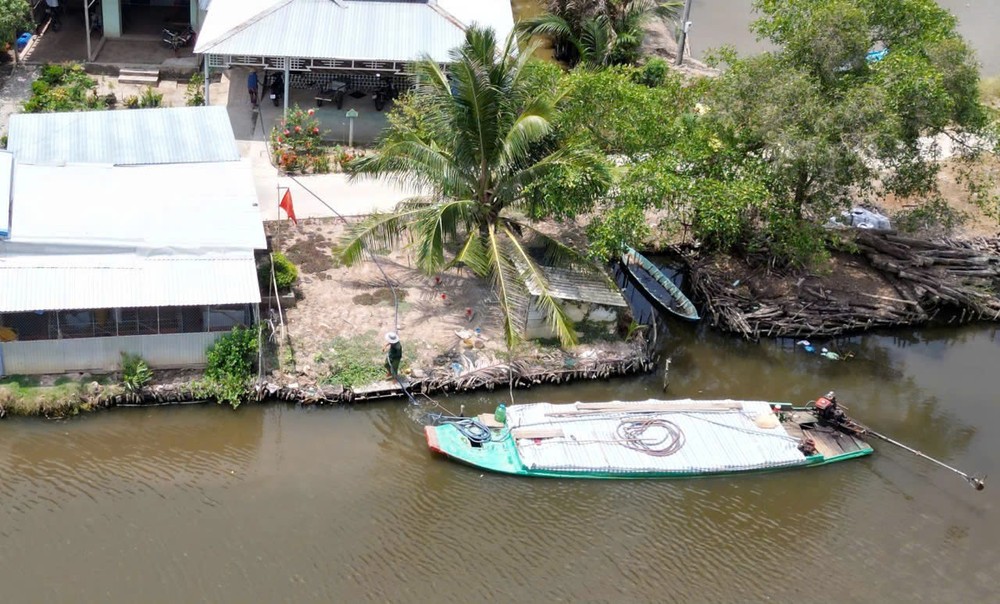
Local authorities in Bien Bach Commune estimate that around 120 households lack a stable domestic water source. Mr. Le Van Day, Vice Chairman of the People’s Committee of Bien Bach Commune, said that since early March 2026, the locality has coordinated with a neighboring commune in An Giang Province to connect auxiliary pipelines. However, this remains a temporary solution, benefiting only about 60 households. The rest must purchase water from mobile vendors at prices of around VND40,000 per cubic meter.
Addressing the situation, Ca Mau provincial Chairman Lu Quang Ngoi has directed the Department of Agriculture and Environment to urgently review and report on the causes of the shortages and propose solutions. He also called for a comprehensive assessment of rural water supply across the province to ensure no residents are left without access to clean water, particularly during the 2026 dry season.
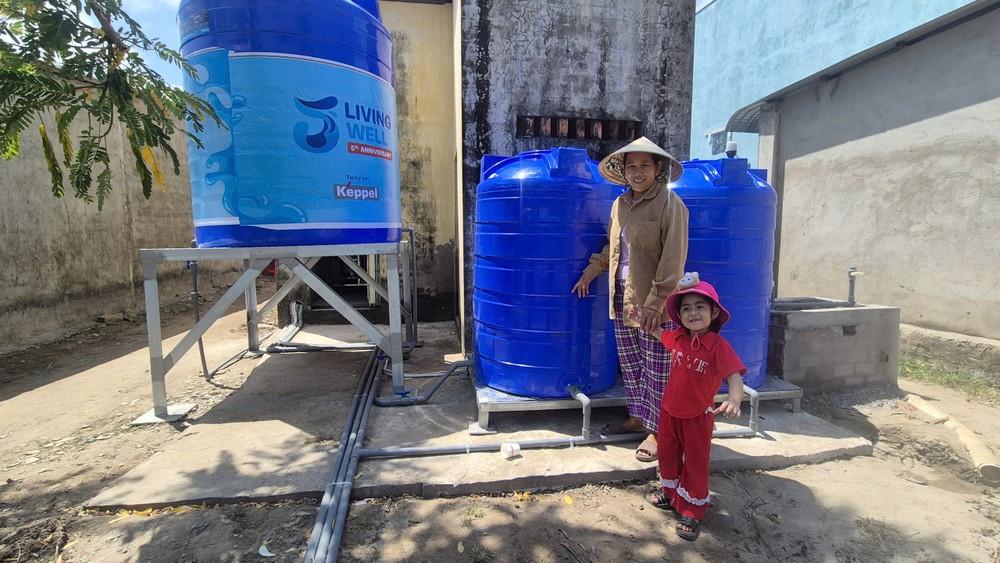
In Can Tho, Mr. Ngo Thai Chan, Director of the Department of Agriculture and Environment of Can Tho City, said the city has invested in 37 free clean water supply points, primarily in coastal areas. Each station is equipped with storage tanks exceeding 10,000 liters and automated pumping systems to ensure a stable supply. For hard-to-reach areas, local authorities have mobilized resources to transport water directly to households, prioritizing vulnerable groups and disadvantaged families.