"Hanoi accelerates development of electric vehicle charging infrastructure. (Photo: SGGP)")
The municipal authorities are finalizing the charging station infrastructure and simultaneously promoting the deployment of small-scale battery-swapping cabinets in suitable public spaces. This approach aims to enhance convenience for residents, reduce waiting times, and encourage the transition to electric vehicles.
Speaking to the press on the roadmap and implementation plan, Mr. Dao Viet Long, Deputy Director of the Hanoi Department of Construction, stated that in line with directives from the Hanoi People’s Committee, relevant municipal departments and agencies are actively formulating a comprehensive proposal on low-emission zones within Ring Road 1.
The proposed scheme will clearly define the scope and applicable entities, establish a detailed implementation roadmap, and set out technical and management solutions tailored to the city’s practical conditions.
To implement the scheme, the city is striving to maximize the number of green buses operating within Ring Road 1 ahead of the pilot phase, with priority given to routes directly serving the designated trial areas. At the same time, additional public bicycle stations will be installed to address connectivity gaps, while plans are under consideration to introduce small-sized electric bus routes suitable for the narrow streets and alleys within the inner-city zone.
The Hanoi Department of Construction is also formulating plans to establish parking facilities at gateway locations bordering the pilot areas, enabling residents to park their private vehicles and transition to public transport. An initial review has identified more than 200 potential sites within Ring Road 1, with the assessment process still ongoing.
Relevant authorities are finalizing the development of charging stations and battery-swapping cabinets, while also establishing a regulatory framework on fire prevention and firefighting for charging facilities located in basement areas of apartment complexes.
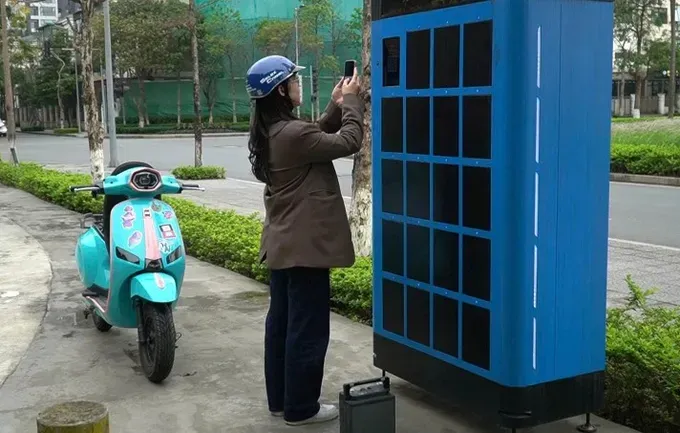
A key focus is the formulation of plans to prioritize the deployment of compact battery-swapping cabinets in suitable public spaces, enabling residents to replace electric vehicle batteries within just 2–3 minutes. This solution is expected to simultaneously address fire safety concerns, particularly in densely populated areas such as the Old Quarter and aging collective housing complexes.
A representative of the Hanoi Department of Construction emphasized that the pilot application will focus on controlling emissions from cars, motorcycles, and motorbikes in a phased manner, with clearly specified timelines, geographic scope, and applicable subjects. The initiative will not be implemented simultaneously across the entirety of Ring Road 1.
In addition, the department is coordinating with relevant agencies to finalize a draft resolution on policies to support the transition to clean-energy vehicles. The draft will be submitted to the Hanoi People’s Council for consideration, with a view to ensuring that residents—particularly low-income groups—are not disadvantaged during the transition to greener modes of transport.
According to Resolution No. 57/2025/NQ-HDND issued by the Hanoi People’s Council on November 26, 2025, the pilot low-emission zones will be implemented in several areas within Ring Road 1, covering nine wards, including Hai Ba Trung, Cua Nam, Hoan Kiem, O Cho Dua, Van Mieu Quoc Tu Giam (Temple of Literature), Ba Dinh, Giang Vo, Ngoc Ha, and Tay Ho.
Within these zones, Hanoi will permit zero-emission vehicles, environmentally friendly motor vehicles, and those using clean or green energy, as well as priority vehicles and others granted circulation permits by competent authorities in accordance with legal regulations.
The city will prohibit gasoline- and diesel-powered motorbikes operating ride-hailing or transport services via app-based platforms from circulating within the low-emission zones. In addition, such vehicles will be subject to restrictions or bans from entering these areas based on specific timeframes, periods, or designated sub-zones.