In an interview with Sai Gon Giai Phong (SGGP) Newspaper following the agency's official launch, Deputy Secretary of the Ho Chi Minh City Party Committee Van Thi Bach Tuyet said the restructuring was carried out in line with the Party and central government's policies on streamlining the press system and improving organizational efficiency.
The ultimate goal is to build a flagship media institution for the city, one that possesses the capacity to effectively fulfill its political and public-service mission in a new stage of development, she said.

As Ho Chi Minh City expands its development space and faces growing economic, social and governance demands, the role of journalism has become increasingly important. The city, she noted, requires a modern media organization capable of producing high-quality content across multiple platforms, reflecting social realities in a timely manner and effectively communicating Party policies, State laws and the city's development agenda to the public.
According to her, a stronger media sector serves not only to inform the public but also to cultivate social consensus, deepen public trust and mobilize collective efforts toward the city's continued growth.
The new agency is expected to build upon the achievements, expertise and professional reputation cultivated by Ho Chi Minh City's media organizations over many years, while gaining greater capacity to innovate and grow in the future.
Preserving core values in a new organizational model
Among the most pressing concerns has been the fate of trusted media brands and the unique identities they have built over decades. Deputy Secretary of the Ho Chi Minh City Party Committee Van Thi Bach Tuyet said city leaders were acutely aware of these concerns and took them into account throughout the planning process.
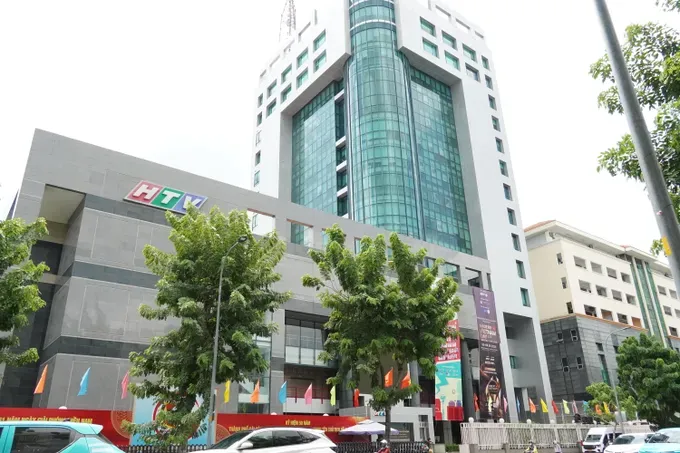
According to her, every media agency has developed its own heritage, professional identity and dedicated audience over the years. The goal of the restructuring is not to erase those strengths, but to preserve and enhance them through a more effective organizational model. The city's approach is to restructure for better development and to adapt to the changing landscape of journalism, public expectations and the practical needs of both the country and the city.
Authorities have instructed the new agency to preserve and maximize existing strengths, including experienced personnel, professional expertise, information networks, content-production capabilities, operational know-how and established journalistic products that have earned public trust.
More importantly, all journalistic activities must continue to serve the interests of the people and contribute to the city's development, she stressed.
Ms. Van Thi Bach Tuyet expressed confidence that with stronger coordination, improved working conditions and more concentrated resources, the best values of Ho Chi Minh City's journalism would continue to thrive.
Trusted media brands will have greater opportunities to innovate, enhance content quality and remain close companions to the city's Party organization, government and residents, she added.
Opportunity amid transition
Recognizing that organizational changes inevitably create uncertainty among journalists, editors and employees, the Deputy Secretary of the Ho Chi Minh City Party Committee said she understood the concerns many media professionals may be experiencing during the transition.
However, Deputy Secretary of the Ho Chi Minh City Party Committee Van Thi Bach Tuyet described the restructuring as an opportunity for the city's journalism sector to adapt more effectively to profound changes in technology, media consumption habits and the broader information environment.
Every transition brings challenges, but it also opens the door to new opportunities, she said.
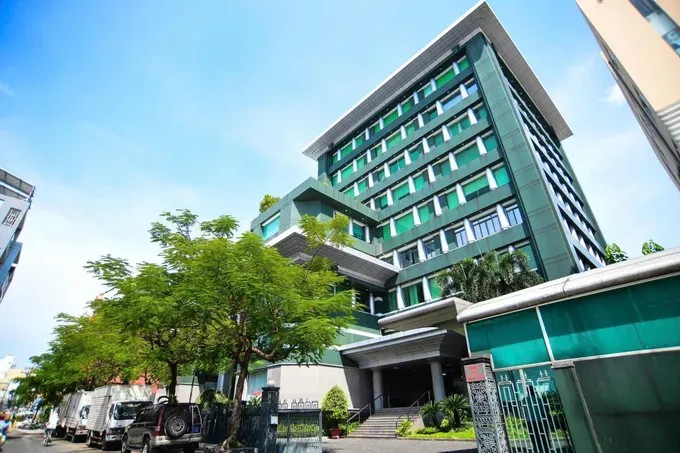
The city has identified human resources as the most critical factor in the reform process. Alongside streamlining the organizational structure, authorities have instructed the new agency to reorganize its affiliated media units, retain as many employees as possible who wish to continue working and ensure staffing arrangements are aligned with operational needs.
Municipal agencies and public institutions have also been informed about available personnel so that qualified journalists and employees may be considered for recruitment where vacancies exist. Meanwhile, those leaving their positions will receive all benefits and entitlements in accordance with regulations.
Drawing on the city's strong journalistic tradition, professional expertise and enduring passion for the profession, Tuyet said she believes the Ho Chi Minh City Press and Radio-Television will quickly stabilize its operations and emerge as a dynamic, influential media institution worthy of the trust placed in it by the city's leadership and people.