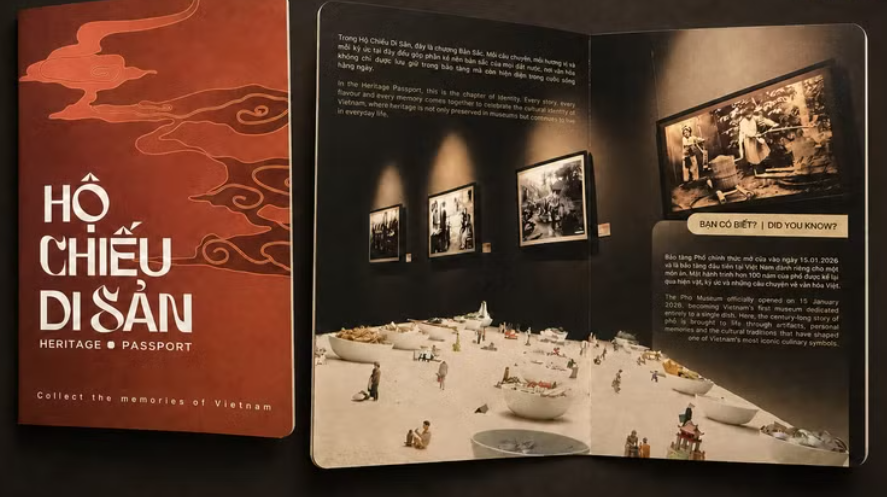
The heritage passport has been launched in Ho Chi Minh City, offering a new approach to exploring museums, artefacts, and stories of history and culture.
The passport has been designed as an experiential product, with each destination representing a different chapter in the exploration of the city’s cultural, historical, and culinary heritage.
A key feature of the passport is its use of near-field communication (NFC) technology, allowing visitors to access information integrated into their journey with a simple tap. They can learn about destinations, artefacts, and historical stories while recording their experiences at each stop.
The approach aims to use technology as a tool to support heritage storytelling without altering the intrinsic values of heritage. It also gives museums and attractions new ways to engage with the public, particularly younger visitors who are familiar with digital platforms and experiences.
The initiative seeks to develop approaches to heritage that better meet the increasingly diverse needs of the public while strengthening connections between museums and the tourism, technology, and communications sectors.
Le Nhat Thanh, Deputy General Director of Vietnam Tourism Destination JSC and Director of the Pho Museum, said the heritage passport journey comprises three chapters.
Each chapter is centered on an iconic story: resilience through the history of struggle at the War Remnants Museum; the transformation of the city over more than three centuries at the Museum of Ho Chi Minh City; and the familiar cultural identity of Vietnamese cuisine at the Pho Museum.
The three destinations represent different perspectives of Ho Chi Minh City while helping visitors gain deeper insights into the values that have shaped Vietnamese people and culture. Through direct experiences at the museums, visitors can explore, appreciate, and preserve personal memories of the city’s heritage.
NFC technology allows visitors to continue exploring in a digital space after leaving a destination. With a single tap, they can access additional information, reconnect with their journey, and preserve or personalize their experiences.
At the launch event on August 13, guests experienced the heritage passport journey through NFC technology, learning how to use the product and interact with connected destinations.
Through cooperation among museums, tech companies, and tourism businesses, the project aims to build an ecosystem for heritage experiences, bringing cultural values closer to the public and creating more opportunities to discover them through travel.