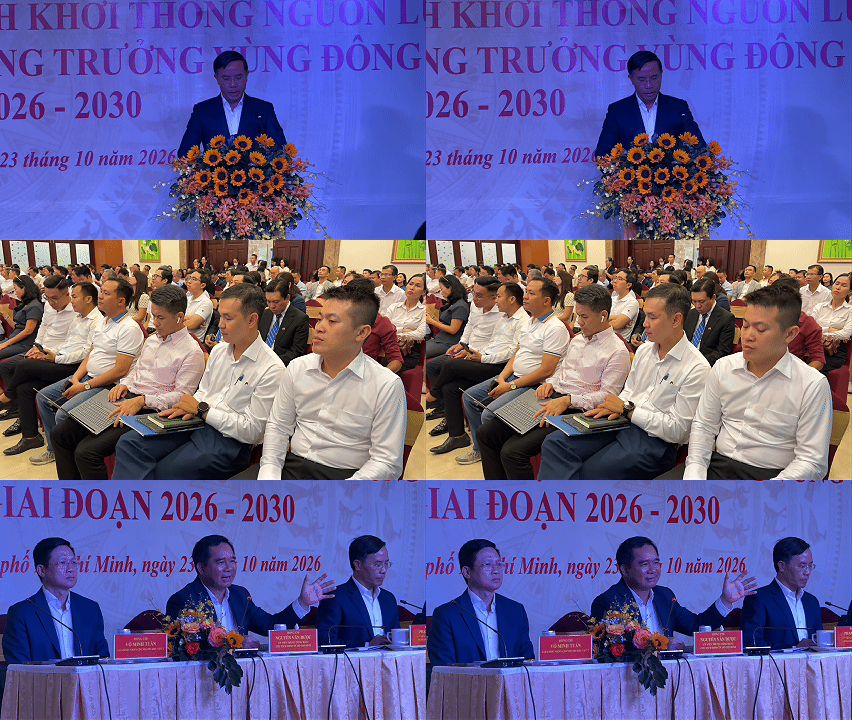

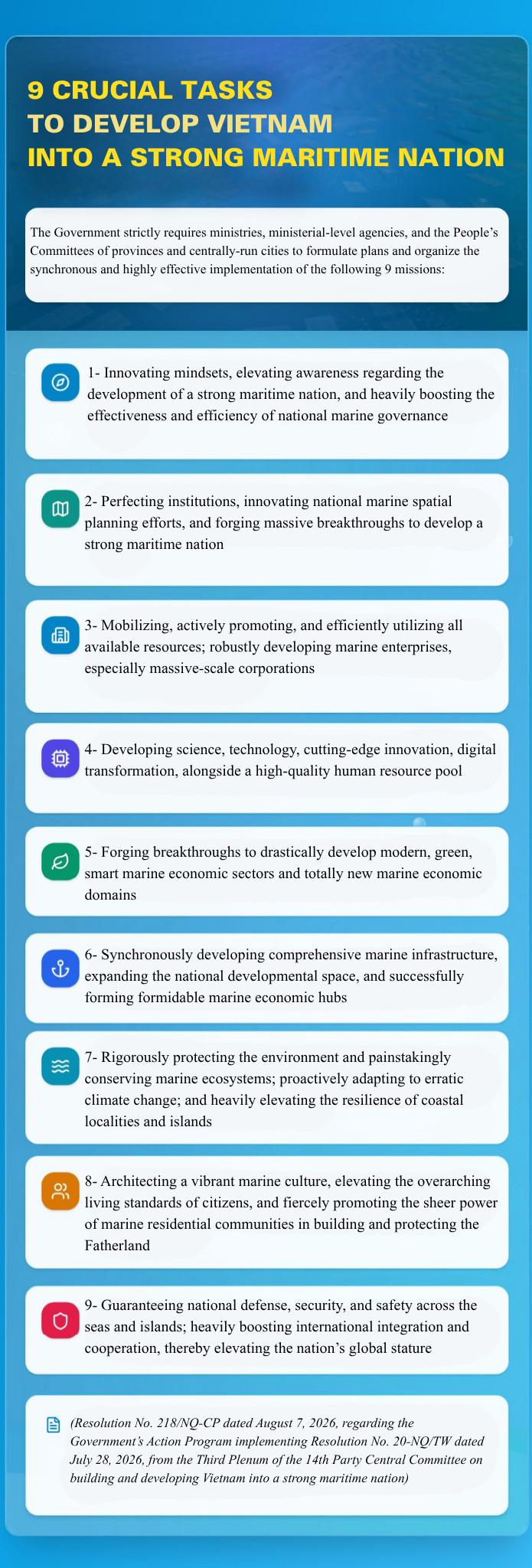
Regarding the Government's prioritized solutions in deploying Resolutions 20-NQ/TW and 218/NQ-CP to build Vietnam into a strong maritime nation, Deputy Prime Minister Ho Quoc Dung shared that Resolution 20-NQ/TW of the 3rd Plenum of the Party Central Committee undeniably unlocks a new developmental step in maritime thinking. It fundamentally shifts the paradigm from merely developing the marine economy to comprehensively building a formidable maritime nation. It pivots from purely exploiting resources toward integrated, unified governance of marine spatial zones, fostering a modern, sustainable marine space inextricably linked with national defense alongside international integration.
Consequently, the Government’s Resolution 218/NQ-CP strictly targets institutionalizing the timely implementation of these viewpoints. It concretizes the Politburo’s Action Program into specific executive mandates, ensuring clear contents, coordinating bodies, plus completion deadlines. It strategically pinpoints breakthrough tasks for the 2026-2030 period, enabling ministries, agencies and localities to proactively formulate integrated implementation plans perfectly aligned with socioeconomic and master planning programs.
A pressing issue currently faces the country is to transform maritime potentials into a developmental driving force with tangible added value. Practical reality demonstrates that marine economic development hasn’t truly exploited innate resource advantages or geoeconomic positioning. Economic sectors aren’t tightly interconnected into robust value chains, while infrastructure alongside logistics haven’t kept pace with surging demand. Spatial management still harbors undeniable inadequacies, plus ecological values remain severely underpromoted.
It’s impossible to solely prioritize traditional sectors; authorities must carefully propel technological innovation fostering novel marine industries. It’s absolutely imperative to protect ecosystems, intertwining economic growth with national defense while elevating coastal citizens’ living standards.
These macro-orientations, explicitly outlined within Resolution 20-NQ/TW, are concretized by Resolution 218/NQ-CP to forge fundamental shifts in developmental organization. Ultimately, this strategic governance propels Vietnam into a formidable maritime nation.

The Deputy Prime Minister then introduced the Government’s focus to materialize the goal of turning Vietnam into a strong maritime nation.
First, institutional and marine spatial governance breakthroughs remain the absolute prerequisite for unlocking vast resources. The Government submitted the draft Law on Marine and Island Resources and Environment (amended) to the National Assembly for late 2026 approval. Concurrently, authorities are heavily focusing on consolidating a focal agency to uniformly coordinate offshore activities.
The ultimate objective is forging an inter-sectoral governance mechanism with crystal-clear responsibilities, clarifying mechanisms for allocating and exploiting marine space. The National Marine Spatial Master Plan will be thoroughly updated in 2027, ensuring seamless connectivity between mainland and maritime zones. Setting the ambitious target of completing 100 percent of marine spatial functional zoning, this foundational bedrock delineates spaces for conservation, logistics, offshore energy, alongside tourism, drastically reducing investor risks.
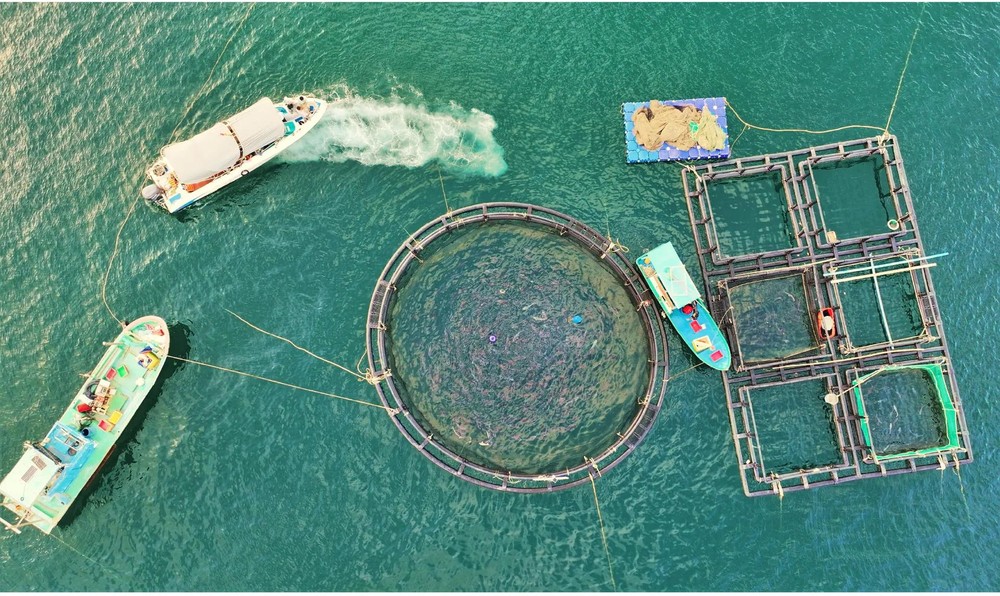
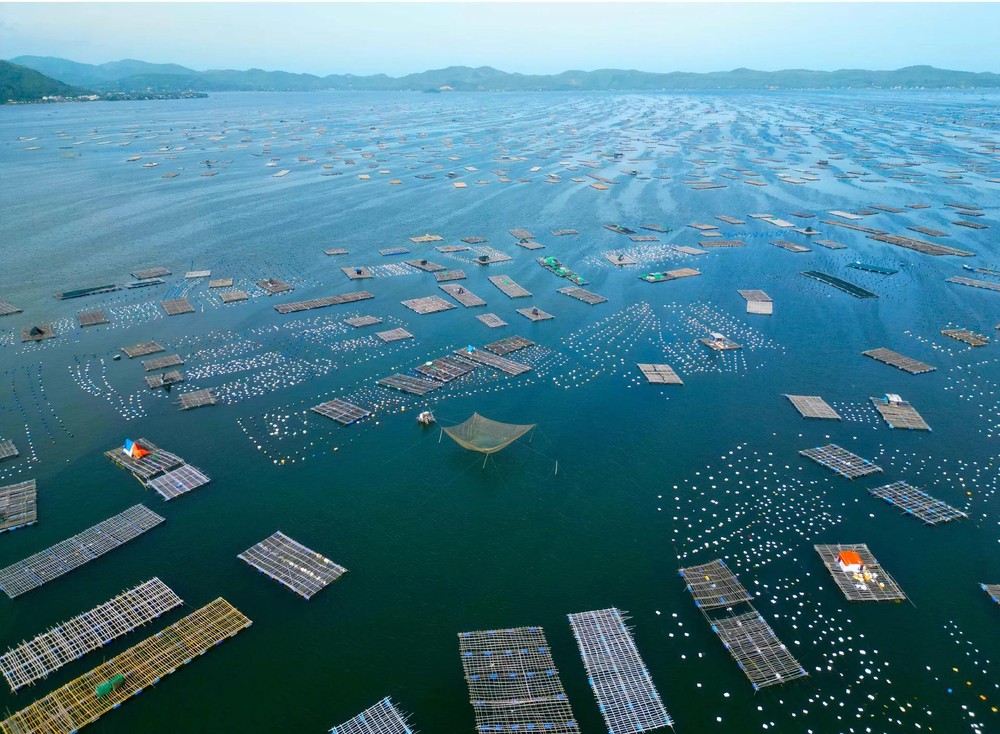
Second, it’s compulsory to reorganize developmental spaces according to hubs, corridors, and value chains, rather than scattering them. A seaport simply can’t be robust without railways, cargo sources, and maritime services backing it up. Marine aquaculture won’t generate high value if it lacks quality seeds and solid markets.
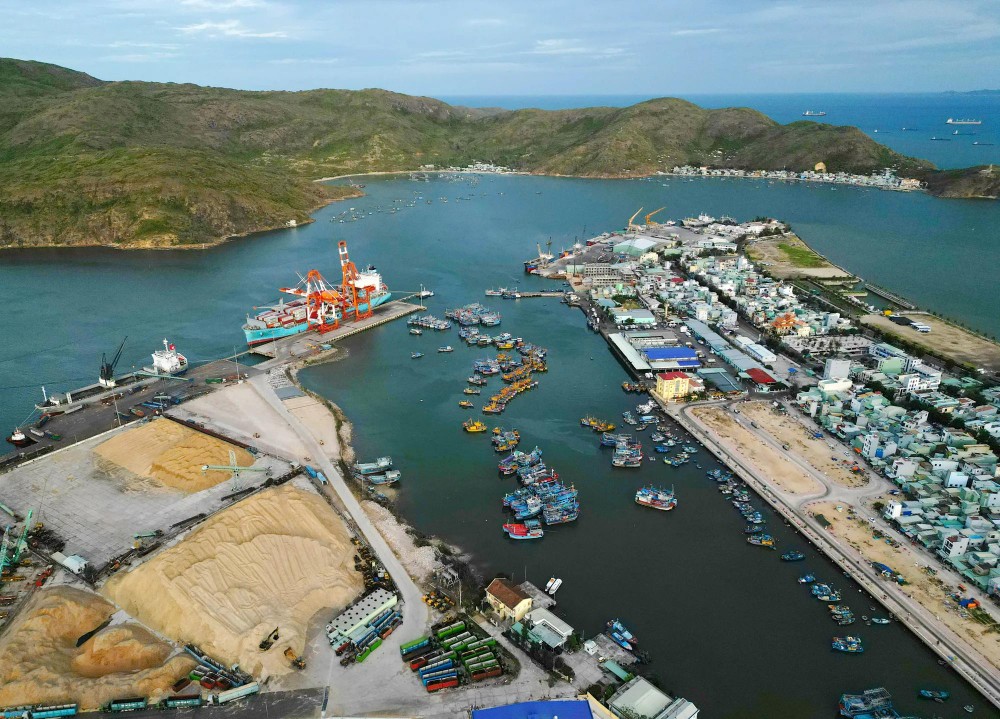
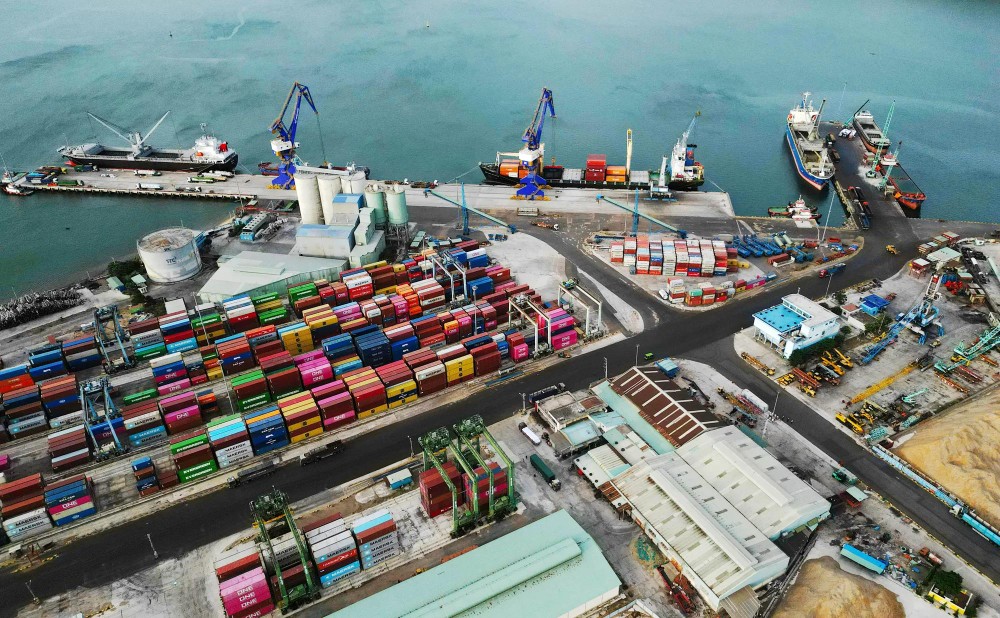
By 2030, Resolution 218/NQ-CP targets forming six formidable marine economic hubs, modern logistics centers, alongside three special economic zones. Practical reality showcases stellar models. In Dung Quat, a national petrochemical hub is gradually taking shape, integrating LNG and green hydrogen. The Hai Phong port cluster continues leveraging its gateway advantage. In HCMC, Can Gio International Transshipment Port project has been officially approved. Its orientation must seamlessly integrate with Cai Mep – Thi Vai and hinterland transport networks. Recently, deep-water ports in Cai Mep – Thi Vai successfully operationalized a joint berth, explicitly demonstrating the efficacy of sharing infrastructure.
Third, breakthroughs in infrastructure and resource mobilization must be forged. The State needs to heavily prioritize foundational, shared infrastructure boasting massive spillover effects. Public investment must play a leading role to aggressively mobilize private capital, public-private partnerships, green finance, and international resources.
Seaports must be synchronously connected with roadways, railways, inland waterways, airports, and logistics hubs. The infrastructure for offshore wind power, high-tech marine aquaculture, submarine cables, islands, and special zones must also be meticulously prepared well in advance. Vietnam’s target by 2030 is to research and develop 6 to 10 GW of offshore wind power, complete the coastal highway route as planned, and continue forming growth poles alongside industrial, logistics, energy, and innovation hubs.
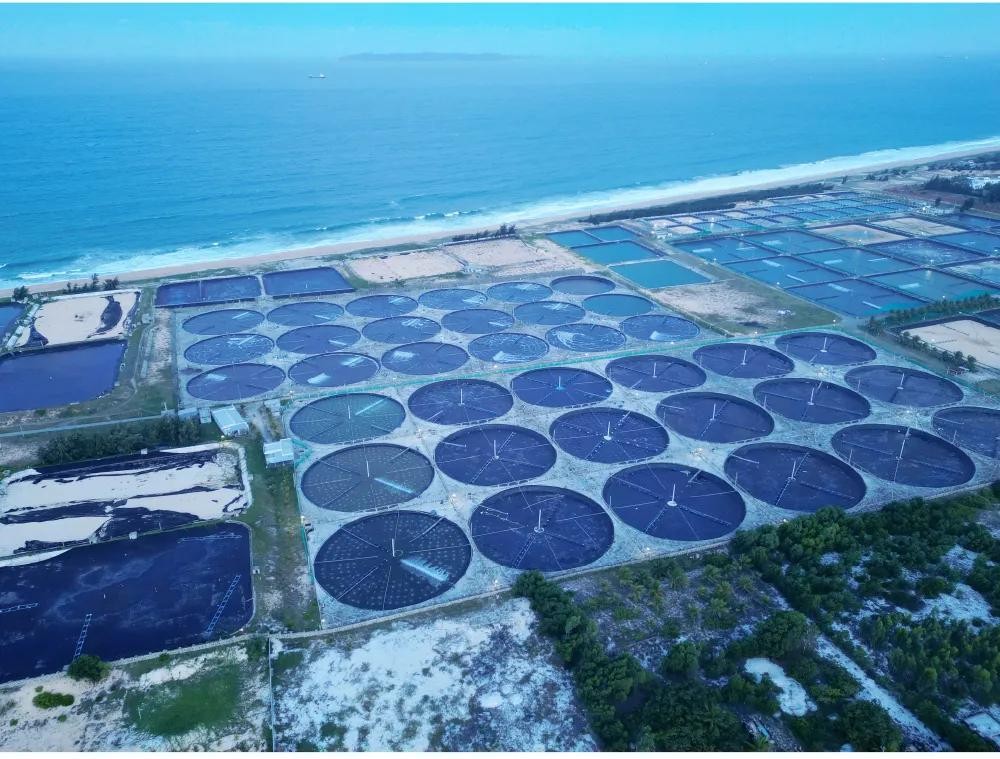
Fourth, authorities must create substantive transformations in science, innovation, and digital transformation. This inherently drives elevated productivity and the marine economy’s added value. Every tonne of seafood must generate greater value via superior traceability, while sea surfaces are utilized more efficiently through technology.
During the 2026-2027 period, the Government strictly demands integrating a robust data-sharing platform predicated on being “accurate, sufficient, clean, live, and shared.” Simultaneously, it’ll push artificial intelligence applications and smart surveillance systems, forging modern marine governance’s soft infrastructure.
Fifth, developmental programs must unequivocally serve the mandate of protecting national sovereignty and jurisdiction. It’s advisable to tightly integrate the development of seaports and digital infrastructure with the all-people national defense posture, giving heavy priorities to dual-use infrastructure alongside search and rescue capacities.
It’s imperative to guarantee absolute security for legitimate economic activities. Resolving disputes through peaceful means, strictly aligning with the 1982 UNCLOS, remains paramount. Economic development tangibly contributes to consolidating the Fatherland's defense. Conversely, robust security actively creates favorable conditions for enterprises to confidently invest long-term.
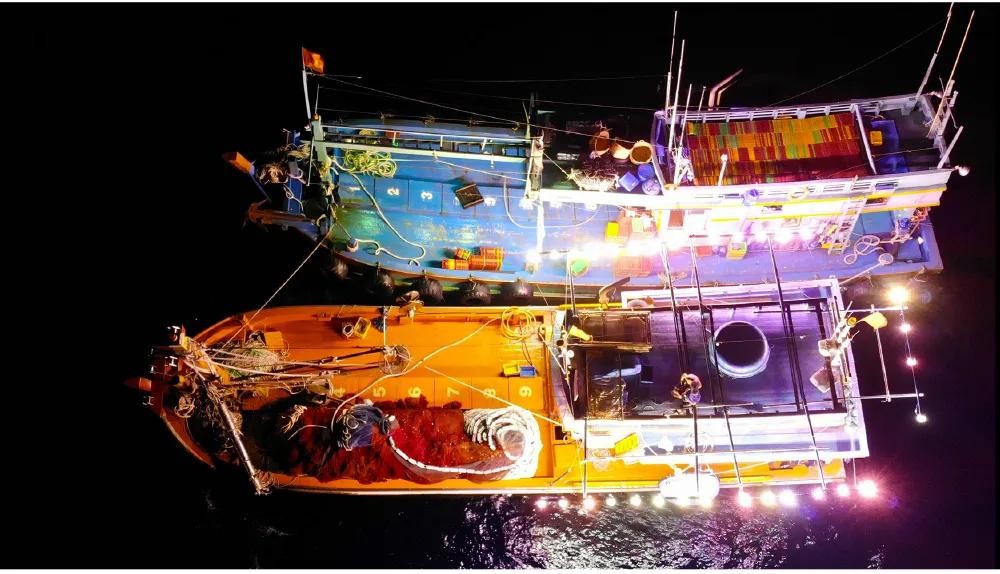
Sixth, international integration and cooperation must be amplified regarding seas and oceans. Cooperation isn’t solely to attract capital, but also to effectively access knowledge and cutting-edge technologies for deep-sea surveying, offshore energy, green seaport governance, biodiversity conservation, climate change adaptation, and human resource development. Vietnam continues to proactively and positively participate in regional and global marine governance mechanisms, firmly predicated on international law.
Seventh, marine economic development must be tightly intertwined with protecting ecosystems and marine culture. Development must be relentlessly green, ensuring people genuinely benefit. It’s simply impossible to become a strong maritime nation if fishery resources are severely depleted. Therefore, economic growth must unequivocally combat illegal, unreported, and unregulated fishing, restoring ecosystems and tightly controlling plastic waste.
Resolution 218/NQ-CP sets the ambitious target that by 2030, marine protected zones will reach at least 6 percent of the national marine area; meanwhile, coastal plastic waste will be thoroughly processed. This vividly demonstrates the viewpoint of never trading the environment for overarching growth.
Concurrently, marine culture must be viewed as a potent developmental resource. For coastal residents in Nam O Village, combining culture with services has proven transformative. “It’s entirely shifted our community’s future,” one local explained, demonstrating how seamlessly leveraging indigenous products alongside technology successfully generates novel economic value and sustainable livelihoods.
Finally, the Government explicitly demands that clear, programmatic tasks be deployed immediately without conjuring unnecessary intermediary procedures. Officials must clearly identify deliverables, timelines, resources, alongside the absolute responsibility of head figures.
By 2027, authorities plan to perfect evaluation indicators so implementation results are accurately measured and rigorously inspected. Building a formidable maritime nation remains a strategic mandate, inherently demanding synchronized involvement from the political system, businesses, and the citizenry. The country should make institutions more transparent, organize marine space much better, and drastically accelerate infrastructure alongside science and technology.
Furthermore, extending value chains and firmly maintaining national defense are unequivocally crucial. Through these synchronized efforts, Vietnam will far better leverage its coastal advantages, creating novel growth momentum and practically contributing to the nation’s goal of rapid, highly sustainable development.
Deputy Prime Minister Ho Quoc Dung shared how relevant ministries, agencies and localities are proactively deploying these strategic directives. The strict requirements stemming from Resolutions 20-NQ/TW and 218/NQ-CP are being heavily concretized across multiple levels. They’re actively reviewing legal documents, upgrading infrastructure, and formulating localized action plans.
The Government has officially assigned the Ministry of Agriculture and Environment to comprehensively track and monitor this deployment. It’s essentially ensuring these overarching policies swiftly enter practical reality, bringing substantive value to coastal communities heavily reliant on the sea.
Practical realities in localities like Dung Quat, Ly Son, and HCMC unequivocally show that effectively leveraging marine potentials must be intrinsically linked with rational spatial organization and synchronous infrastructure. Seaport development can’t succeed without robust logistics and hinterland connectivity.
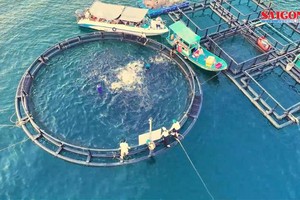
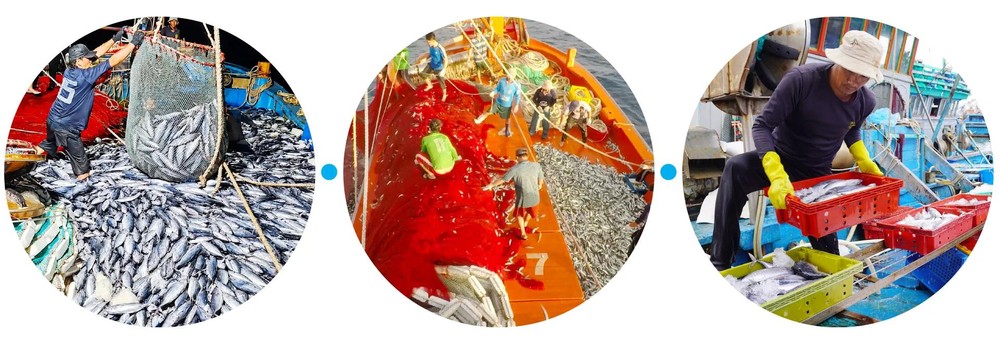
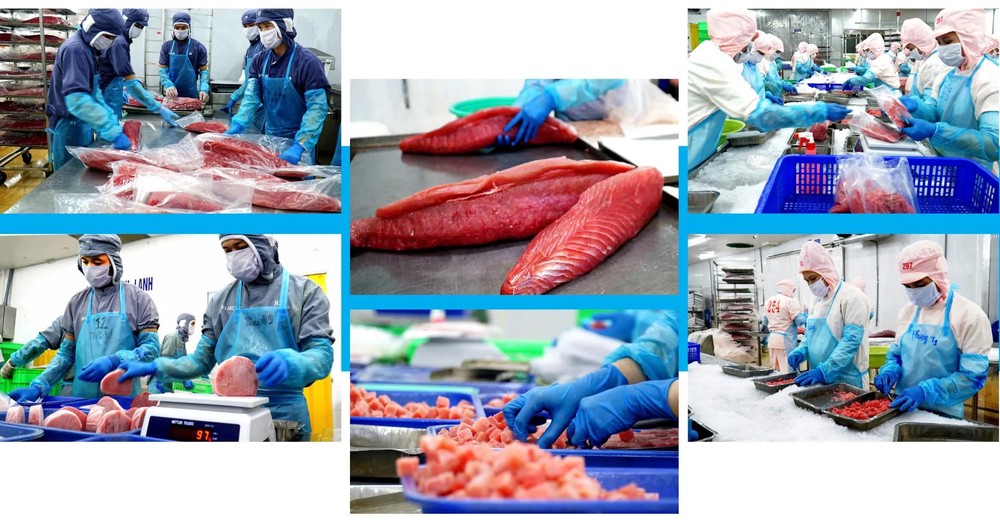
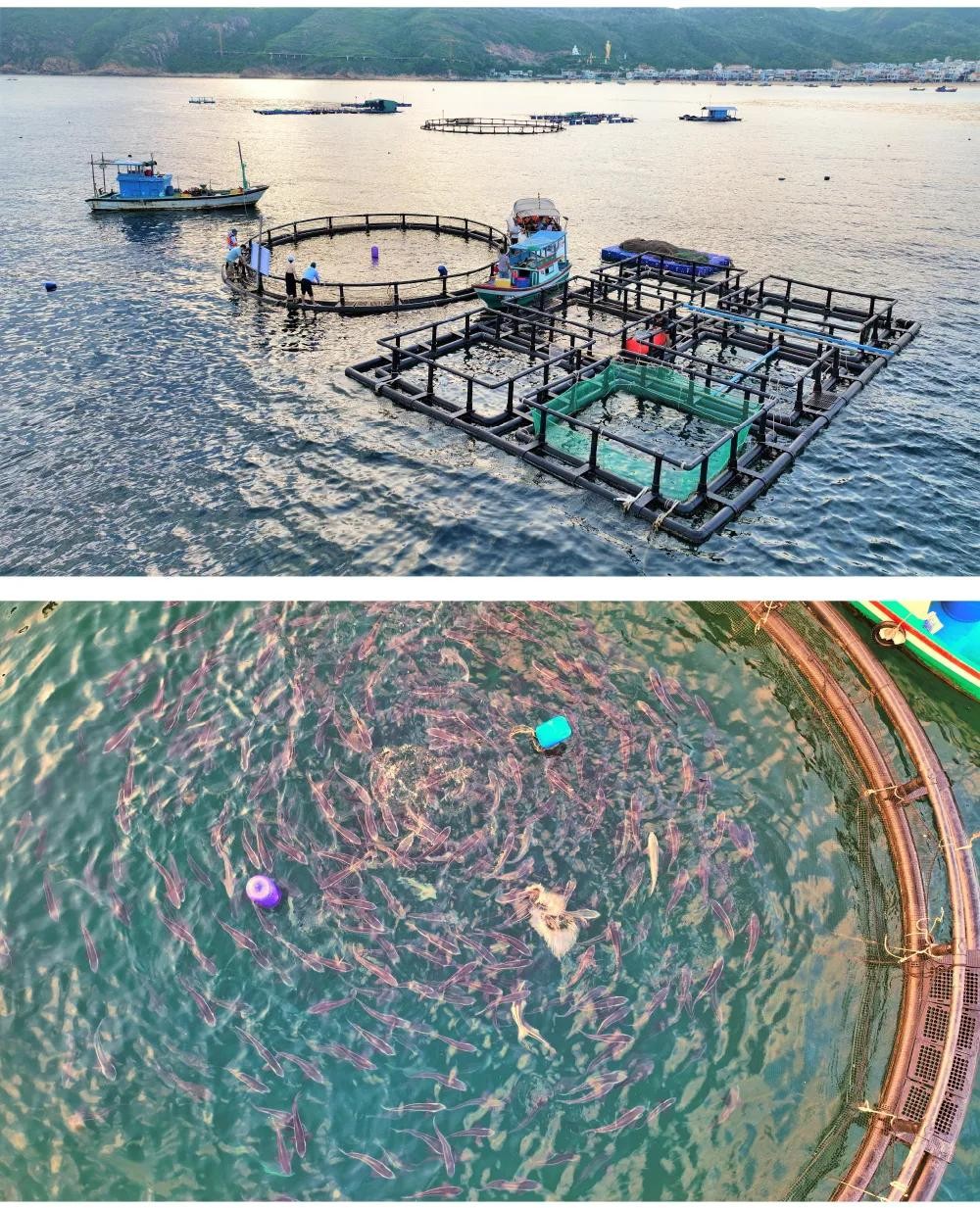
Similarly, seafood and aquaculture development must go hand in hand with deep processing, upgraded infrastructure, and cutting-edge technology. Furthermore, marine tourism needs to seamlessly blend with local heritage to genuinely forge sustainable livelihoods.
Ultimately, the sheer efficacy of marine economic development won’t just be evaluated by merely counting projects. Authorities must meticulously measure added value, competitive prowess, resource efficiency, and the practical benefits actually delivered to citizens and the broader economy.
Upon deploying these resolutions effectively, the marine economy will reportedly contribute to realizing double-digit growth targets while simultaneously ensuring absolute sustainability.
First, authorities are shaping growth from large-scale sectors possessing ample headroom. These include seaports-logistics, maritime transport, coastal industry, offshore energy, marine tourism, and high-tech aquaculture. This fundamentally contributes to realizing the ambitious target where, by 2030, coastal provinces’ total GRDP will contribute over 70 percent of the entire country’s GDP, with their average annual GRDP growth hitting over 11 percent.
Second, officials are determinedly expanding value chains to foster spillover effects. An efficiently operating deep-water port or a railway connecting a port’s hinterland doesn’t merely generate local GRDP; it slashes costs for inland goods hitting global markets. When logistics become significantly faster and cheaper, the competitive prowess of agricultural products, electronics, plus textiles universally surges. Resolution 218/NQ-CP firmly aims to drag logistics costs below 12 percent of GDP, vividly demonstrating the marine economy’s massive spillover impact on non-coastal localities.
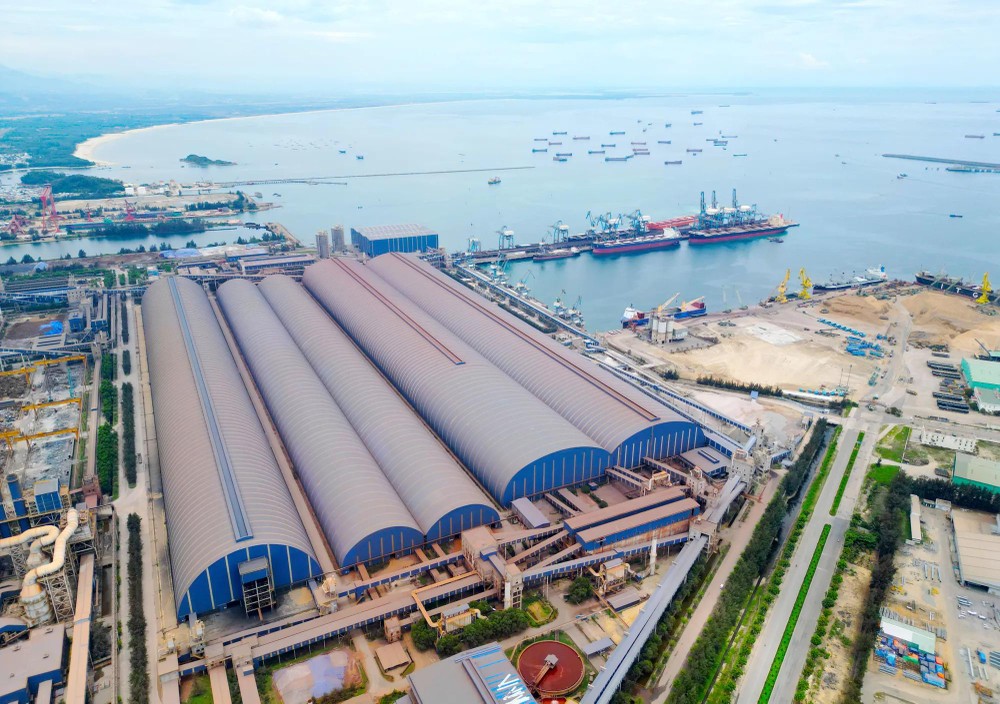
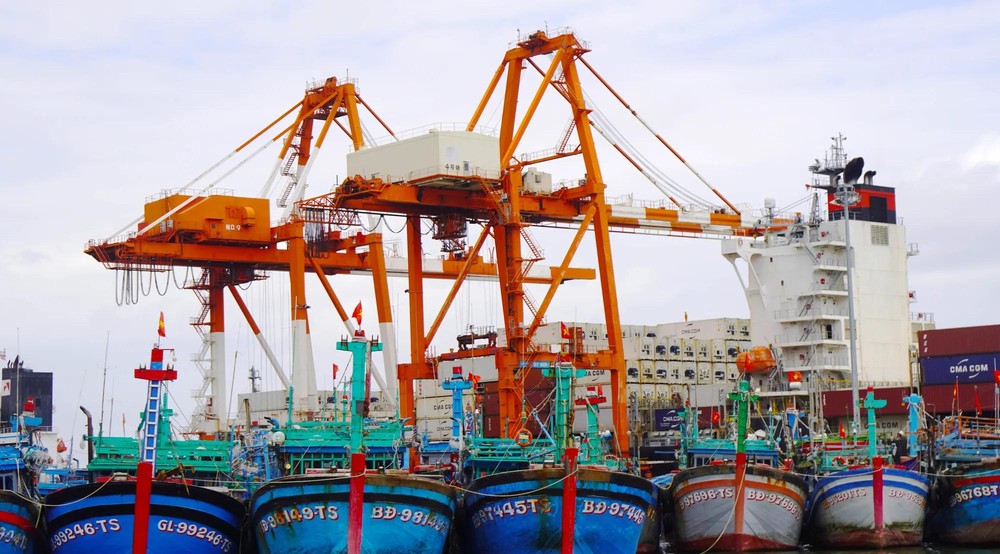
Third, the strategy unlocks novel developmental spaces geared toward efficiency. Offshore wind power doesn’t merely generate electricity; it simultaneously pulls along shipbuilding, submarine cables, plus highly skilled personnel. Industrial aquaculture actively unlocks lucrative markets for specialized equipment, digital technology, alongside robust exports. If marine tourism is smartly coupled with local heritage and international cruise ships, it’ll generate substantially higher value than merely exploiting bathing beaches. Furthermore, green hydrogen and marine pharmaceuticals are profoundly novel sectors explicitly laid out within the Action Program.
Eventually, growth depth must unequivocally be measured by productivity, citizens’ incomes, alongside ecological health. “Getting rich from the sea” doesn’t equate to extracting blindly. It’s about orchestrating space better, injecting science, processing deeper, plus painstakingly preserving natural capital. Vietnam must ensure people genuinely have sustainable livelihoods intrinsically tied to the sea. The ocean must morph into a novel growth engine, elevating national competitive capacity. Rapid yet sustainable development must be guaranteed, preserving marine resources for future generations, thereby gradually transforming Vietnam into a formidable maritime nation.
Content: Duc Hien, Phuc Hau, Do Thien
Design: Minh Thu
Translation: Thanh Tam