According to the Ho Chi Minh City Business Association (HUBA), a brief survey of its member companies shows that production and business activities are being significantly affected by developments in the Middle East conflict, with import-export operations directly impacted by rising logistics costs and prolonged shipping times.
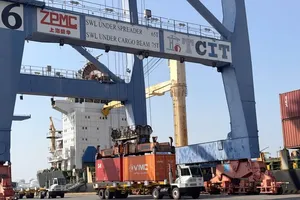
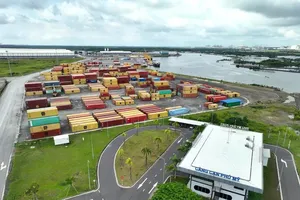
HUBA Chairman Nguyen Ngoc Hoa said that as of March 17, international freight rates have climbed by 50 percent to 100 percent, while delivery times have been prolonged by 10–15 days amid shipping route adjustments. The knock-on effects have inflated logistics-related costs, including storage and insurance, driving a sharp rise in businesses’ overall input costs.
He pointed out that surging costs, without corresponding price adjustments, are straining businesses. As many partners refuse to share added expenses in signed contracts, firms are forced to keep prices steady and take a hit to their margins.
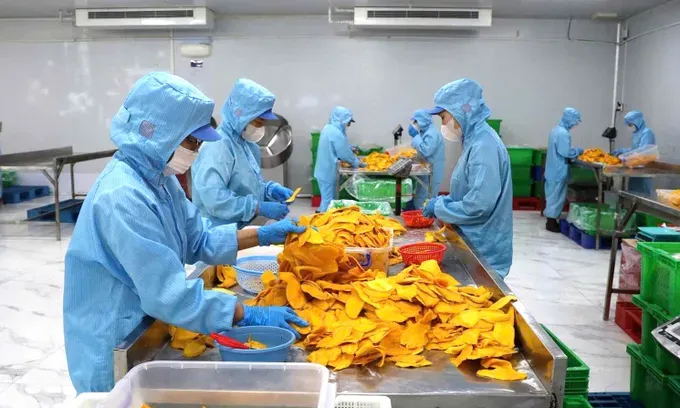
Some businesses are renegotiating prices with partners, but progress remains slow due to ongoing market uncertainties. Notably, cautious sentiment among international customers is also slowing order flows.
Many importers are extending confirmation timelines or requesting delays in delivery schedules to monitor market developments. As a result, most companies are currently focusing on fulfilling existing orders, while the signing of new contracts has largely stalled.
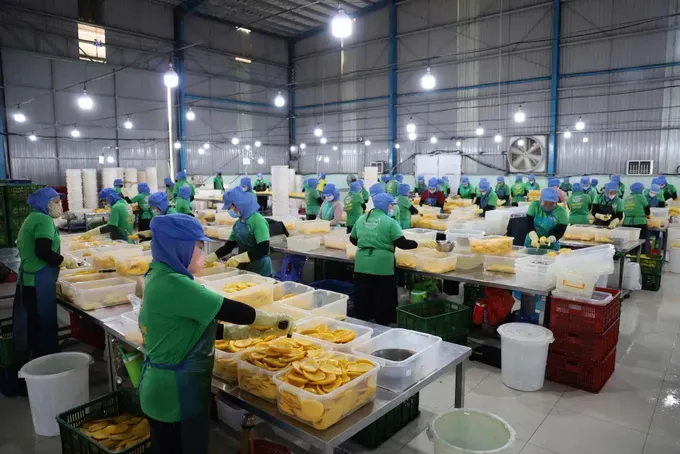
Not only exports, but import activities are also facing similar challenges as logistics costs and input material prices rise sharply. In the meantime, domestic demand has yet to recover strongly, making it difficult for businesses to pass on higher costs through price increases. In this context, many firms are choosing to absorb reduced profit margins and implement phased price adjustments to prevent sudden shocks to the market.
HUBA Chairman Nguyen Ngoc Hoa added that the business community is calling on relevant authorities to adopt more flexible regulatory measures, particularly in controlling fuel prices and other key input factors. The effective use of the price stabilization fund, combined with appropriate tax and fee adjustments, is expected to help ease logistics cost pressures and support businesses in maintaining production.
Regarding the energy market, Mr. Bui Ngoc Bao, Chairman of the Vietnam Petroleum Association, said that industry growth in 2026 will mainly rely on consumption volume, projected at around 4–5 percent per year, while turnover may fluctuate significantly depending on global oil prices. The Middle East currently plays a critical role, accounting for about 80 percent of crude oil supplied to Asia and 20 percent of global energy flows. Therefore, geopolitical instability in the region could directly impact fuel prices and global supply chains.
In addition, the rollout of E10 biofuel starting June 1 is expected to increase ethanol demand by about 600,000–700,000 tons per year, mostly imported from the United States and Brazil. This will not only raise import turnover but also add cost pressure to the domestic fuel market. To ensure a stable supply, the Vietnam Petroleum Association has proposed maintaining appropriate import tax policies for a sufficient period so businesses can proactively sign contracts. At the same time, a flexible reserve mechanism should be developed to effectively respond to fluctuations in the global energy market.