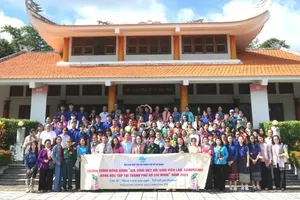
The Ho Chi Minh City Department of Culture and Sports has surveyed Phu Tho Circus and Multipurpose Performance Theater and Kim Chau Theater, with representatives from 19 arts organizations taking part. The effort is aimed not only at finding additional performance venues but also at making more effective use of public facilities, easing cost pressures and gradually building a citywide theater ecosystem.
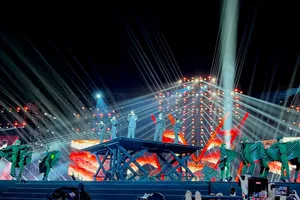
Phu Tho Circus and Multipurpose Performance Theater on Lu Gia Street in Phu Tho Ward, Ho Chi Minh City, has been equipped by the city with modern facilities and equipment. The theater has two stages, with seating capacities of 2,000 and 300.
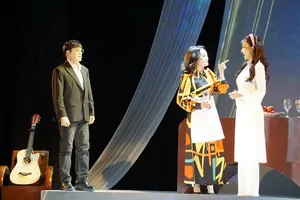
 art performance takes place at the Phu Tho Circus and Multi-purpose Performance Venue. Photo: Dung Phuong.")
A representative of the HCMC Department of Culture and Sports said the 300-seat stage is intended for works on history, national culture, revolutionary traditions and programs for children. Arts organizations that meet these criteria will receive preferential treatment and free use of the stage.
Artists said this is necessary support because works on history and traditions, as well as productions for children, often require substantial staging costs but have difficulty fully recovering their investment through ticket sales. Amid market pressures, many projects with educational and social values may struggle to get off the ground or survive for only a few performances tied to specific occasions.
Meanwhile, located in a central area, Kim Chau Theater on Nguyen Thai Binh Street in Ben Thanh Ward is intended to host programs promoting national culture and traditional arts, as well as connect performances with cultural tourism.
The theater is currently managed by the Bong Sen National Music and Dance Theater. The city Department of Culture and Sports has assigned it to support arts organizations and businesses in staging programs at reasonable costs, with the aim of turning the venue into a cultural destination for both residents and visitors.
HCMC theater policy unlocks sustainable growth by pairing public venues
For many years, the vitality of HCMC's non-state theater sector has been sustained mainly by artists' passion for their profession, personal reputations and ability to find ways to make things work. Many organizations have creative talent and audiences but lack stable performance venues. Not a few theaters have had to rent venues for individual performances, invest in their own equipment and promotion, and bear all the risks associated with ticket revenue.
Therefore, the city's proactive review and expansion of performance spaces means more than simply providing venues. It redefines the role of public cultural facilities: They should not merely be assets to be preserved but infrastructure serving creativity, where state resources meet the organizational capacity of businesses and the talent of artists.
A notable aspect of the policy is that support is not limited to organizations currently lacking venues. For non-public theaters that have operated steadily at existing facilities, the HCMC Department of Culture and Sports will continue studying appropriate solutions involving subsidized prices, demand stimulation and other forms of support. Flexibility in applying support measures can make the policy more effective by addressing actual needs rather than applying a one-size-fits-all approach.
The recent survey further affirmed Ho Chi Minh City's efforts to connect public facilities, social resources and creative capacity. When that connection operates through transparent, professional mechanisms with audiences at the center, the city's theater sector will have an opportunity to move beyond the struggle of putting on performances one at a time and enter a more sustainable development cycle.
Providing performance venues is only part of the city's effort to improve the quality of performing arts programs, diversify products and bring the arts closer to the public. For their part, performance organizations need to proactively propose operating models and develop programs suited to the functions of each venue, with a focus on works about history, national culture, children and traditional arts; while also strengthening links with education, tourism and the media so that each performance space truly becomes a cultural destination.
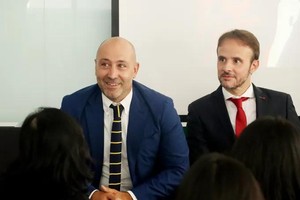
People's Artist Nguyen Thi Thanh Thuy, Deputy Director of the HCMC Department of Culture and Sports

)