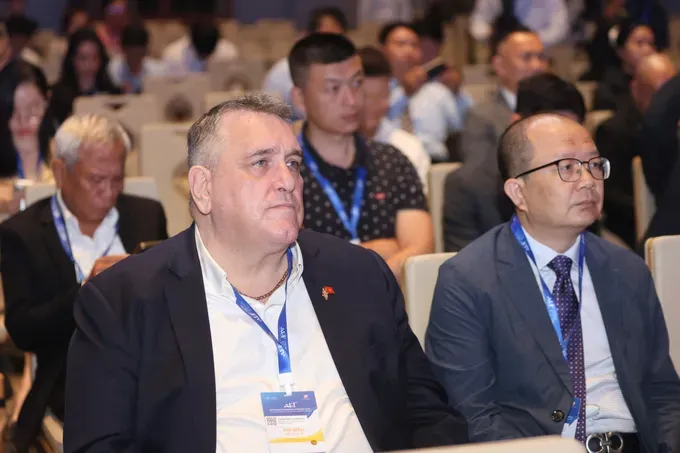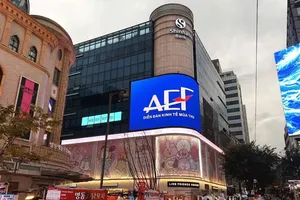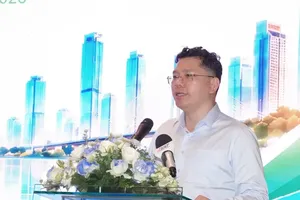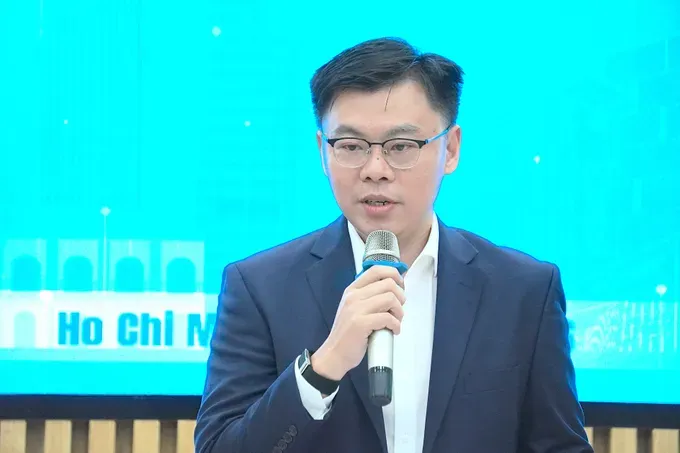
On October 26, SoiHub Open Innovation Center, in coordination with the National Center for Technological Progress (Nacentech) under the Ministry of Science and Technology, Saigon Telecommunication & Technologies Corporation (Saigontel), and the Ho Chi Minh City Center for the Fourth Industrial Revolution (HCMC C4IR), organized Open Innovation Day 2026 in Ho Chi Minh City. Themed “Building a Next-Generation Industrial City,” the event marked the opening of a series of activities under the Autumn Economic Forum 2026.
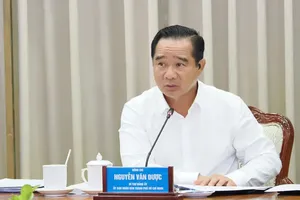
Speaking at the event, Vice Chairman of the Ho Chi Minh City People's Committee, Truong Minh Huy Vu, underscored the role of innovation in the city's development, particularly following the expansion of its administrative boundaries. The city is finalizing its master plan, which it expects to submit and issue in November 2026. High-tech industries, science, technology, and innovation have been identified as key growth drivers.
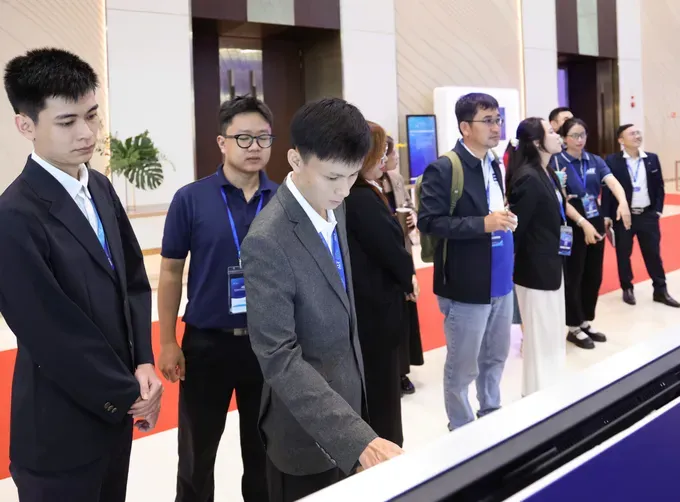
According to Mr. Truong Minh Huy Vu, the city's foundation for developing new industries has been built through the establishment of the Saigon Hi-Tech Park, more than two decades of development at Quang Trung Software City, and a network of more than 80 universities and over 40 incubators, innovation centers, and technology incubation facilities.
The merger with Binh Duong and Ba Ria–Vung Tau has expanded the city's industrial development space, helping address constraints on land availability and investment costs in the central urban area. The planning orientation concentrates large-scale industrial land reserves in Bac Tan Uyen and Chau Duc. The city is prioritizing high-tech industries, high-tech agriculture, and the development of 11 digital technology parks.
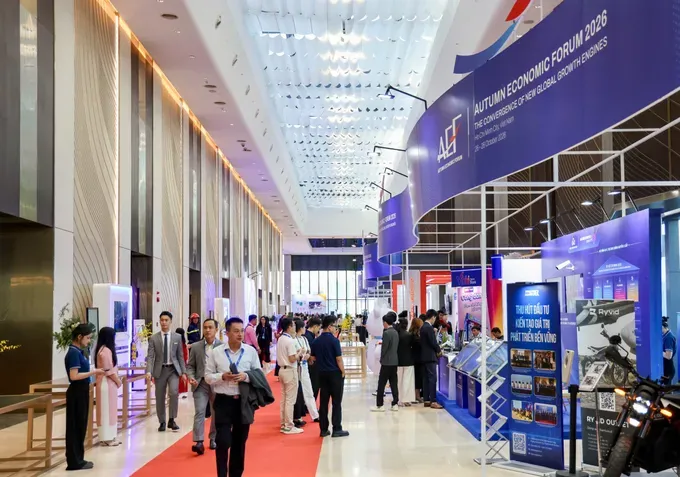
Ho Chi Minh City also plans to develop solar power in Bac Tan Uyen and establish an energy hub in Chau Duc linked to offshore wind power. Infrastructure investment will be mobilized from the state budget, public-private partnerships, and the private sector to attract new technology projects.
Alongside infrastructure development, the city is focusing on narrowing the gap between scientific research and technology commercialization. According to Vice Chairman of the Ho Chi Minh City People's Committee, Truong Minh Huy Vu, the Ho Chi Minh City People's Council has issued six resolutions to strengthen linkages among educational institutions, scientists, and businesses. The city has also established a venture capital fund with a capital of VND500 billion (US$19.3 million) and is continuing to study options for increasing its capital and expanding support for technology incubation.
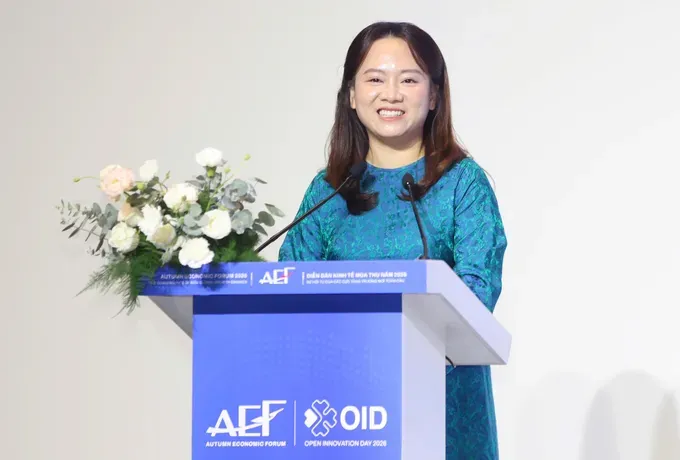
Director of SoiHub Open Innovation Center, Bui Thanh Hang, said the center places business and market needs at the core of its efforts to connect research with production. To date, SoiHub has facilitated partnerships to develop 50 domestic and international technologies, received 15 market orders, and established 20 strategic cooperation agreements.
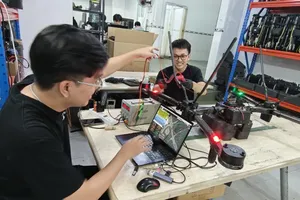
According to Ms. Bui Thanh Hang, building a next-generation industrial city requires not only infrastructure but also the capacity to master technology, a highly skilled workforce, and stronger links between research and the market. SoiHub is promoting cooperation in artificial intelligence, semiconductors, the low-altitude economy, manufacturing, and new materials, helping enhance the competitiveness of Vietnamese businesses.