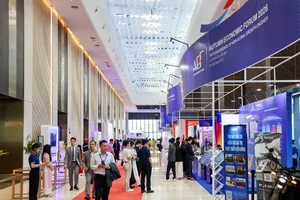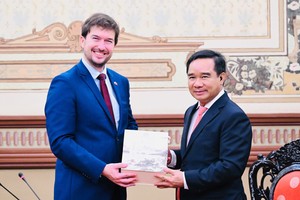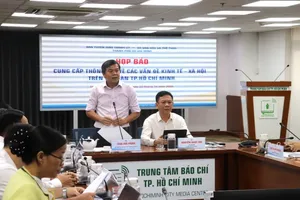
The forum was jointly organized by the Ho Chi Minh City Center for the Fourth Industrial Revolution (HCMC C4IR) and the Consulate General of India in Ho Chi Minh City as part of the Autumn Economic Forum 2026.
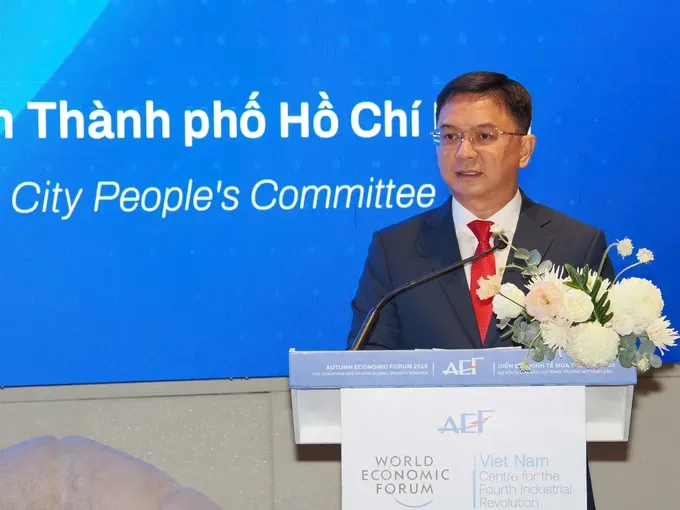
Attendees included Vice Chairman of the Ho Chi Minh City People's Committee Nguyen Manh Cuong, Indian Ambassador to Vietnam Tshering Wangchuk Sherpa, and representatives of regulatory agencies, research institutes, universities, and businesses from both countries.
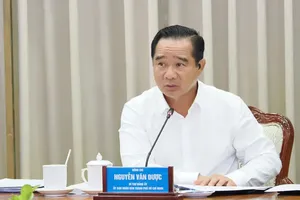
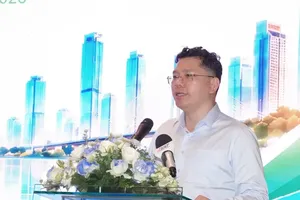
Speaking at the forum, Mr. Nguyen Manh Cuong noted that as artificial intelligence (AI), semiconductors, and automation reshape production methods, competitive advantages depend not only on access to technology but also on the ability to master and apply it. Ho Chi Minh City therefore needs to translate cooperation resources into domestic capabilities, boost productivity, improve workforce quality, and strengthen the position of local businesses in global value chains.
According to the Vice Chairman of the Ho Chi Minh City People's Committee, following its merger with Binh Duong and Ba Ria–Vung Tau, Ho Chi Minh City covers more than 6,772 square kilometers, has a population of over 14 million, and accounts for approximately 23.5 percent of Vietnam's GDP. Its expanded development space links financial, industrial, and high-tech hubs with seaports and logistics networks, creating favorable conditions for attracting international partners to conduct research, invest, and pilot new technologies.
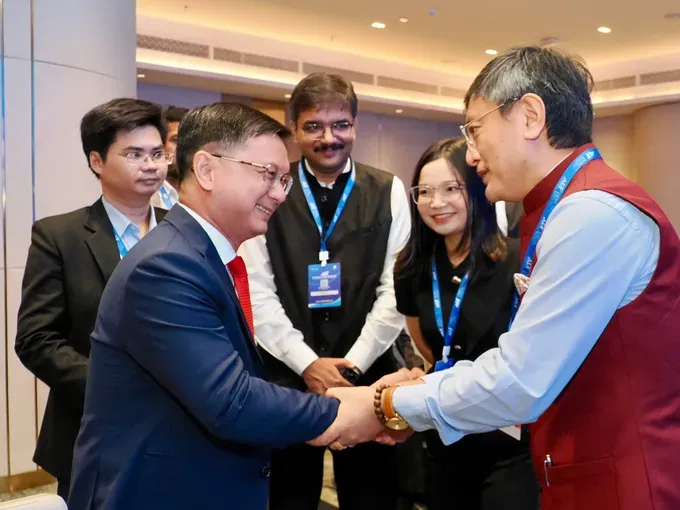
The HCMC leader proposed three key areas of cooperation with India: first, developing a high-tech workforce through partnerships among universities, research institutes, and businesses, with training aligned with practical needs; second, promoting research, application, and technology transfer in AI, semiconductors, digital infrastructure, and smart manufacturing, alongside solutions for urban governance, logistics, and environmental management; and third, connecting innovation ecosystems and accelerating technology commercialization to turn research outcomes into products, services, and business models.
To translate these priorities into action, the forum's program proposed developing a training model for 20–30 trainees annually, with courses lasting six to nine months and combining professional mentorship with hands-on projects.
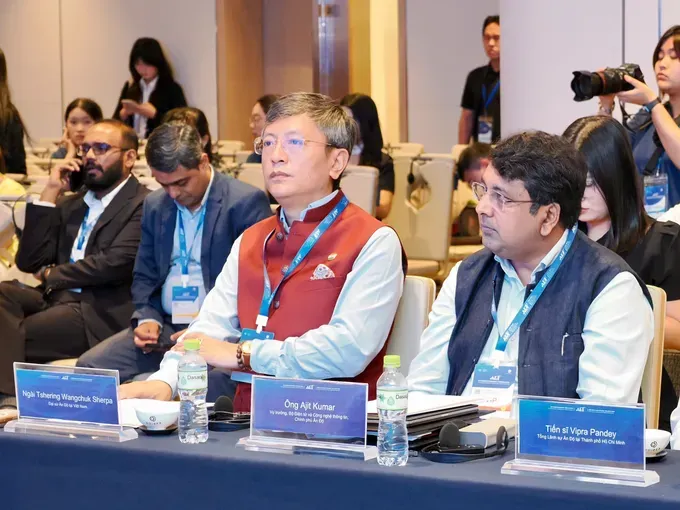
In the semiconductor sector, the parties will consider developing two to three specialized training modules covering chip design, embedded systems, automation, and industrial AI. They will also explore selecting two to three areas for piloting AI and digital infrastructure applications to improve public service delivery and enhance business capabilities.
The forum also discussed the potential application of remote sensing, geospatial data, and AI in urban planning, environmental management, seaport development, and logistics.
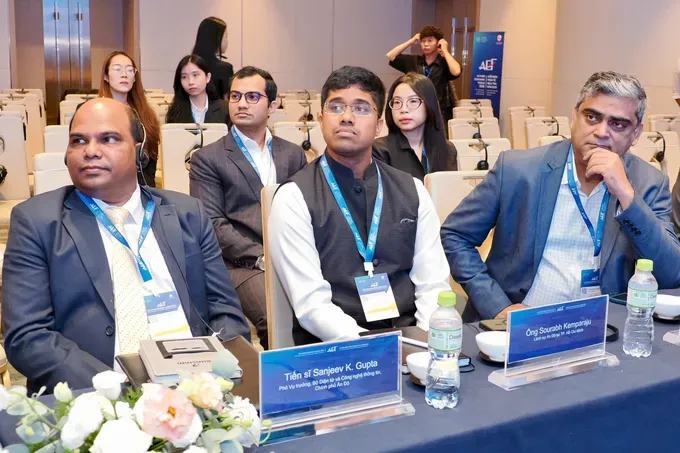
Under the program's objectives, the forum aims to identify three to five priority cooperation initiatives and select one or two pilot projects for implementation over the next 12 to 24 months. Within 30 days of the event, the parties are expected to agree on coordination focal points and develop an implementation plan.
Vice Chairman of the Ho Chi Minh City People's Committee Nguyen Manh Cuong emphasized that Ho Chi Minh City hopes to translate discussions into concrete initiatives with clearly identified partners and implementation roadmaps. The city has tasked HCMC C4IR, together with relevant agencies, with coordinating efforts to advance cooperation, enhance business competitiveness, and develop new industries.