The socialist commune and ward model is being realized through tangible everyday improvements, from safer streets and cleaner alleys to streamlined administrative procedures and guaranteed social welfare across Ho Chi Minh City.
Residents actively foster a responsible community mindset
Every morning, resident Pham Thi Yen from Quarter 8 in Thu Duc Ward sweeps the alleyway in front of her home while her neighbor gathers fallen leaves along the path. This routine developed through joint community efforts alongside regular encouragement from the neighborhood party cell, the executive board, and the local administration. Small individual actions have cultivated a shared civic awareness, making the neighborhood cleaner, tidier, and more livable.
According to Mr. Nguyen Huy Tuu, Party Cell Secretary of Quarter 8 in Thu Duc Ward, neighborhood officials monitor all aspects of local life, including environmental sanitation, greenery, drainage, security, and support for vulnerable households. Resident feedback is promptly collected and forwarded to authorities for immediate action.
Dweller Nguyen Thi Than from Suoi Dua Hamlet in Dau Tieng Commune, Ho Chi Minh City, feels the deep warmth of her local community. Her family's dilapidated house was recently repaired using funds raised by local authorities and the hamlet board.
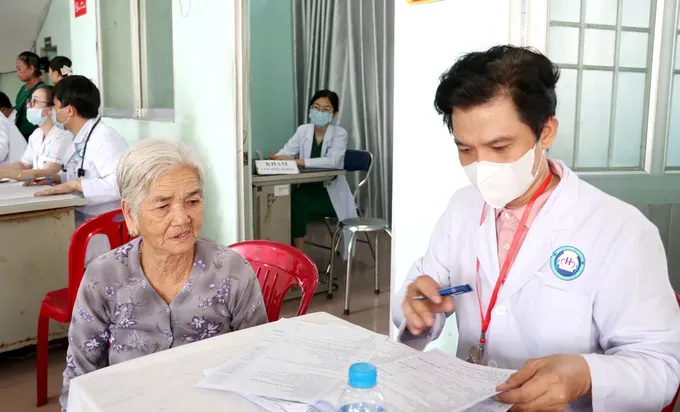
In late July, the Ba Diem Commune Health Station was busy with residents arriving for free health checkups. Mr. Le Van Thanh, a farmer over 60 years old from Xuan Thoi Thuong 1 Hamlet, previously hesitated to seek medical care due to cost concerns. He gained confidence to participate only after his hamlet chief visited his home to explain the process. Storing his medical results carefully after his appointment, Mr. Thanh shared that detailed doctor consultations helped him better understand his health and how to care for himself.
More than 124,000 residents in Ba Diem Commune are eligible for health screenings during this peak campaign. To complete the comprehensive screenings, the 51 hamlets of the commune organized door-to-door visits to raise awareness, compile lists, and remind residents of scheduled appointments. For elderly citizens and individuals with mobility challenges, local grassroots forces collaborated with health agencies to deliver home health visits.
According to Vice Chairwoman of the Ba Diem Commune People's Committee Tran Thuy Huong, hamlets serve as an extended arm of the government in mobilizing, guiding, and caring for public health. This groundwork ensures the humane policy of the city is effectively implemented directly from the grassroots level.
Grassroots administration measures success through resident quality of life
In implementing the policy to establish socialist residential areas and pilot socialist communes and wards under Resolution 09-NQ/TW of the Politburo, Ho Chi Minh City is researching and selecting suitable localities for execution.
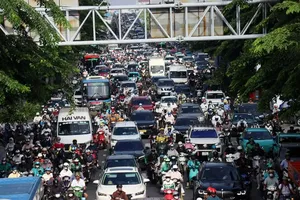
Based on practical conditions, communes and wards across the city are striving to serve residents faster and more effectively. Under this approach, Thu Duc Ward partnered with the Ho Chi Minh City Institute for Development Studies to build the Happy Thu Duc Ward Criteria. Over 6,000 households across 46 quarters participated in a survey. While most feedback was positive, several responses highlighted daily pressures such as living costs, traffic congestion, flooding, noise pollution, lack of green spaces, and work-life imbalance. These survey findings allow local officials to pinpoint resident concerns and prioritize solutions.
Chairwoman of the Thu Duc Ward People's Committee Mai Thi Tuyet Trinh stated that the ward created a quick response channel via Zalo and social media to resolve urban grievances within 24 to 48 hours. The ward is also improving public administrative service quality, reviewing public land funds to construct parks, and coordinating to accelerate infrastructure projects, including Ring Road 2.
In Tan Son Hoa Ward, the objective to elevate living standards is operationalized through the "Jointly Building a Happy Ward" model. The local unit focuses on administrative reform, digital transformation, social welfare, healthcare, and education, while developing a green, clean, and safe living environment that encourages public participation and oversight.
Dr. Vu The Tung from the Ho Chi Minh National Academy of Politics emphasized that placing citizens at the center with their satisfaction, prosperity, freedom, and happiness as the ultimate goal defines the core characteristic and operating method of the socialist commune and ward model.
This approach puts into practice the principle that "people are the root," aligning with the orientation of the 14th National Congress of the Party. The socialist commune and ward model delivers authentic value only when citizens actively participate as primary actors while directly benefiting from development outcomes.
Chairwoman Truong Le My Ngoc of the People’s Council of Tan Son Hoa Ward in Ho Chi Minh City affirmed that sound policies must be reflected in real improvements to the lives of residents across every neighborhood.

She explained that the effort to build a socialist ward is expressed through practical measures such as faster handling of administrative procedures, a greener and safer living environment, improved educational opportunities for children, and dedicated care for the elderly, people with meritorious service, and vulnerable groups. The ward also ensures regular health check-ups, expands cultural and sports facilities, and nurtures a community that is increasingly united, compassionate, civilized, and happy.
Nguyen Thanh Hai, Head of Xuan Thoi Thuong 1 Hamlet in Ba Diem Commune, stressed that protecting public health is regarded as a crucial political responsibility.
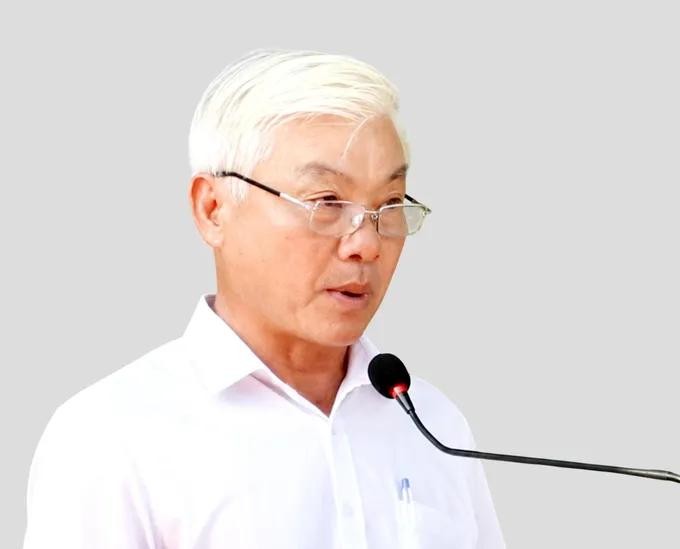
Recently, Xuan Thoi Hamlet worked with neighboring hamlets to coordinate with the commune health station and a medical team from Hoc Mon Regional General Hospital to provide on-site examinations, making access easier for residents. The hamlet adopted the principle of going down every alley and knocking on every door to encourage participation in routine check-ups, which has helped raise the overall rate of medical examinations among the population.
For citizens, the most pressing expectation remains a better quality of life.

Chu Thi Huong Giang, a resident of Neighborhood 8 in Thu Duc Ward, said that people want secure living conditions, a clean and beautiful environment, efficient administrative services, and officials who are both responsible and approachable. She reflected on her experience, noting that she has lived in Neighborhood 8 for more than 20 years and has witnessed how cooperation between residents and local authorities in promoting a civilized lifestyle makes the community more livable. She expressed hope that Ho Chi Minh City’s initiative to build a socialist commune and ward model will bring practical benefits at the grassroots level.






)