Local products tell the compelling stories of coastal villages
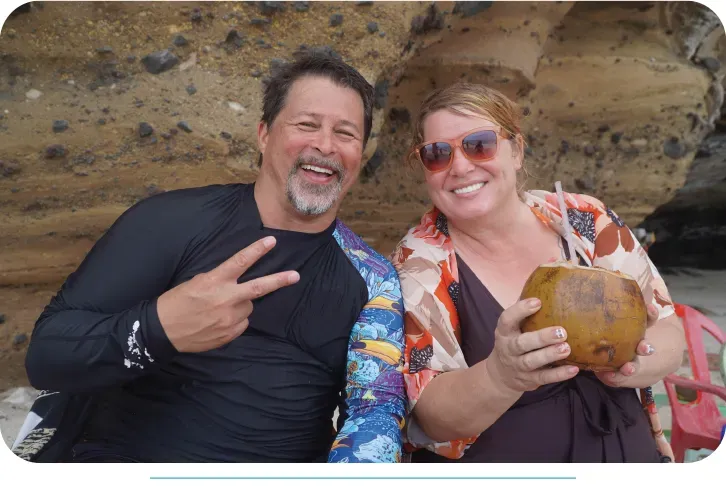
On the ancient volcanic island of Ly Son in Quang Ngai Province during peaceful days in August, tourists Jennifer McCallum and her husband Mark Busby shared their journey: "The scenery is beautiful, but the people are even more wonderful. The local people are very kind and enthusiastic, even though we do not speak Vietnamese. They are the ones who create this special touch." The two American tourists traveled over 12,000 km by cruise ship to reach Ly Son after seeing a KOL introduce it on social media. Beyond sightseeing, scuba diving, and enjoying seafood and local specialties, they listened to cultural stories filled with thrilling and fascinating nuances.
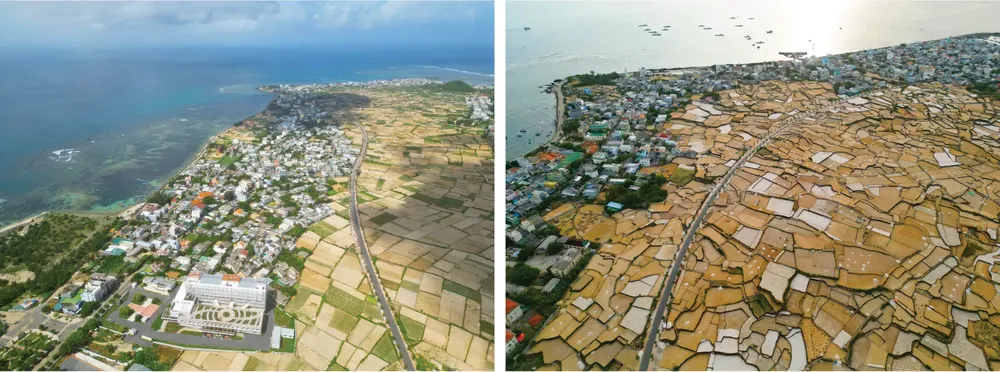
To attract tourists like McCallum and her husband, local residents strive to integrate indigenous specialties into the tourism ecosystem. Located less than an hour from Sa Ky Port by speedboat, Ly Son possesses distinctive landscapes, geology, and products shaped by unique natural conditions, among which garlic stands out alongside seafood.
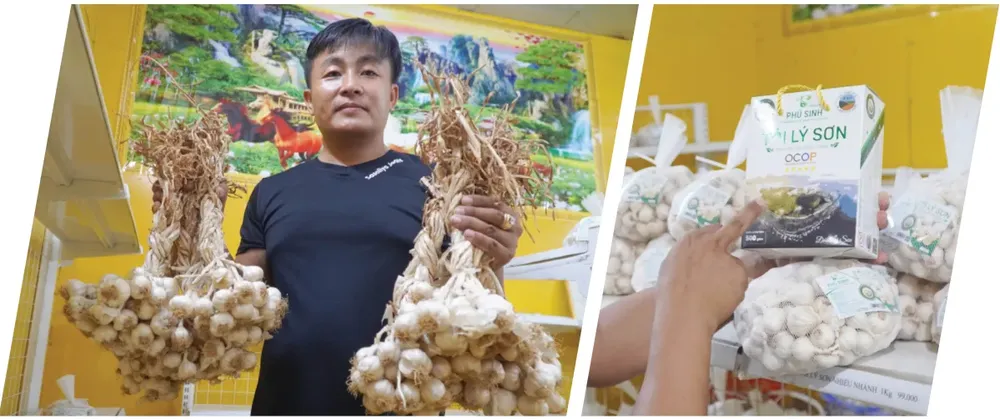
Nguyen Van Nhat, owner of the Phu Sinh clean garlic brand meeting VietGAP standards, stated that the company collaborates with more than 100 households across a 42-hectare cultivation area to develop various garlic products. White garlic products have achieved national five-star OCOP recognition.
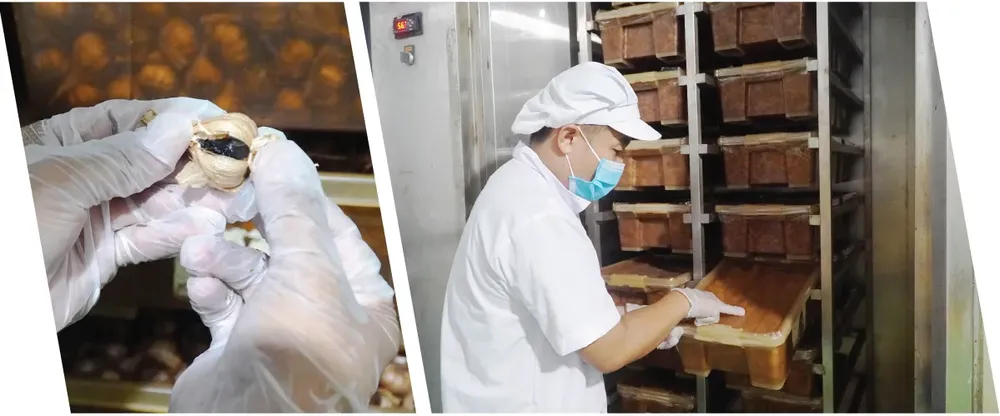
The company partners with nearly 40 travel agencies to take visitors to seasonal cultivation areas, experience fermentation workshops, and hand-package products themselves.
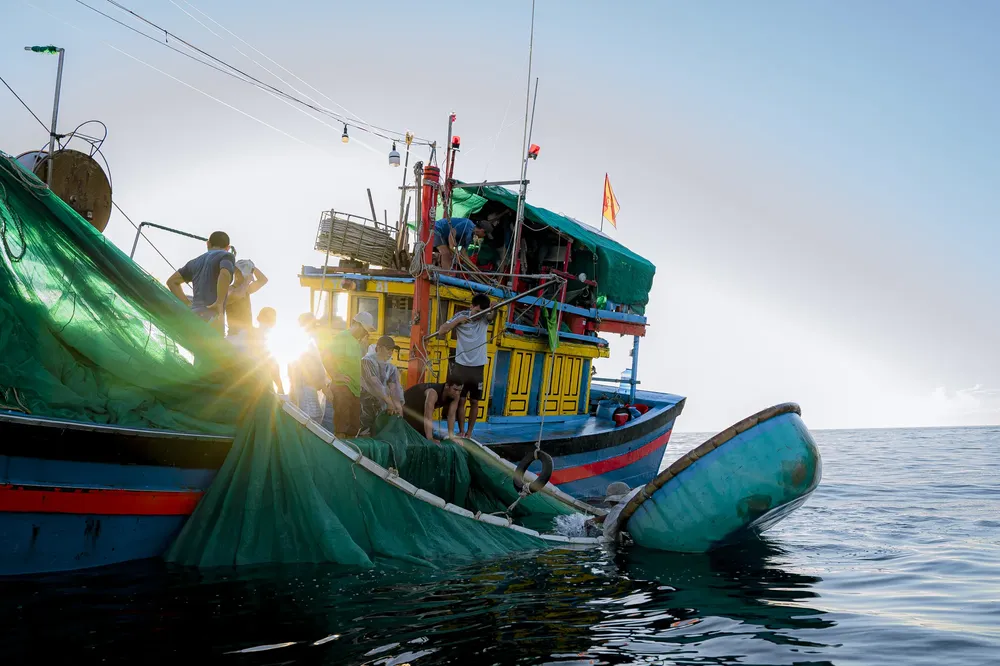
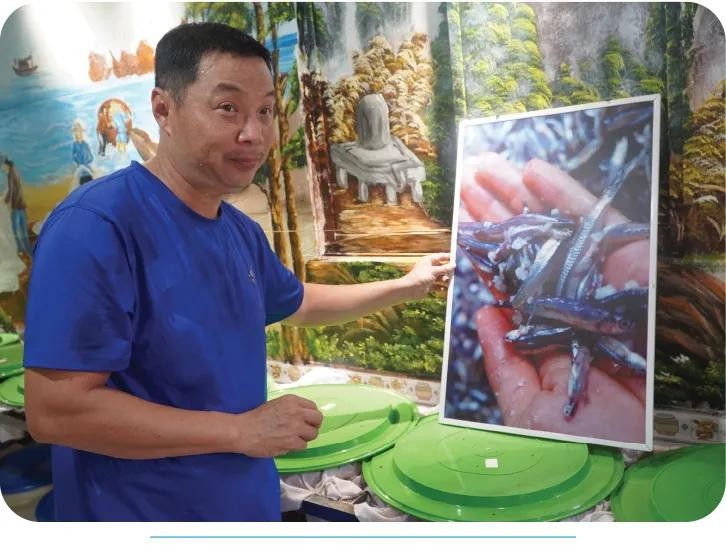
In Nam O, an ancient fishing village over 700 years old at the mouth of the Cu De River flowing into Da Nang Bay, local residents are also telling stories of marine identity. Owner Bui Thanh Phu of the Huong Lang Co fish sauce brand (meeting HACCP standards), seeks to connect traditional crafts with marine tourism. Centuries of fish sauce making along with ancient Cham square wells provide material for tourists to explore coastal village culture. The owner hopes visitors can both purchase "tribute-grade specialties" and experience cultural stories from a centuries-old fishing village.
Ports welcome large cruise ships to retain international visitors
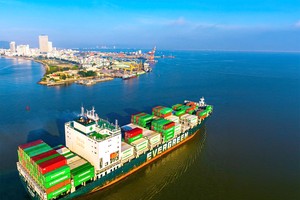
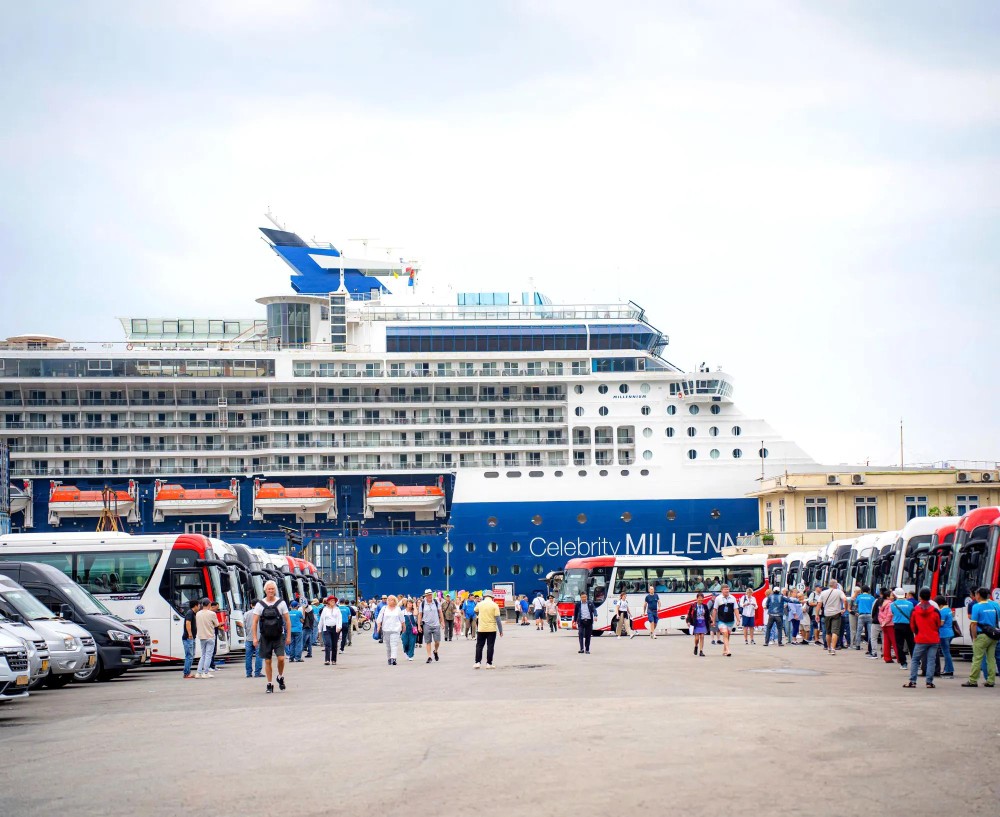
At Chan May Port (Hue City), the locality welcomed 46 cruise ship arrivals with nearly 93,000 tourists and 40,000 crew members in 2025. In 2026, fewer than the first eight months have already brought 88 ship arrivals totaling approximately 286,000 tourists and crew members.
According to Hoang Kim Hiep, Director of Golden Asia Tour Company, cruise passengers typically travel through multiple countries, receiving full high-end services on board, but have limited time at each destination. Therefore, they usually research thoroughly and choose unique experiences. In Hue City, catering to this tourist group mainly focuses on quick visits to prominent relics.
Experiential products and supplementary services remain limited. Hue still lacks specialized port berths connecting Chan May Port to shopping, dining, and entertainment venues. Fragmented high-end services mean visitor stay times and spending levels have not yet been effectively leveraged.
Experience from Singapore, Thailand and Malaysia shows that Hue’s cruise tourism sector should improve port infrastructure, develop a service ecosystem around the port and meet visitors’ diverse needs within a limited time. Specifically, Hue should proactively identify tourists’ needs, coordinate with relevant agencies to attract investment, and develop internationally standardized shopping, recreation and entertainment facilities near Chan May Port. These facilities should integrate cuisine, local specialties, entertainment and virtual reality technology to showcase Hue’s heritage.
At the same time, Hue should make effective use of destinations such as Lang Co, Bach Ma, Truc Lam Bach Ma Zen Monastery, beaches, streams and waterfalls to develop attractive tour routes. Cooperation with cruise lines should be substantive and geared toward establishing an effective coordination mechanism, enabling Hue to capitalize on this source of visitors
Hoang Kim Hiep, Director of Golden Asia Tour Company, proposed.
Localities expand marine tourism space across coastal regions
Previously, traveling from Cua Viet to Con Co in Quang Tri Province took nearly four hours by wooden boat, followed by a transfer to a coracle to reach the shore. Speedboats have now shortened the journey to about one hour. The island, covering an area of approximately 4 square kilometers, currently welcomes around 10,000 tourists annually, with expectations to increase in the coming time.
Speaking with reporters, Le Van Vinh, one of the first 43 volunteer youth members who went to build the island, shared that since 2023, he and his wife have operated a seafood restaurant and homestay. His family is awaiting approval for a project to conserve moon snails and cone snails around the island. If implemented, coastal waters surrounding the island will be zoned to release and regenerate the two snail species beneath coral reefs, aiming to restore biodiversity and create additional specialties to serve tourists.
According to Tran Xuan Anh, Party Committee Secretary and Chairman of the Con Co Special Zone People's Committee, the locality aims to develop high-tech aquaculture associated with tourism. Serrated oysters and stone snails are prioritized for conservation and development to preserve biodiversity and serve tourists. Lacking natural beaches, Con Co plans to construct artificial beaches to create new tourism products.
During the 2026-2030 period, the special zone will welcome 49 households from the mainland to supplement human resources for production and services on the island. The Project on Developing Con Co Special Zone into a Strong Economic and Solid Defense-Security Entity will prepare plans to expand the special zone's development space. Con Co Special Zone will actively attract investment toward effectively exploiting specific potential and advantages in sea, island, and eco-tourism, alongside marine economic development tied to defense, security, and sea-island sovereignty.
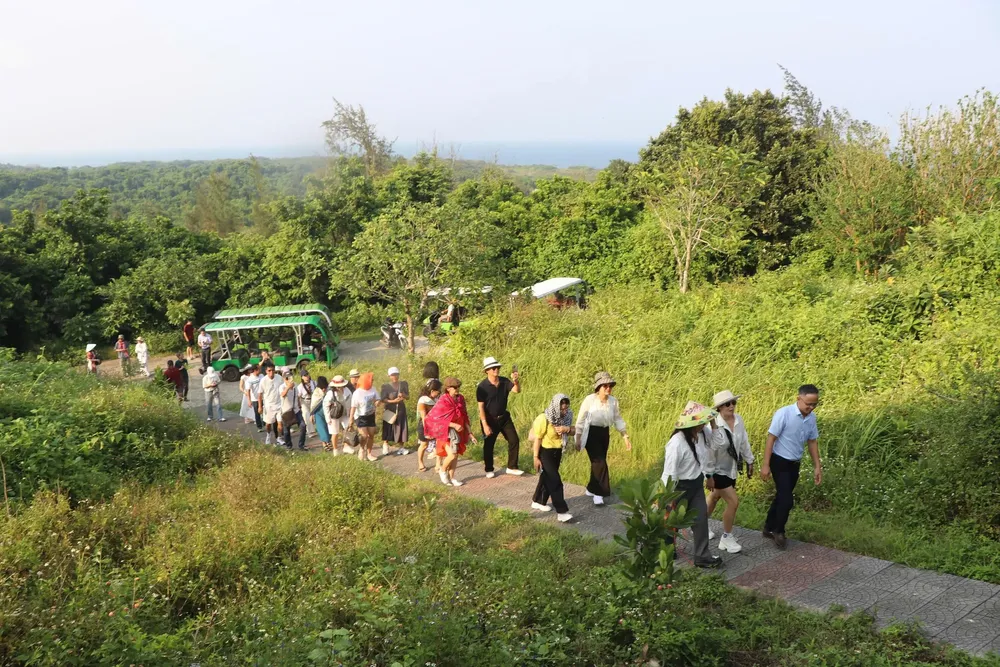
In the first eight months of 2026, Vietnam welcomed nearly 16 million international visitors.
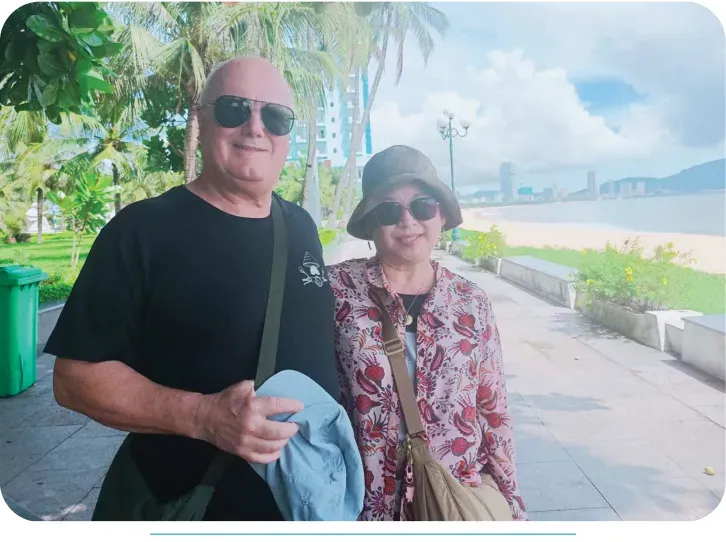
Feinttenie Michel from France, a special tourist who has visited Vietnam 46 times, shared: "Vietnam has many beautiful beaches and green islands in the East Sea, which can be likened to an ecological sea and island paradise of the world. Many beaches in Vietnam are as beautiful as those in France. If well planned, providing open public spaces, increasing coastal greenery, and avoiding encroachment on natural sand beaches, Vietnam will become an attractive destination that international tourists cannot miss."
Vice Chairman Huy Thanh Ho of the Ha Tinh Provincial People's Committee
Diversifying the ecosystem, extending the beach tourism season
To diversify tourism products and improve service quality, Ha Tinh Province is focusing on four groups of solutions. First, it will improve policies supporting tourism promotion, digital transformation, workforce training, accommodation development and landscape enhancement, while encouraging businesses and local communities to invest in new products.
Second, destinations such as Thien Cam, Xuan Thanh, Loc Ha, Ky Xuan and Hai Ninh will expand offerings including water sports, water-based experiences, island and fishing port tours, night markets, cuisine, camping and community-based experiences. Third, coastal tourism will be linked with heritage, spiritual tourism, traditional craft villages, Vi Giam and Ca Tru folk music, cuisine, ecotourism, agricultural tourism and wellness tourism. Fourth, more cultural, sporting, festival and culinary events will be held during the low season, combined with promotional campaigns and efforts to improve service quality. The goal is to “extend the beach tourism season,” build a year-round tourism ecosystem, increase visitors’ length of stay and spending, and encourage repeat visits.
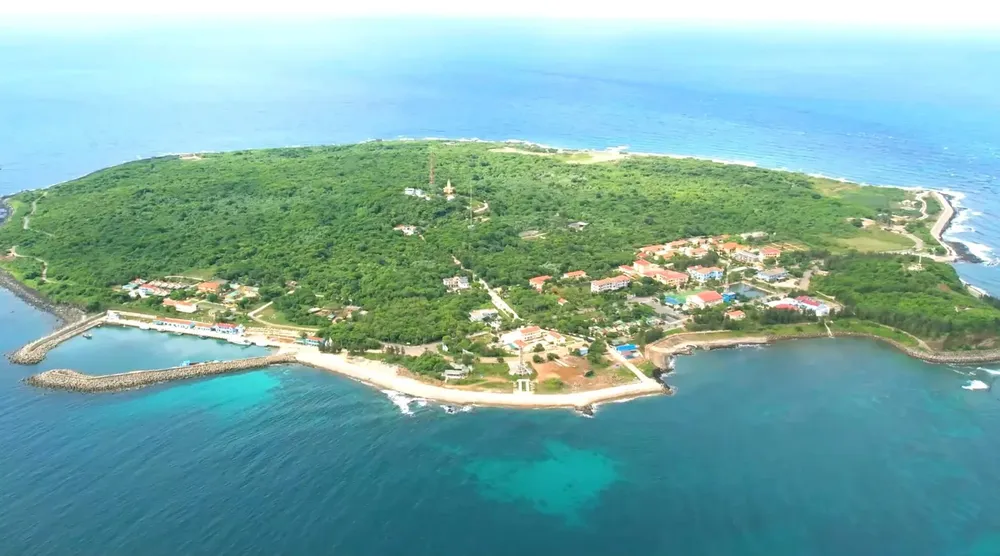
Vice Chairman Nguyen Dao of the Ly Son Special Administrative Zone People's Committee
Electricity, water and infrastructure must keep pace with tourism
Ly Son needs to continue investing in electricity and freshwater systems to ensure energy security and a reliable water supply. Infrastructure remains incomplete, while funding has yet to be secured for many essential transportation projects. The island has more than 56 historical and cultural sites and scenic attractions, many of which have deteriorated, making it difficult to develop cultural and historical tourism. We are currently mobilizing resources and coordinating with relevant departments, agencies and organizations to connect the island’s strengths and gradually turn Ly Son into a National Tourism Area in line with the goals set by the Politburo and the Government.
Director Tran Thi Hoai Tram of the Department of Foreign Affairs of Hue City
Positioning Hue through the heritage values of the former imperial capital
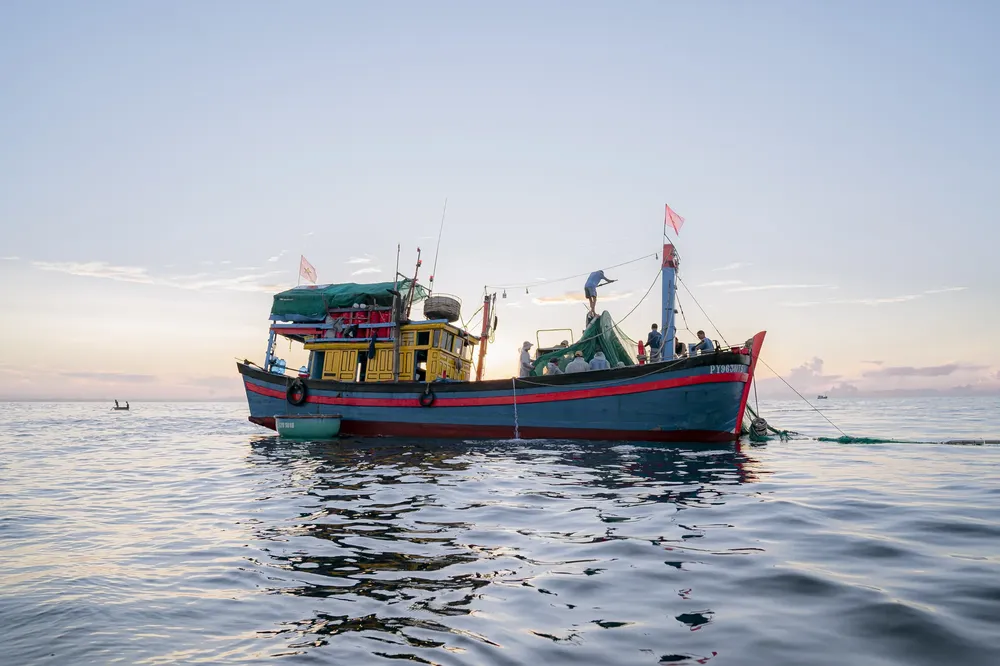
To create a distinctive identity and enhance its competitiveness with other destinations, Hue is positioning itself through the heritage values of the former imperial capital. First, it will develop signature products such as heritage tours, royal cuisine, traditional craft villages and high-end resorts, while organizing visitors into smaller groups to ensure service quality.
Second, Hue will proactively work with cruise lines and international destination management companies to incorporate Hue-branded products into cruise itineraries from the initial design stage. Third, the city should soon invest in a dedicated cruise terminal, along with shopping and dining services at the port, creating an experience attractive enough to encourage passengers to leave their ships and explore Hue.
Fourth, more tourism products should be developed in Tu Hien, Lap An and Lang Co to complement the heritage of the former imperial capital and cater to visitors with limited time. Fifth, the tourism sector needs to coordinate with major travel companies while encouraging Hue businesses to actively target the market before passengers board their ships, positioning Hue as an official port of call rather than a secondary stop on an itinerary.
Director Tran Son Tung of Son Tung Transport Company
Investing in safe tourism
In Quy Nhon Bay, Gia Lai Province, there remains significant room for growth in coastal tourism, but some operators continue to use outdated vessels and provide fragmented services. Businesses should invest in new means of transport, including high-speed boats, yachts and next-generation speedboats, improve service quality, prioritize safety and employ crews with professional certifications. Beach, snorkeling, coral-reef diving and water sports tours should be organized professionally and combined with culinary and nighttime activities. At the same time, cross-regional tourism routes should be developed, particularly connecting destinations around bays, lagoons and estuaries, as well as Nha Trang in Khanh Hoa Province and Phu Quoc in An Giang Province.