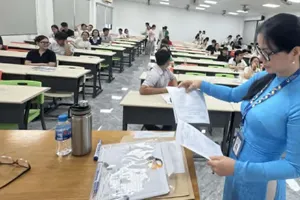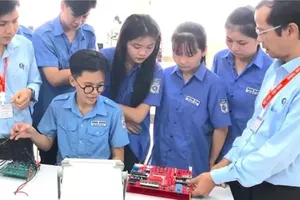
Following recent mergers, Ho Chi Minh City now has 478 vocational education and training institutions with more than 198,000 students and over 20,000 teachers and administrators, according to the city’s Department of Education and Training.
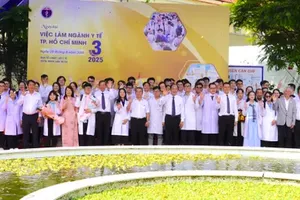
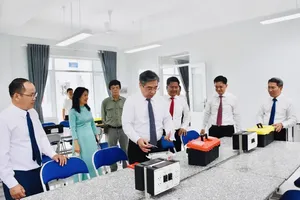
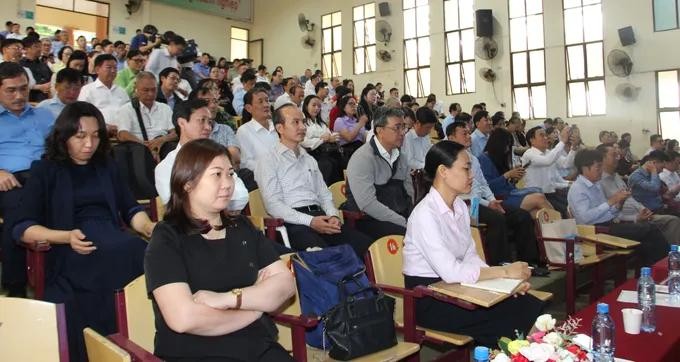
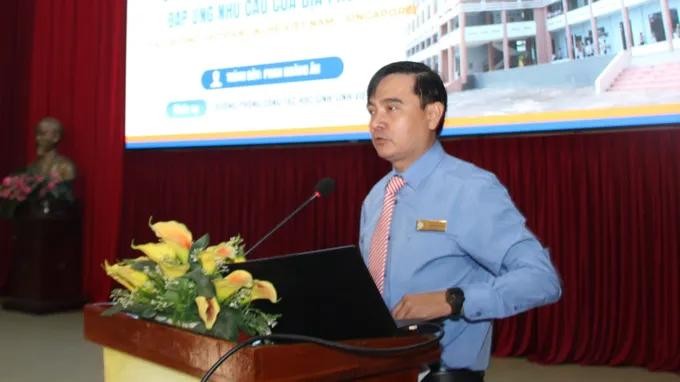
This morning, the Ho Chi Minh City Department of Education and Training held a conference at Vietnam–Singapore Vocational College in Thuan Giao Ward to review the 2025 academic year and assess the first semester of the 2025–2026 academic year in the vocational education and training sector. The event was attended by Education and Training Deputy Director Truong Hai Thanh and representatives from the leadership of vocational education institutions across the city.
As of 2025, 34 of the city’s 130 vocational education and training institutions and 106 training programs have met quality accreditation standards. The sector also expanded recruitment initiatives targeting young people completing military or police service and volunteer youth organizations, conducted labor market surveys, and organized skill competitions and teaching demonstrations.
In the first semester of the 2025–2026 academic year alone, the city’s vocational schools enrolled more than 109,000 new students and saw over 85,000 graduates. Looking ahead to 2026, the sector aims to achieve a workforce with at least 20 percent holding college or university degrees and to ensure that at least 28 percent of students pursue studies in basic sciences, engineering, and technology.
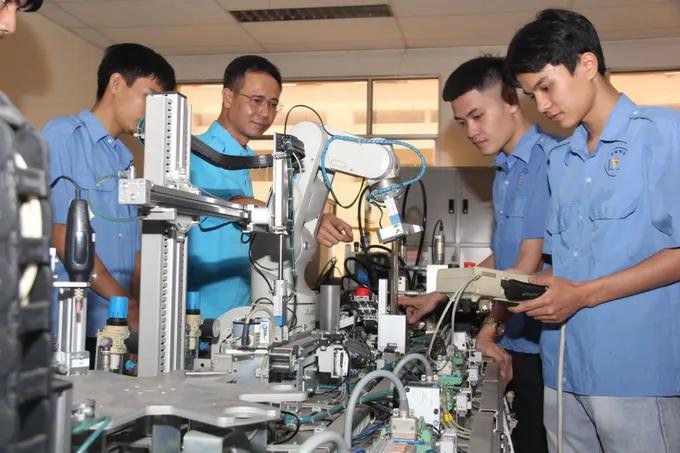
The conference also featured presentations from institutions sharing best practices in student recruitment, training, and workforce development; the establishment and assessment of high-quality colleges; and strategies to enhance international cooperation and expand successful partnership models.