The Ho Chi Minh City Department of Agriculture and Environment has submitted a report to the Directorate of Fisheries and Fisheries Surveillance, outlining a series of difficulties and institutional bottlenecks in fisheries management and in combating illegal, unreported, and unregulated (IUU) fishing. The department also proposed investing in high-capacity fisheries surveillance vessels to strengthen maritime law enforcement.
According to the department, in the first six months of 2026, the city maintained vessel monitoring through the Vessel Monitoring System (VMS), enabling timely detection and alerts of potential violations related to fishing regulations and tracking device compliance. However, enforcement has been hampered by procedural constraints. The current maximum 30-day detention period for vessels is considered inadequate for complex cases, particularly those involving VMS violations or suspected incursions into foreign waters, which may require two to three months for verification.
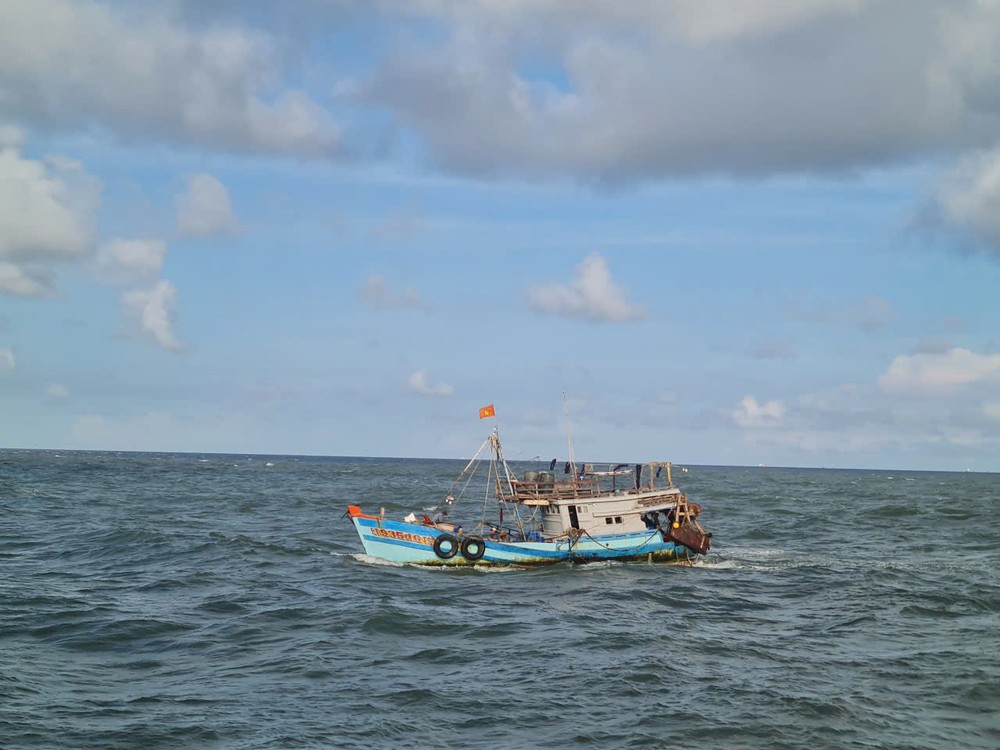
In addition, the implementation of IUU-related penalties remains challenging, as many fishermen lack sufficient assets to secure enforcement of administrative sanctions. Local authorities also lack designated facilities to temporarily detain fishing vessels and preserve fresh catch during investigations. Another key constraint is the absence of an independent mechanism to verify causes of VMS signal loss, complicating the determination of responsibility in violation cases.
The city’s fisheries surveillance force currently comprises 53 personnel, including only three formally trained inspectors. Its fleet of six patrol vessels and six speedboats is aging, underpowered, and in deteriorating condition, limiting operational capacity and effectiveness.
To enhance maritime enforcement capacity, the department has proposed funding for the construction of two new fisheries surveillance vessels with capacities exceeding 1,000 horsepower, capable of operating in sea conditions up to level 5–6. These vessels would be equipped with modern technology to replace outdated assets. The department also recommended additional funding for maintenance equipment, repair facilities, and specialized training programs for technical personnel.