With a readiness to move first, take responsibility, and deliver distinctive breakthroughs, HCMC is pressing ahead with sweeping reforms to operate more effectively, maintain its role as the nation’s economic locomotive, open pathways for new models, and make tangible contributions to Vietnam’s digital transformation.
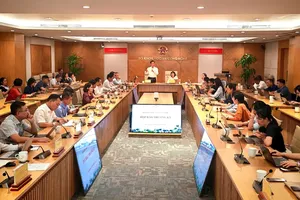
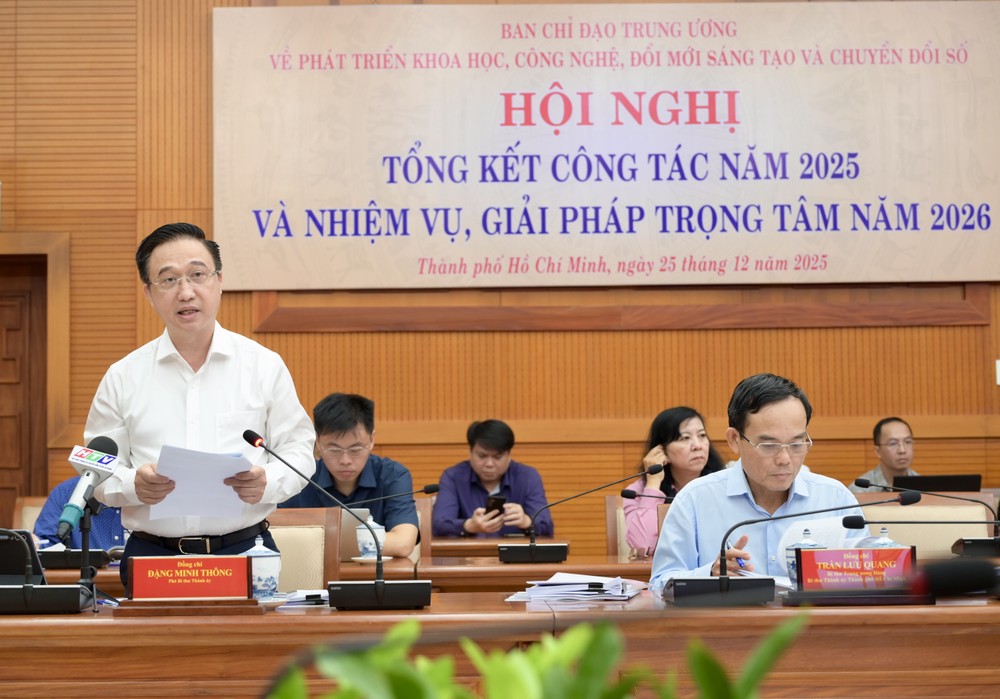
The Central Steering Committee for the Development of Science, Technology, Innovation, and Digital Transformation convened its year-end review for 2025 and outlined priorities for 2026 on the morning of December 25. The meeting was chaired by Party General Secretary To Lam, who also heads the Central Steering Committee.
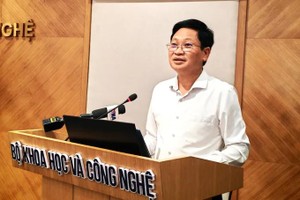
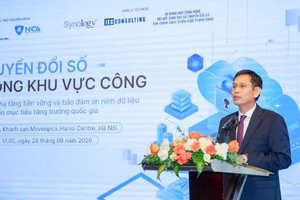
Addressing the conference, Mr. Dang Minh Thong, Deputy Secretary of the HCMC Party Committee, affirmed that the city has identified science and technology, innovation, and digital transformation as core pillars of development and the “backbone” of modern governance. According to Mr. Dang Minh Thong, advances in science and technology, the digital economy, and innovation have become key endogenous drivers of sustainable growth, while digital transformation must deliver concrete outcomes that directly improve services for residents and businesses.
“With the spirit of daring to lead, daring to take responsibility, and daring to create distinctive breakthroughs, HCMC is committed to implementing digital transformation substantively and effectively to better serve the public and the business community,” Mr. Dang Minh Thong said. “The city will act more decisively, innovate more boldly and operate more efficiently, upholding its locomotive role to pave the way for the new and make worthy, practical and sustainable contributions to Vietnam’s national digital transformation journey.”
Three strategic breakthroughs
Looking ahead, HCMC has proposed that the Central Steering Committee allow the city to pilot a low-altitude economy model and establish a data exchange platform in 2026.
The city will concentrate on three strategic breakthrough thrusts: completing digital infrastructure and smart governance; building institutions and innovation spaces to advance the digital economy; and unlocking capital flows while shaping new markets.
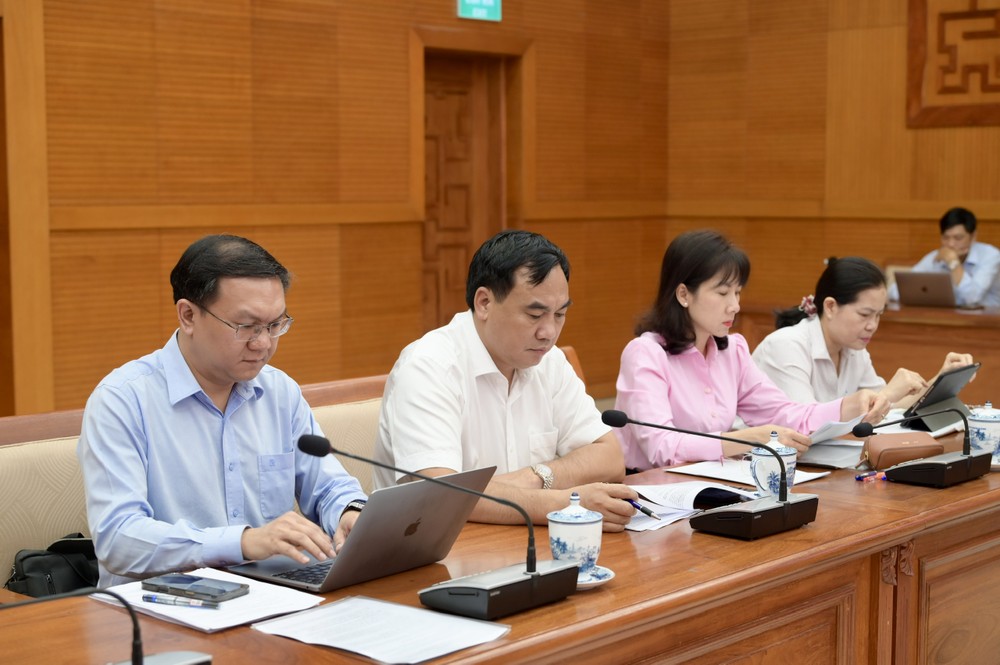
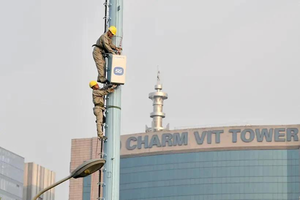
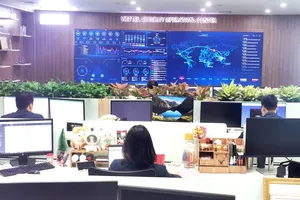
Priority will be given to developing 5G infrastructure, big data and artificial intelligence, strengthening centralized real-time governance, and improving the effectiveness of shared digital platforms across both government and Party bodies.
At the same time, HCMC plans to accelerate the commercialization of research outcomes and develop internationally oriented innovation centers in fields such as blockchain, fintech, and regulatory sandboxes. The city is also pursuing substantive, in-depth cooperation with major global technology corporations, including G42, AMD, and NVIDIA.
Notably, in 2026, HCMC expects to allocate nearly VND13 trillion to science and technology, equivalent to 4.2 percent of the city budget. In parallel, the HCMC Venture Capital Fund is scheduled to become operational from the first quarter of 2026.
The city is also redefining its role from regulator to “largest customer,” proactively commissioning 22 major problem statements in science and technology, innovation, and digital transformation. These include applications of unmanned aerial vehicles for environmental monitoring and urban transport management.
Nearly VND5.4 trillion for science and technology in 2025
In 2025, HCMC completed 166 out of 168 tasks under its implementation plan for Resolution 57-NQ/TW, with the remaining two tasks progressing on schedule.
The city allocated 1.84 percent of total budget expenditure to science and technology, innovation, and digital transformation, amounting to nearly VND5.4 trillion. Of this, more than VND2.2 trillion was invested in technology infrastructure for Party agencies, government bodies, and the Vietnam Fatherland Front of HCMC.
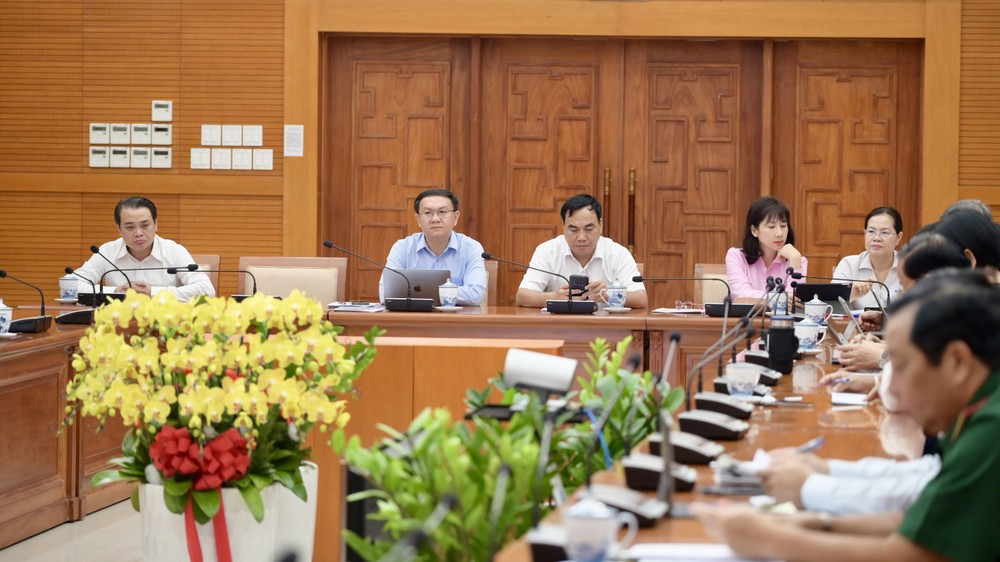
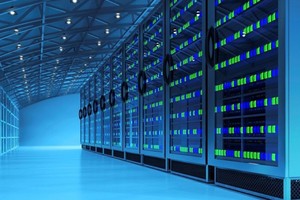
Digital infrastructure continued to expand, with 5G networks covering nearly 70 percent of the city’s area, alongside the establishment of 13 data centers and nine digital technology zones. HCMC attracted US$1.8 billion in foreign direct investment into high-tech sectors such as artificial intelligence, semiconductors, and data, accounting for 22 percent of the city’s total FDI inflows.
HCMC’s innovation ecosystem ranked among the top two nationwide in the Provincial Innovation Index in 2025, placed within the top five most dynamic startup ecosystems in ASEAN, and ranked among the world’s top 110.
The city currently hosts 55 incubators, nearly 2,000 startups, 143 science and technology enterprises, and three technology unicorns with a combined valuation exceeding $7.4 billion. HCMC is focusing on six strategic technology groups with 18 priority products, while investing in three centers of excellence approaching international standards at Vietnam National University–HCMC and the Saigon Hi-Tech Park.
Leading by example in digital transformation
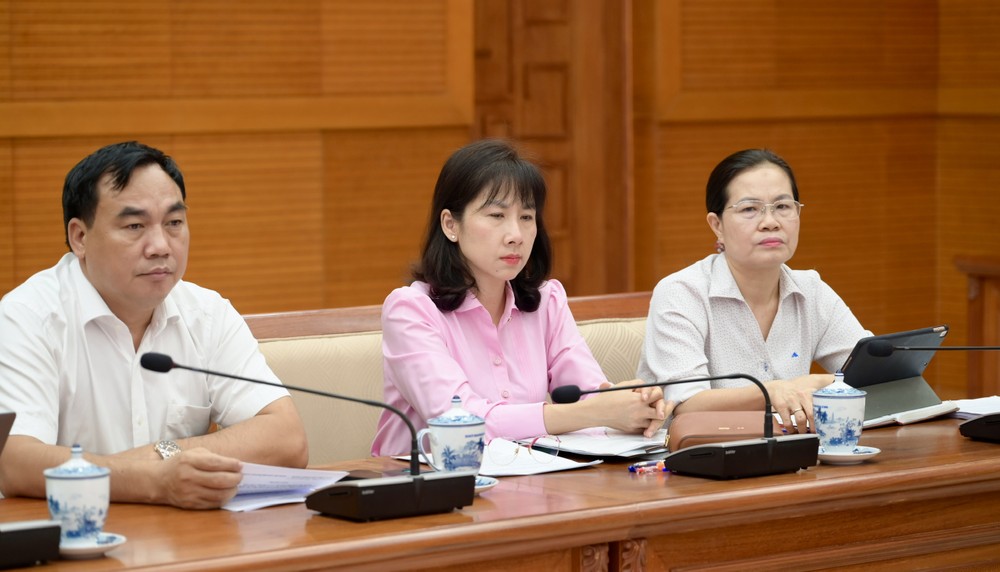
In digital transformation serving government operations and citizens, HCMC ranked second nationwide in 2025. The city successfully integrated the digital infrastructure of three localities following administrative mergers, ensuring smooth operations across 168 communes, wards and special administrative units.
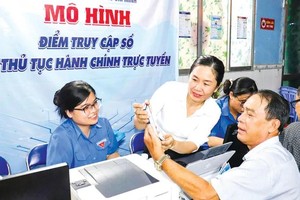
More than 20 shared digital platforms have been deployed, while 100 percent of administrative procedures are now processed without regard to administrative boundaries. The city has cut over 36.6 percent of procedures under its authority, with on-time case resolution rates reaching nearly 96 percent overall and more than 99.44 percent at the commune level.
HCMC has standardized nearly 14.8 million population data records, cleaned 7.4 million land records and integrated more than 3.1 million electronic health records into the VNeID platform. Party organizations have concurrently rolled out paperless meeting models, digital workflow software and a 15-day intensive campaign to clean data.
These efforts, city leaders stressed, underscore HCMC’s determination to lead from the front and set an example in advancing digital transformation nationwide.