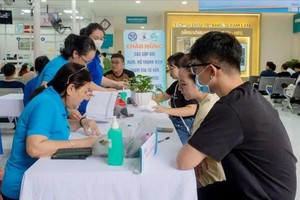
Ho Chi Minh City has launched two grant-funded projects worth more than VND68.5 billion (US$2.7 million) to strengthen disease forecasting and early warning systems, particularly for dengue fever, while expanding access to health care for children and vulnerable communities affected by climate change.
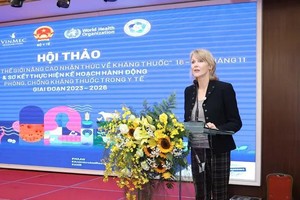
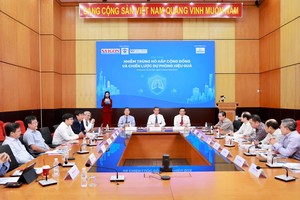
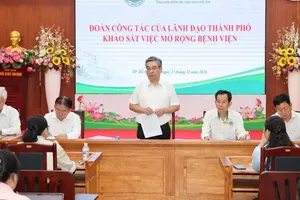
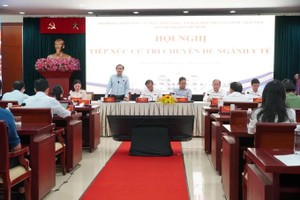
The municipal Department of Health held a launch and implementation workshop on November 26 for the two projects, funded by Save the Children International (SCI). The initiatives aim to protect public health, particularly that of disadvantaged children and families, from climate-related disease threats.
Speaking at the event, Mr. Nguyen Tang Minh, Deputy Director of the municipal Department of Health, said climate change was increasingly affecting public health and heightening the risk of disease outbreaks, particularly dengue fever in major urban centers such as Ho Chi Minh City.
Children, disadvantaged families, low-income migrant workers, informal-sector workers, and people with disabilities are among the groups most vulnerable to disease outbreaks. They also face significant barriers to accessing health care, he said.
In response, the municipal People's Committee approved the acceptance of two non-refundable grants from SCI. Both projects will be implemented in six localities: Hiep Binh Ward, An Hoi Tay Ward, Hiep Phuoc Commune, Hung Long Commune, Cu Chi Commune, and Tan Vinh Loc Commune.
The first project, titled "Improving Access to Comprehensive Health Protection Services for Children and Families in Difficult Circumstances Facing Climate-Related Disease Risks in Ho Chi Minh City," is managed by the city's Center for Social Work and Vocational Education for Youth, with grant funding exceeding VND28.8 billion.
It will cover essential expenses to help disadvantaged children and their families access health care, while improving financial management knowledge and access to suitable health insurance solutions. The project aims to reach 50,000 residents through public awareness campaigns and provide direct assistance to 4,000 vulnerable people.
The second initiative, "Strengthening Community Resilience to Climate-Related Disease Risks," is managed by the Ho Chi Minh City Center for Disease Control (HCDC). With funding exceeding VND39.7 billion, it will run from 2026 to 2028.
Its main priorities include upgrading early warning systems (EWS), applying the DART model to integrate climate data for forecasting and detecting potential dengue outbreaks, developing digital platforms, strengthening epidemiological surveillance, and conducting community-based disease response drills.
The project also aims to train 80 key health workers at both municipal and grassroots levels, benefiting approximately 790,000 residents in the target areas.
Mr. Nguyen Tang Minh described the integration of preventive health care, early disease warnings, social welfare, child protection and financial assistance for vulnerable groups as a key strategic feature of the two initiatives. Successful approaches and lessons learned could provide a basis for expanding the models to other parts of the city.
To ensure effective, transparent and timely implementation, the Ho Chi Minh City Department of Health urged participating agencies to coordinate closely with SCI and other partners, follow approved project documents and ensure assistance reaches the intended beneficiaries without duplicating existing State health insurance policies.
It also stressed strict professional oversight of disease surveillance, prevention, and public health communications, as well as compliance with personal and medical data protection regulations. Parental or guardian consent must be obtained for activities involving children.
Local authorities, commune- and ward-level health stations, government departments, mass organizations, research institutes, and schools were also urged to strengthen coordination and address implementation challenges promptly to ensure the projects' sustainability.
The workshop also featured the formal launch of both initiatives, an exhibition on climate change's impact on public health, and discussions on implementation challenges, solutions, and opportunities to sustain and expand the models.

)