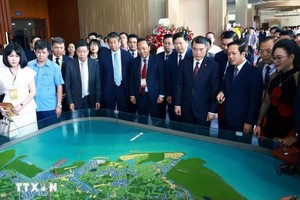
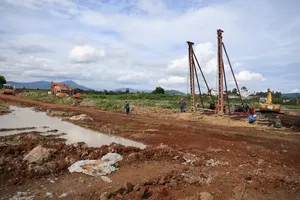
According to local plans, Long Thanh International Airport will open for commercial flights by mid-2026, unlocking opportunities for a modern urban expansion not only in Dong Nai Province but across Ho Chi Minh City and surrounding provinces. Coordinated regional planning and accelerated infrastructure development are essential to maximize the airport’s transformative potential.
Strategic urban growth for the Southeastern region
Mr. Vo Van Minh, Member of the Party Central Committee and Chairman of the Ho Chi Minh City People’s Council, highlighted the city’s role as the core of regional and national transport networks, serving as an international trade gateway and the country’s largest economic, financial and service hub.
Ho Chi Minh City’s growth is linked to the broader regional space, with the city as the nucleus. The Chairman of the Ho Chi Minh City People’s Council said that investment in urban transport systems and connecting Long Thanh Airport will create a strategic economic and social growth driver in this new era.
Enhanced connectivity between the city and the airport will shorten travel times, expand urban development space, and allow Ho Chi Minh City to restructure growth patterns, reducing pressure in the inner city. It will also promote high-quality service industries such as logistics, finance, tourism, and international trade, while encouraging satellite cities and new industrial-service zones.
The Ben Thanh – Can Gio Metro Line is a key breakthrough project, linking the Can Gio eco-economic zone directly to the city’s modern urban transport network. It is expected to boost tourism, services, marine economy, and logistics, improve access to jobs, healthcare, and education for residents, and support balanced, sustainable regional development.
Economic corridor planning in Dong Nai
Ms. Ton Ngoc Hanh, Standing Deputy Secretary of Dong Nai Province Party Committee, stressed the need for a long-term vision. The local authorities are building an economic corridor from Hoa Lu International Border Gate to Long Thanh Airport and the new Dong Nai Administrative Center. This strategic plan looks beyond the 2025–2030 term.
The province is developing road and rail links to shorten travel times between Long Thanh International Airport and Cambodia, Laos and Thailand. Other strategic routes include National Highway 14C, connecting Lam Dong Province through Dong Nai and Tay Ninh Province, designed to enhance regional integration.
Maximizing growth potential through connectivity
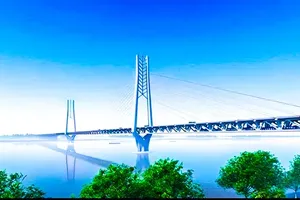
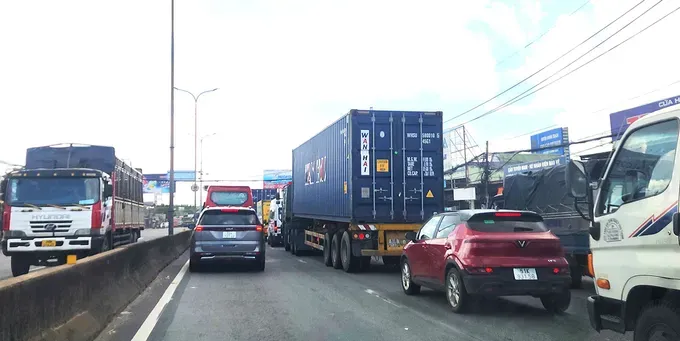
Professor Tran Hoang Ngan, Chairman of the Advisory Council at Saigon University, emphasized that accelerating the infrastructure connecting Long Thành Airport will drive Ho Chi Minh City’s growth. Key projects include the Bien Hoa – Vung Tau Expressway, Cat Lai Bridge and Can Gio Bridge. Efficient access to Can Gio Port and Cai Mep – Thi Vai International Port could boost the city’s logistics center contribution to GRDP by up to 15 percent, or 20 percent, including tourism.
Over the past decade, Ho Chi Minh City’s economic growth has slowed, with infrastructure and institutional bottlenecks identified as key constraints. With supportive resolutions and ongoing investment in regional connectivity, including Ring Roads 3 and 4, expressways, national highways, and metro lines linking the airport to urban cores, Ho Chi Minh City aims to accelerate growth and lead the region into a new era of double-digit economic expansion.