In early July, a spontaneous garbage dump near Nguyen Thi Pha Street in Dong Thanh Commune wreaked havoc on the local environment, spilling domestic waste directly onto the walkway. Seeing that, residents snapped photos and submitted complaints via the commune’s Zalo page. The authorities immediately forwarded the information to specialized units for prompt processing.
From a minor digital complaint, it’s quite evident that clearing interaction channels between the government and citizens allows grassroots issues to be handled much more rapidly. This represents a highly specific task to actualize the pressing requirement of building smart rural areas, strictly aligning with Politburo Resolution 09 regarding HCMC’s development in the new era.
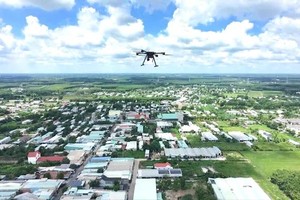
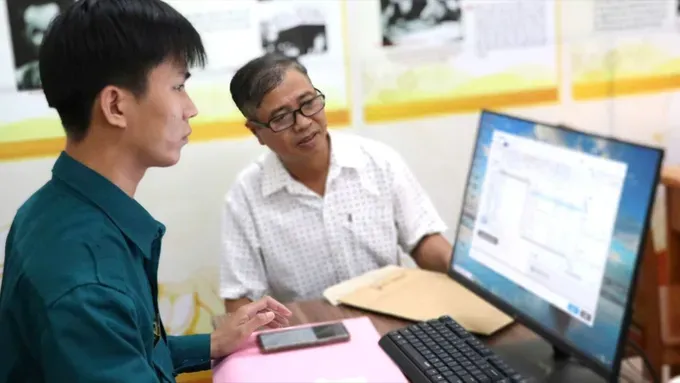
For Vice Chairman Nguyen Le Trong Tam of the Dong Thanh Commune People’s Committee, deploying this model means heavily focusing on digital platforms to adequately serve the public. He explained that community tech teams are operating in every hamlet, carefully guiding dwellers there to utilize digital applications to gradually form a robust contingent of “digital citizens.”
The commune also applies technology to ensure security through surveillance cameras, while simultaneously integrating it into the rural economy. They don’t just stop there; officials closely coordinate with specialized agencies to enthusiastically support locals in listing OCOP (One Commune One Product) goods on bustling e-commerce platforms for economic growth.
According to the Vice Chairman, building smart rural areas ultimately aims to tremendously elevate the people’s quality of life. Therefore, the commune maintains Official Zalo Accounts for each hamlet, which significantly helps authorities broadcast guidelines and disaster warnings. Concurrently, this network swiftly processes complaints regarding infrastructure and civilian life, substantially forging a highly livable, intelligent, and modern countryside.
Given vastly different natural characteristics and urbanization speeds, each ward and commune in HCMC is carefully selecting a suitable pathway to meticulously build smart rural areas.
For instance, the Party Committee and local authorities in Binh Gia Commune chose to forcefully develop high-tech agriculture tightly linked with digital transformation. Starting from organic cocoa growing areas, the locality is step-by-step shaping its production along a robust value chain inextricably tied to current market demands.
Notably, the HCMC People’s Committee officially decided to establish seven high-tech agricultural zones. Spanning a massive 383 hectares, the Binh Gia Zone is highly expected to become a dynamic nucleus for attracting corporate investments, expanding technological applications, and steadily actualizing a smart rural landscape.
For Chairwoman Nguyen Thanh Thuy of the Binh Gia Commune People’s Committee, progress is well underway. She stated that they’ve successfully established concentrated production areas for key crops, linking numerous OCOP products to comprehensive consumption systems. Moving forward, they plan to develop new-style cooperatives tied to the digital and green economies, expand agricultural consumption on e-commerce platforms, and actively cultivate agricultural tourism.
Meanwhile, Hoa Hiep Commune holds distinct advantages thanks to a rock-solid foundation of high-tech agriculture forged over many years. Leveraging existing strengths seemingly pays off. The locality has successfully established multiple high-tech production zones, most notably the Bau May pepper production chain. This prestigious five-star national OCOP product is precisely managed under strict traceability processes and proudly exported to demanding markets.
According to Hoa Hiep leaders, their upcoming rural development program will focus on attracting enterprises to invest heavily in high-tech agriculture. In the end, expanding production linkages will vigorously develop standardized raw material areas, ultimately creating a robust foundation to build smart rural areas.
Chairman Nguyen Thanh Trung of the HCMC Farmers’ Union views building smart rural areas as a paramount mission, with hardworking farmers invariably playing the central role. To get the ball rolling, one core focus is substantially elevating farmers’ capacities so the union can faithfully accompany grassroots authorities to flawlessly execute the task at hand.
Currently, they’re heavily boosting coordination with universities and enterprises to actualize these new development criteria. They’re determinedly pushing digital skills training, steadily cultivating a strong generation of “digital farmers” capable of applying green tech directly into their daily production. The union also plans to carefully select suitable localities to pilot the model before replicating it massively.