The event at the HCMC Opera House was organized in collaboration with UNESCO Vietnam, the Vietnam Film Development Promotion Association (VFDA), and BHD Company. Attendees included Nguyen Thi Thanh Thuy, Deputy Director of HCMC Department of Culture and Sports; Pham Thi Thanh Huong, Head of Culture at UNESCO Vietnam; and Nguyen Thi Hau, Secretary General of the Ho Chi Minh City Historical Science Association.
The forum themed ‘Developing Cultural and Film Industries in Conjunction with Tourism and Heritage Conservation: Insights from the film Ho linh trang si and Development Opportunities for Ho Chi Minh City—A UNESCO-Recognized City of Film’ focused on integrating heritage values into cinema, from film production practices to policy orientation and the development of a cultural-tourism ecosystem. It was part of the cultural-cinema program “Golden legacy – Vietnamese cultural fragments of the 10th century” and the film “Guardian warrior – Mystery of King Dinh’s tomb”, held from September 5 to 10.
Two in-depth sessions examined solutions for linking heritage with cinema through artistic approaches and sustainable policy development. The first session, “Film development tied to heritage preservation: Insights from Ho linh trang si,” featured historians, art designers, and filmmakers discussing interdisciplinary collaboration in bringing historical material to the screen.
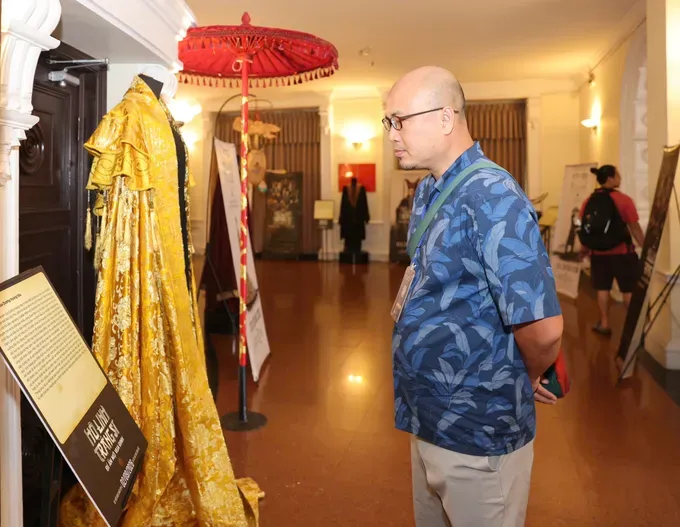
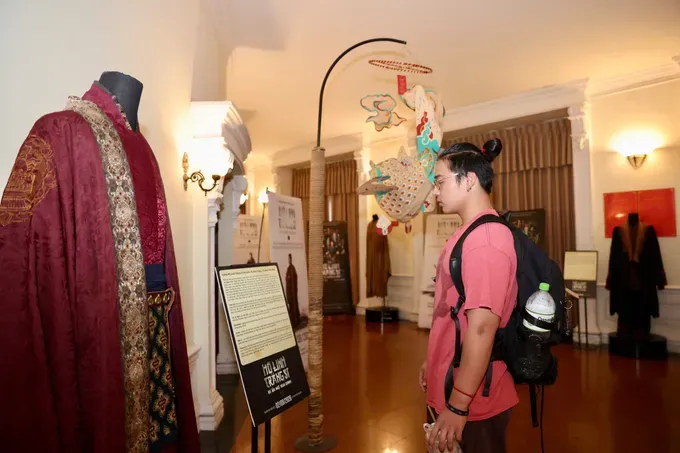
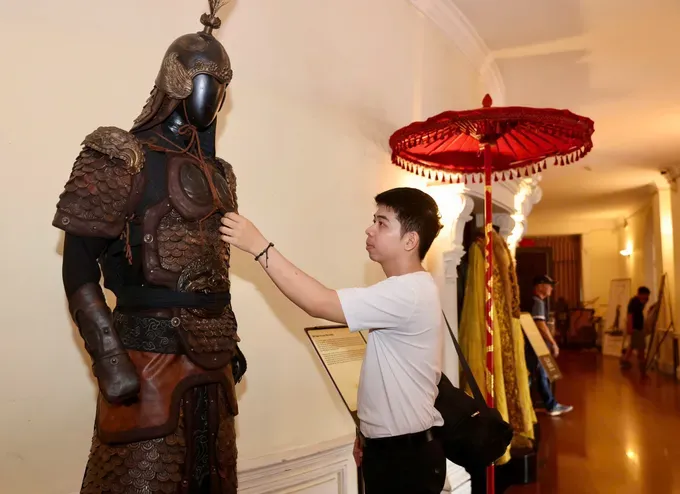
Challenges included ensuring authenticity of 10th-century historical sources while creating a creative space suited to contemporary cinematic language. From the experience of the film Guardian warrior, the forum highlighted processes of researching and reconstructing ancient costumes, weapons, and art based on museum artifacts, transforming them into vivid cinematic images.
Speakers emphasized that cinema can serve not only as a storytelling medium but also as a bridge connecting heritage with the public, particularly younger generations. Translating intangible heritage into contemporary artistic language was seen as a way to make history and culture more engaging.
The second session, “Opportunities to bring local culture and heritage into HCMC’s films – UNESCO Creative City of Film”, focused on professional and policy solutions. Discussions covered the use of Southern traditional costumes and art in cinema, policies to connect film with tourism, and leveraging international resources and experiences in developing the heritage-film-tourism value chain within the creative cities network.
On the morning of September 9, the HCMC Opera House also hosted a direct exchange between the Guardian warrior film crew and students. The program allowed students to view documentary excerpts on national cultural heritage and engage directly with researchers, producers, and artists.


)