The surge in input costs is driving up Vietnam’s import bill even when the volume of components imported remains unchanged.

At a seminar on improving the quality of import-export growth held on October 8 by the Ministry of Industry and Trade’s Cong Thuong Magazine, Ms. Trinh Thi Thu Hien, Deputy Head of the ministry’s Agency of Foreign Trade, said higher prices for electronic components and production inputs were among the main factors behind the sector’s rising imports.
According to the department, a company that imported 1,000 chips last year and continues to import the same quantity this year could still record a substantially higher import value because of soaring chip prices. Volatility in input costs is therefore contributing to higher import turnover without a corresponding increase in import volumes.
Companies are also building up inventories amid concerns over potential shortages of production inputs. Some have stockpiled materials through March 2027, while inventory cycles at some businesses have doubled from six to 12 weeks.
At certain companies, the value of inventories and accumulated raw materials has increased sharply, from about US$100 million to US$700 million, reflecting efforts to secure supplies amid growing uncertainty in global production and supply chains.
The electronics sector’s import growth is also being driven by expanded manufacturing capacity. Samsung Electronics’ Thai Nguyen operation, for example, is expanding with an additional investment of US$1.8 billion. Intel has shifted some production activities from Costa Rica to Vietnam, while BYD, the Chinese battery and electric vehicle manufacturer, is expanding production and increasing the capacity of its plant in Phu Tho Province.
These developments come as Vietnam’s total merchandise trade reached more than US$888 billion in the first nine months of the year, up 30.4 percent from the same period last year. Exports rose 24.5 percent, while imports increased by 36.7 percent, resulting in a merchandise trade deficit of US$19.42 billion.
Ms. Trinh Thi Thu Hien said most imports were production-related. Production inputs accounted for US$426.92 billion, or 94.1 percent of total imports. Machinery, equipment, tools, and spare parts made up 58.3 percent, while raw materials, fuels, and other production materials accounted for 35.8 percent.
Mr. Phan Duc Hieu, a full-time member of the 16th National Assembly’s Economic and Financial Committee, said the key issue was not simply the scale of trade or the trade balance, but Vietnam’s ability to convert imported resources into domestic production capacity, finished products, and higher value added.
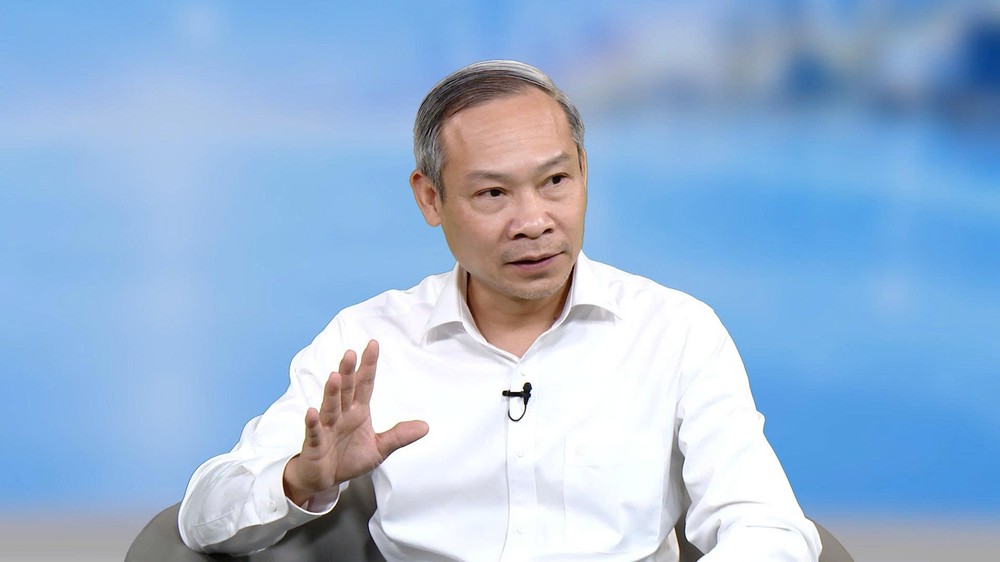
He called for targeted programs to connect domestic companies with foreign-invested enterprises and help local businesses strengthen their production capabilities.
Developing supporting industries and expanding domestic supplies of components, materials and equipment were identified as key priorities, alongside stronger links between Vietnamese companies and the foreign-invested sector.
Ms. Do Thi Thuy Huong, Vice Chairwoman cum Secretary General of the Vietnam Electronic Industries Association (VEIA), said domestic companies needed to strengthen their technological capabilities, quality management, and compliance with international standards to participate more deeply in global supply chains.

In the longer term, imports, production, and exports need to be integrated into a continuous cycle. Imported machinery, equipment, raw materials, and components should be transformed into domestic production capacity, new products, and greater value added, gradually strengthening local supply chains and improving the competitiveness of Vietnamese businesses.