On March 18, as many businesses reported prolonged shipping times due to vessels rerouting to avoid the Red Sea and the Suez Canal instead traveling around the Cape of Good Hope, the risk of localized empty container shortages is beginning to surface.
A recent survey released by the Vietnam Logistics Business Association, covering 49 companies, indicates that logistics firms are being affected by tensions in the Middle East and maritime security risks in the Red Sea. More than half of respondents rated the impact as severe, citing not only rising freight rates and surcharges but also significantly extended transit times due to route adjustments by shipping lines.
On Asia–Europe routes, rerouting via the Cape of Good Hope may extend transit times by seven to ten days, slowing container circulation and heightening the risk of equipment shortages at certain export hubs. Nevertheless, supply chain participants indicate that such shortages remain localized at this stage.
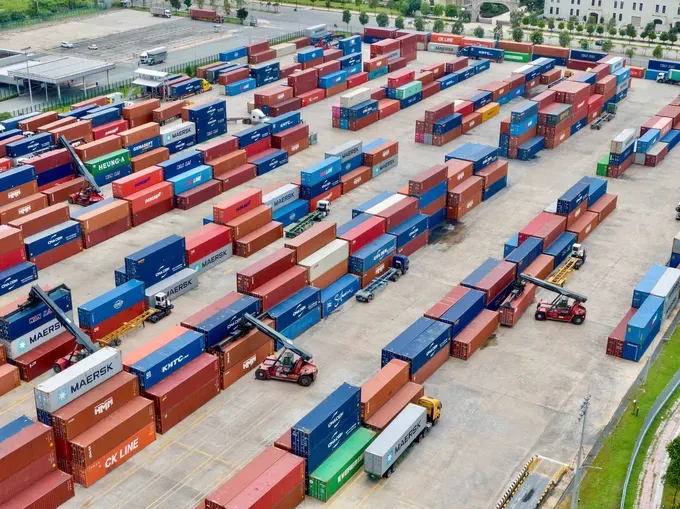
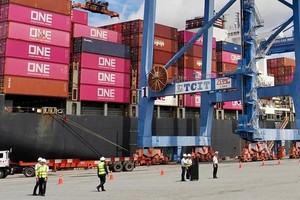
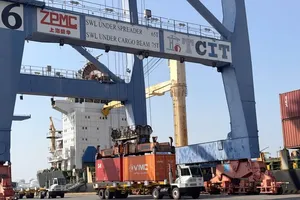
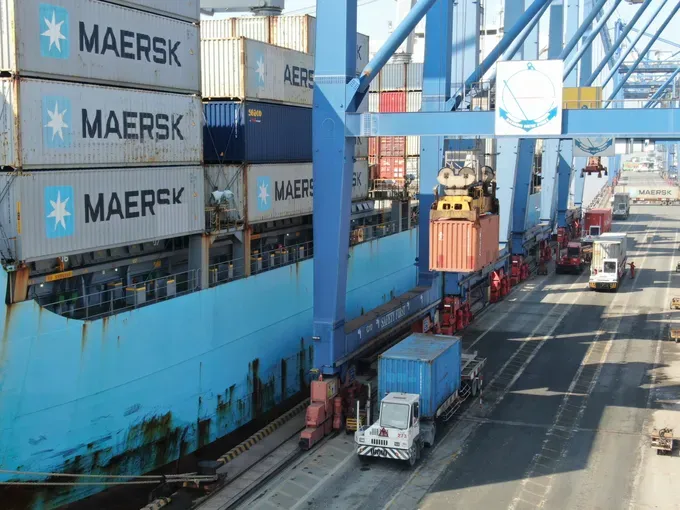
Reported by Sai Gon Giai Phong Newspaper, the Cai Mep port cluster shows no signs of an empty container shortage. A representative of Saigon International Container Terminal said that container pickup and return operations continue as normal, fully meeting the needs of import-export businesses. The terminal has not raised service fees for empty containers and is monitoring market developments and fuel prices for appropriate adjustments.
Similarly, representatives of Tan Cang - Cai Mep International Terminal confirmed that empty container volumes at yards remain abundant, without shortages reported. At Cai Mep International Terminal, operations are also stable, and shipping lines continue to ensure equipment availability according to delivery schedules, while the port maintains its role in transshipment and container handling.
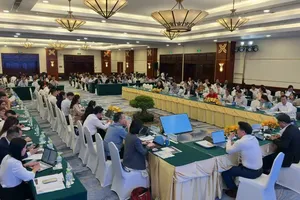
Mr. Ngo Khac Le, Vice Chairman of the Vietnam Logistics Business Association, noted that logistics is increasingly becoming a core competitive advantage of the economy. Amid rising supply chain risks, failure to upgrade logistics capacity could lead to higher transportation costs, increased delivery risks, and reduced ability for businesses to integrate deeply into global value chains.
From an industry perspective, the Vietnam Logistics Business Association advocates greater integration of trade and logistics data to improve market transparency, encompassing port systems, transport corridors, freight rate dynamics and green transition demands.
The unit also called for stronger connections between domestic logistics firms and international networks, alongside linking trade promotion with logistics services promotion.
In addition, early warning systems for supply chain risks, including port congestion, route changes, and policy shifts, are seen as vital for helping businesses manage production, transport, and exports more proactively.
According to the Vietnam Logistics Business Association, the business community will continue investing in digital transformation, green logistics, and workforce development, contributing to lower costs, improved competitiveness and sustainable export growth in 2026.