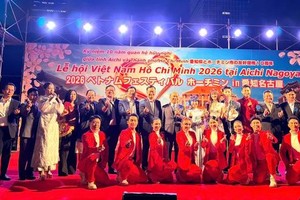
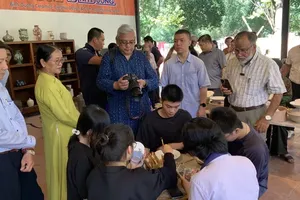
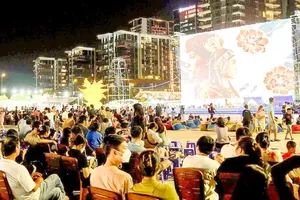
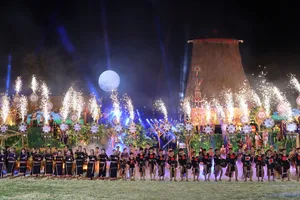
Where are festivals taking place? What art performances are scheduled for the weekend? Where can visitors experience traditional crafts? These details are now brought together on the Vietnam Cultural Digital Map (CMAP), developed by the Ministry of Culture, Sports and Tourism, enabling residents and visitors to easily find destinations and plan their cultural journeys.
Connecting destinations and unlocking cultural experiences
At cmap.vn, residents and visitors can search for information about cultural and artistic programs, including their schedules; view locations on a map, get directions, and explore available promotions.
Rather than having to gather information from multiple sources, visitors can now choose destinations and arrange itineraries based on their available time and personal interests.
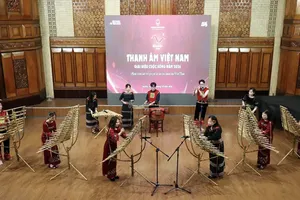
According to software development specialist Vu Quoc Trung, data on CMAP is directly managed and updated by local authorities. This approach enables information to be added at the local level, including details of smaller-scale activities such as performances at cultural centers and traditional craft village festivals.
These events have traditionally served mainly local communities and received limited exposure among tourists. Their inclusion on the digital map, however, gives them an opportunity to reach a wider audience, particularly visitors seeking authentic cultural experiences in the areas they visit.
From a tourism perspective, Nguyen Hong Hai, Vice Chairman of the Vietnam Tourism Association, said the digitization of cultural data would make it easier for visitors, particularly international tourists, to design their own itineraries. For travel businesses, the platform also provides a valuable source of information for identifying destinations and developing specialized tourism products.
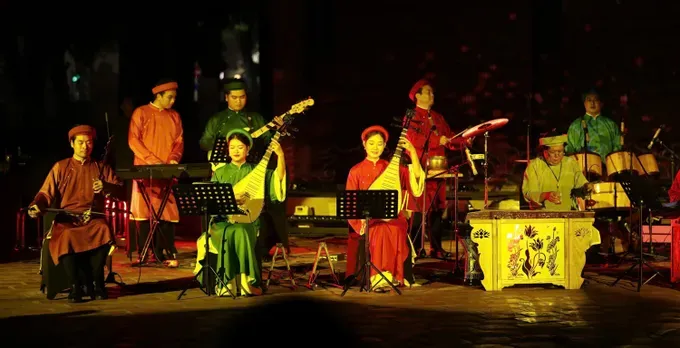
Visitors arriving in a locality who wish to learn about royal court music, quan ho folk singing, or local culinary culture, for example, often find it difficult to access official information. With a digital cultural map, these experiences will become more convenient and accessible, Nguyen Hong Hai said.
Bringing information together on a single platform is also particularly significant for cultural management. Le Xuan Kieu, Director of the Center for Cultural and Scientific Activities at the Van Mieu Quoc Tu Giam (Temple of Literature), said that comprehensive, interconnected data would give management agencies a better basis for monitoring the distribution of cultural activities and destinations, thereby enabling them to plan their use and allocate resources more effectively.
Bringing local cultural values to a wider audience through digital platforms
For traditional craft villages and community cultural activities, having an additional promotional channel also creates more opportunities to attract visitors.
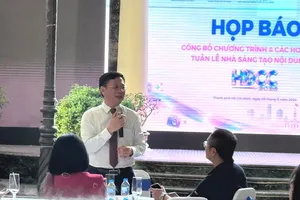
For the Vietnam Cultural Digital Map to deliver its full potential, local authorities and cultural institutions need to take the initiative in providing accurate and comprehensive information, assigning specific personnel to oversee updates, and maintaining this work on a daily basis. Every entry must clearly inform the public where an activity takes place, when it is held, and how people can participate, according to Minister of Culture, Sports, and Tourism Lam Thi Phuong Thanh.
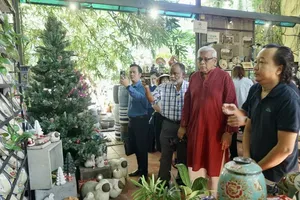
Artisan Ta Thu Huong from Chuong conical hat-making village in Hanoi said that bringing information about traditional craft villages onto digital platforms would give more international visitors the opportunity to discover traditional products, visit these destinations, and experience the daily lives of residents. As a result, places that rarely feature in conventional tour programs could gain wider recognition.
A centralized information source could also help content creators identify story ideas and discover lesser-known cultural destinations and stories. However, to ensure that the information is genuinely useful, uploading data to the map must go hand in hand with regular verification, supplementation, and updates.
An event that has already ended, a venue that has changed its operating schedule or outdated contact information could all disrupt visitors' travel plans. Only when visitors know what a destination offers and when activities take place can they make informed choices, while businesses can develop tourism products that meet their needs.
From the perspective of promoting Vietnamese culture internationally, Le Thi Hong Van, Director General of the Department of Foreign Affairs and Cultural Diplomacy under the Ministry of Foreign Affairs, described the development of the digital map as a timely initiative. By bringing cultural information together, organizing it systematically, and making it readily accessible, the platform provides international audiences with another channel through which to learn about Vietnam, its people, and its cultural identity.
However, the appeal of this information must be sustained through actual cultural activities and regularly updated content.
A map may display hundreds or even thousands of destinations, but its value ultimately depends on whether the information remains accurate and helps users find the places they want to visit. With consistent data maintenance, cultural destinations ranging from urban centers to traditional craft villages and rural communities will have greater opportunities to connect with the public.