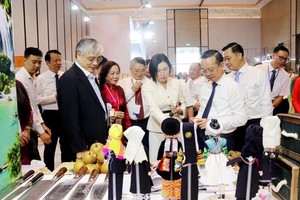
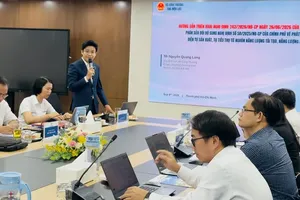
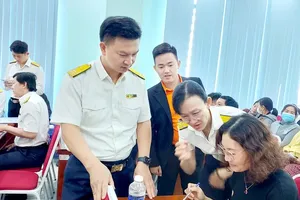
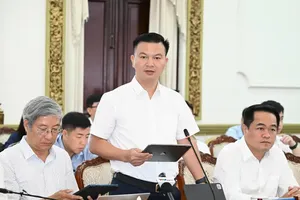
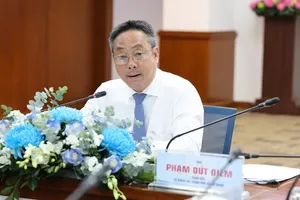
Leaders from the Ministry of Industry and Trade had a working session with associations and industry representatives to assess the impact of Middle East tensions on production, business activities and consumption on the morning of March 17 in Ho Chi Minh City.
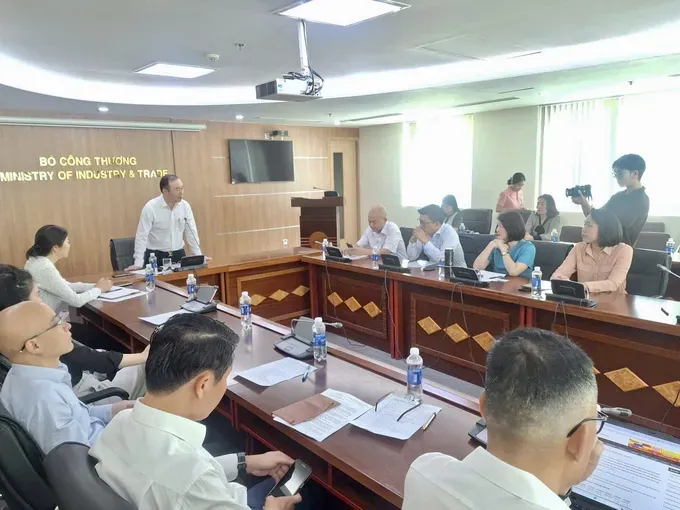
During the session, Mr. Vu Dinh Tuan, Head of Business at Ca Mau Fertilizer Company, noted that the Middle East supplies about 33 percent of global urea output, raising concerns about potential supply disruptions and sharp price increases, which have at times reached as high as US$700 per ton.
Oil price fluctuations have simultaneously driven up input costs, with every US$10 increase adding around VND525 billion (US$20 million) to Ca Mau Fertilizer’s gas expenses.
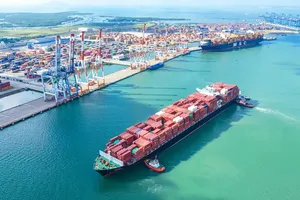
Meanwhile, both international and domestic logistics costs have surged by 15 percent to 30 percent, creating dual pressure on businesses. As Vietnam still relies on imports for certain fertilizers such as potassium and DAP, domestic prices are likely to rise, despite companies’ efforts to avoid placing additional burdens on farmers.
From another perspective, Mr. Vu Khanh Thien from Phu My Fertilizer’s business division said domestic urea supply remains largely stable, with a capacity of about 2.8 million tons per year, even allowing for exports. However, due to the market’s high openness, domestic prices are still influenced by global trends, currently rising by 40 percent to 50 percent, while local prices have increased by around 20 percent thanks to price control efforts. Rising gas input costs linked to global markets continue to put pressure on maintaining both price stability and production.
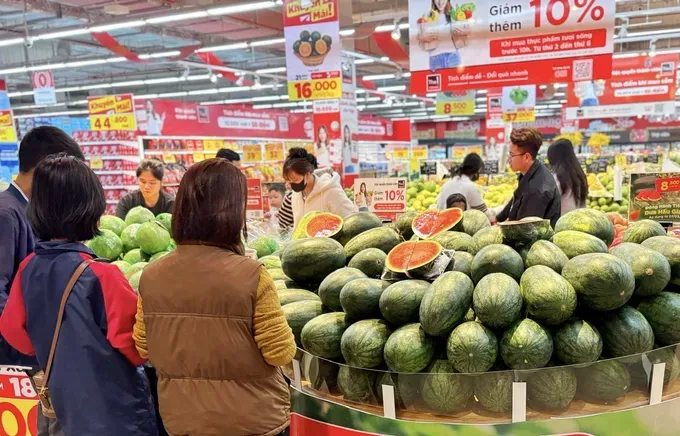
In the retail sector, Ms. Nguyen Thi Thu Hien, Director of External Affairs at Central Retail Vietnam Group, said that consumers are tightening their spending. Meanwhile, businesses are facing a 15 percent increase in operating costs, with many suppliers proposing price hikes of 10 percent to 20 percent, and 5 percent to 20 percent for food products.
To ease pressure, businesses have proposed further reductions in environmental protection taxes on fuel, maintaining VAT at 8 percent, extending tax payment deadlines, and considering lower import duties on essential goods.
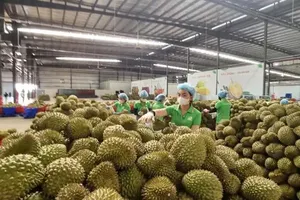
Similarly, Mr. Nguyen Minh Tam, Category Director at WinCommerce, noted that rising logistics and input costs are directly affecting retail prices. The company has proactively worked with suppliers to control prices, with expected adjustments ranging from 5 percent to 20 percent depending on product categories, while also increasing promotions to sustain purchasing power. Market data also shows more cautious consumer behavior, with a preference for essential goods and products of clear origin. Domestic goods, especially agricultural products, are gaining a competitive edge.
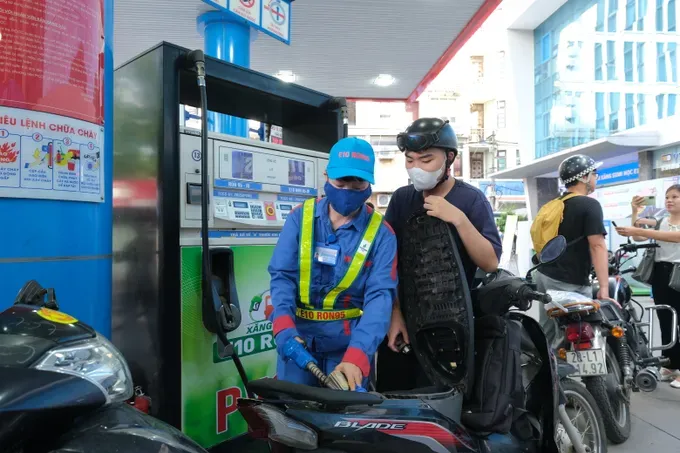
From a regulatory perspective, Nguyen Nguyen Phuong, Deputy Director of the Ho Chi Minh City Department of Industry and Trade, said that the city is stepping up oversight to ensure stable supplies of fuel and liquefied gas for production and consumption. At the same time, the department is working with e-commerce platforms to help businesses expand exports and use transit warehouses to cut logistics costs.
Free trade agreements remain underutilized, with just 20 percent to 30 percent of businesses making effective use of them. More guidance and efforts to remove legal obstacles are needed to foster a stable business climate.
Concluding the working session, Mr. Phan Van Chinh, Deputy Director General of the Domestic Market Management and Development Department under the Ministry of Industry and Trade, said that businesses are facing major challenges, including logistics cost increases of 15 percent to 30 percent, export costs rising to US$2,000 to US$4,000 per container, as well as issues related to mechanisms, taxes, capital, and market information. Without solutions to reduce costs, achieving double-digit growth targets will be difficult. The department will act as a focal point to compile recommendations, coordinate with relevant ministries and agencies, and report to the Ministry of Industry and Trade and the Government for timely support.