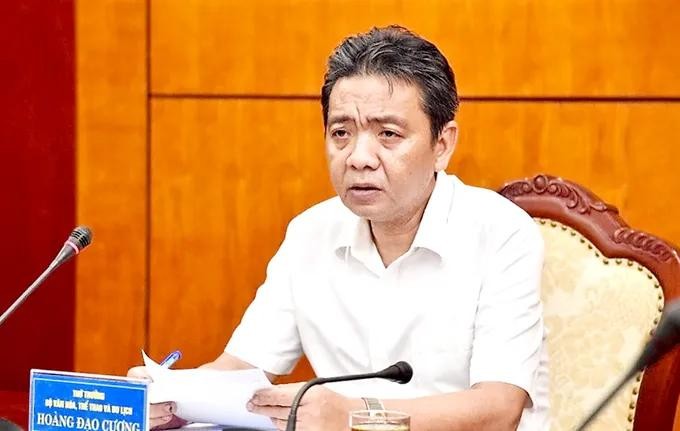
In a talk with reporters from SGGP newspaper, Deputy Minister of Culture, Sports and Tourism Hoang Dao Cuong shared directions to harmonize conservation and development.
According to Deputy Minister Hoang Dao Cuong, the consistent view of the Ministry is that heritage management must comply with the Cultural Heritage Law, UNESCO’s 1972 Convention, and implementation guidelines to protect outstanding universal value, integrity, and authenticity.
The 2024 Cultural Heritage Law and guiding decrees added regulations on managing, protecting, and promoting world heritage. Decree 208/2025/ND-CP requires heritage impact assessments for socio-economic projects in heritage zones and buffer areas, and sets rules for construction and renovation related to heritage.
The Ministry has reviewed the preservation and restoration plan for the Hue Imperial Relics Complex and the conservation project for Hoi An Ancient Town. These plans identify current and potential risks to heritage values and propose specific solutions, including technical infrastructure development.
The Deputy Minister of Culture, Sports and Tourism added that the 2024 Cultural Heritage Law and related decrees specify rules for repairing, renovating, and building houses in heritage zones, while delegating implementation to local authorities. The regulations aim to improve residents’ living conditions while protecting heritage values, preventing negative impacts on landscapes, original elements, and the environment. Preservation must be community-based, balancing legitimate daily needs with conservation requirements.
Housing preservation and restoration in heritage zones are carried out through local programs and resources, with participation from the State, communities, and socialized funding. The Ministry will continue working with other ministries and localities to find solutions that ease difficulties for residents while ensuring heritage protection and improved quality of life.
Heritage is an invaluable resource handed down by ancestors and gifted by nature, Deputy Minister Hoang Dao Cuong said. The Party and State’s consistent view is to preserve and promote heritage values to enrich Vietnam’s cultural identity. Every citizen, community, and management agency must take responsibility for protecting and enhancing heritage.
He revealed that the Ministry will push digital transformation in destination management, visitor capacity control, and tourist flow distribution; study mechanisms to reinvest tourism revenue effectively into preservation, restoration, and promotion; and ensure benefits are shared among the State, businesses, and local communities.
In the face of urbanization, climate change, and modern life pressures, the fundamental solution is harmonizing preservation and promotion of heritage for sustainable development. Deputy Minister Hoang Dao Cuong Cuong noted that heritage and urbanization do not exclude each other. With good planning and governance, heritage can shape urban identity, enhance city value, and become a resource for sustainable growth.