Once the breadwinner of his family, 31-year-old Nguyen Van Trieu from Ho Chi Minh City’s Binh Khanh Commune fell into despair after being diagnosed with end-stage kidney failure requiring lifelong dialysis. His wife now juggles hospital visits and caring for their three children, relying on relatives for financial support.
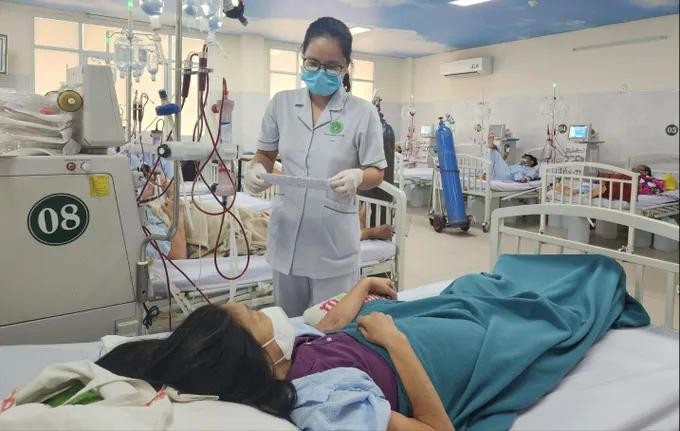
At first, the couple had to travel dozens of kilometers into central Ho Chi Minh City for dialysis, they are costly and exhausting trips. Later, the establishment of a dialysis unit at Can Gio Medical Center brought immense relief to patients like Trieu, who could finally receive treatment closer to home.
According to Dr. Nguyen Thi Minh Trang of the Endocrinology–Nephrology–Dialysis Department at Le Van Thinh Hospital, the number of dialysis patients has been steadily rising at most healthcare facilities. “Previously, the hospital handled three dialysis shifts per day. In 2025, we had to add a fourth shift to serve about 250 patients, and we’re even considering a fifth,” she said. Patients in the late-night fourth shift often return home near midnight, utterly drained.
This rising demand also strains healthcare workers, who must extend their working hours. Young adults now account for nearly 15 percent of dialysis patients at the hospital, with several cases under 30 — a sign that kidney disease, once considered a condition of the elderly, is striking the young.
Dr. Bui Thi Ngoc Yen, Deputy Head of the Endocrinology–Nephrology Department at Nhan Dan Gia Dinh Hospital, noted that the trend toward younger kidney patients stems from lifestyle-related disorders: early-onset hypertension, diabetes, obesity, and metabolic syndrome — fueled by sedentary habits and processed fast foods. Environmental pollution, recurrent infections, and extreme heat also contribute.
At Nhan Dan Gia Dinh Hospital, most young patients are diagnosed late, when kidney function is severely compromised and medical therapy is no longer effective. Many arrive in emergency condition, suffering from acute pulmonary edema, hypertensive crises, severe uremia, or dangerously high potassium levels requiring urgent dialysis.
The silent progression of kidney disease makes early detection difficult. Dr. Bui Thi Ngoc Yen warned that young people tend to underestimate health problems, so many only find out when the disease is already advanced. She continued that end-stage renal failure and dialysis dramatically reduce life expectancy. For example, a 40-year-old on dialysis has a remaining lifespan comparable to that of a 75-year-old.
Moreover, beyond the heavy treatment costs, opportunities for education, employment, marriage, and family are all affected creating significant social and healthcare burdens.
Experts caution that dialysis centers nationwide are becoming overloaded due to limited infrastructure and staffing. The best strategy, they emphasize, is early detection and intervention to prevent progression to end-stage kidney failure.
To protect kidney health, people should maintain a healthy diet and lifestyle, avoid self-medicating or overusing supplements, and undergo regular health check-ups. Early screening can identify chronic kidney disease and other conditions before irreversible damage occurs helping young people avoid a lifetime tied to a dialysis machine.
According to the Ministry of Health, more than 10 million Vietnamese currently live with chronic kidney disease, with about 26,000 in end-stage renal failure requiring dialysis, peritoneal dialysis, or kidney transplantation to survive.












)