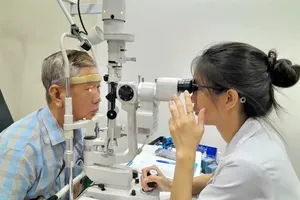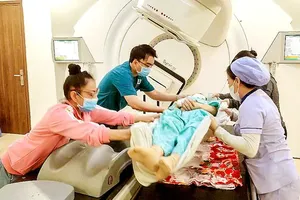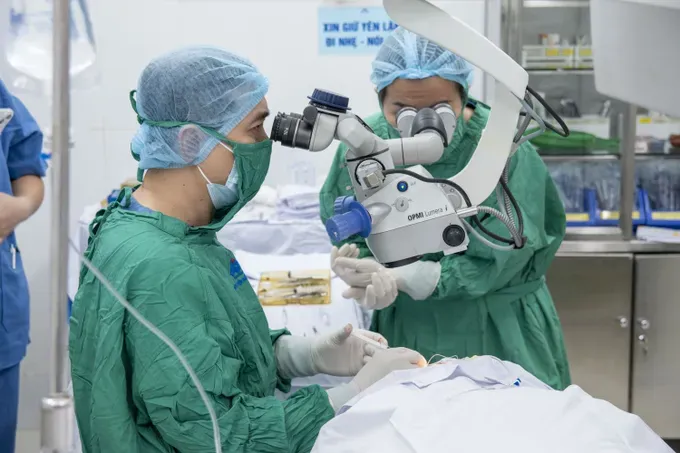
Twelve patients with severe corneal damage have regained clearer vision after successful transplants using donated corneal tissues from the Nepal Eye Bank.
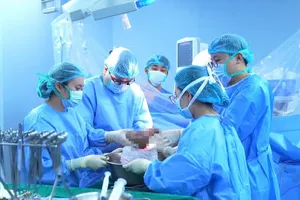
Ho Chi Minh City Eye Hospital has successfully performed corneal transplants for 12 patients suffering from long-term severe corneal damage, using donated corneal tissues provided by the Nepal Eye Bank.
According to Dr. Lam Minh Vinh, Head of the Corneal Department at Ho Chi Minh City Eye Hospital, after a strict medical consultation process, 12 out of 30 patients were selected for corneal transplantation.
These patients had serious corneal injuries, extremely poor vision in both eyes, or endothelial damage requiring specialized procedures such as endothelial keratoplasty (replacing the corneal endothelium and part of the posterior stroma from the donor) and penetrating keratoplasty (replacing the full thickness of the cornea with that of the donor).
Currently, all 12 patients have shown improved vision, are expected to be discharged within 3–5 days, and did not have to pay for the donated corneal tissues.
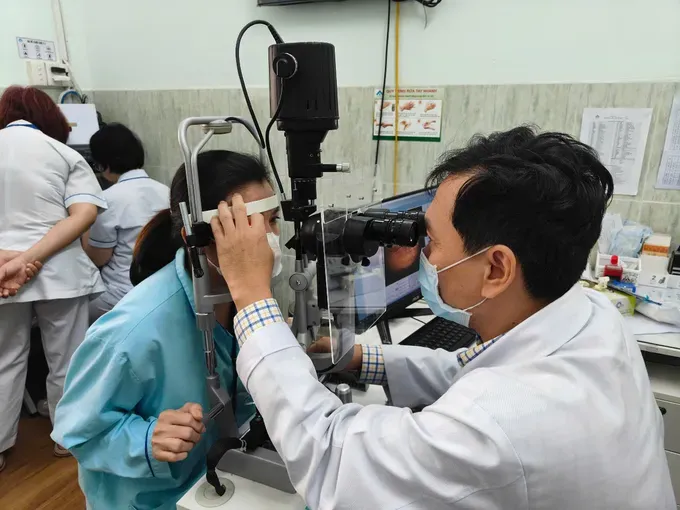
These are the patients awaiting corneal transplants at the hospital over the past period. Dr. Lam Minh Vinh, Head of the Cornea Department at Ho Chi Minh City Eye Hospital, stated that the selection of patients is based on the extent of corneal damage and the degree of vision impairment.
According to statistics from Ho Chi Minh City Eye Hospital, over the past 12 years, more than 400 corneal transplants have been performed using various techniques, with 90.2 percent of the recipients being unskilled laborers.


)