This will mark the first time Vietnam hosts an international Olympiad dedicated to artificial intelligence, representing a significant milestone in the country's global integration efforts and enhancing Vietnam's standing within the global AI ecosystem.
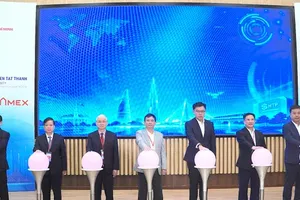
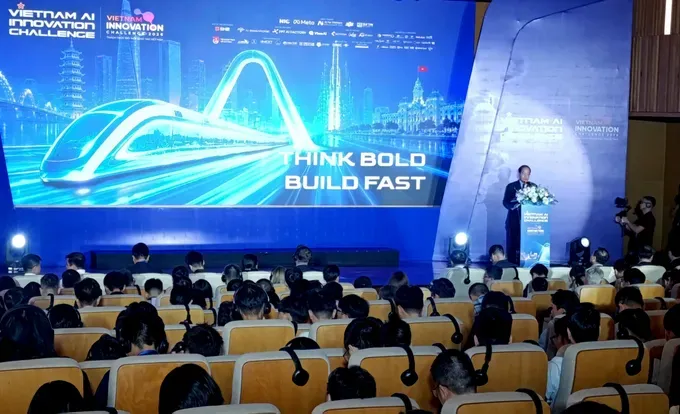
The National Innovation Center (NIC) under the Ministry of Finance, in collaboration with Meta, AI for Vietnam, and other partners, launched the Vietnam Innovation Challenge (VAIC) 2026 and the 2027 International Artificial Intelligence Olympiad in Hanoi on July 17.
VAIC 2026 focuses on eight key themes, including healthcare, education and training, disaster prevention and response, innovation, productivity enhancement for small and medium-sized enterprises (SMEs), smart government, agriculture, and finance and banking.
The competition has attracted nearly 2,500 registrations from more than 300 teams, including international contestants, highlighting the global reach of Vietnam's innovation ecosystem.
The VAIC 2026 Grand Final is scheduled to take place in Hanoi from July 17 to 19. It will feature a large-scale core AI application development competition, in which finalists will compete continuously over 48 hours.
The judging panel will comprise more than 200 technology experts from organizations including Meta, FPT, SHB, McKinsey, and AI Singapore, along with government and industry specialists responsible for evaluating the competing solutions.
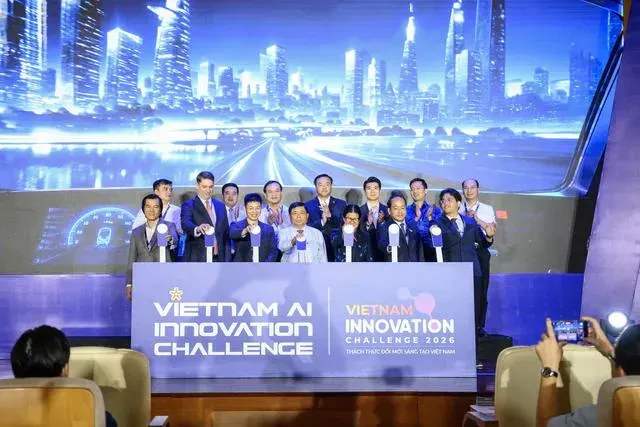
According to Mr. Vu Quoc Huy, Director of the National Innovation Center (NIC), the VAIC has been held annually since 2022. The program has been recognized by the White House as a flagship initiative in technology and innovation cooperation between Vietnam and the United States.
He noted that many countries are prioritizing substantial investment in artificial intelligence (AI), including computing infrastructure and high-quality human resources, viewing these as critical to enhancing national competitiveness and strengthening their position in the global value chain. For Vietnam, this presents both a challenge and an opportunity to accelerate development, narrow the development gap, and advance through science, technology, and innovation.
According to the Economic Counselor at the U.S. Embassy in Vietnam, Benjamin Embury, science and technology remain a key pillar of the Vietnam–U.S. Comprehensive Strategic Partnership. He said that a global network of experts will help young Vietnamese talent integrate more deeply into the global AI ecosystem. He added that the United States looks forward to continuing its partnership with Vietnam to foster innovation, expand opportunities, and develop people-centered technologies that contribute to shared prosperity.