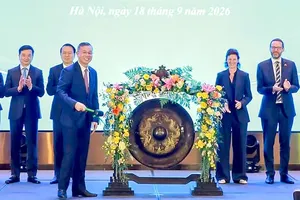
On June 29, the Ministry of Finance, in coordination with the Ministry of Agriculture and Environment, officially launched the domestic carbon exchange.
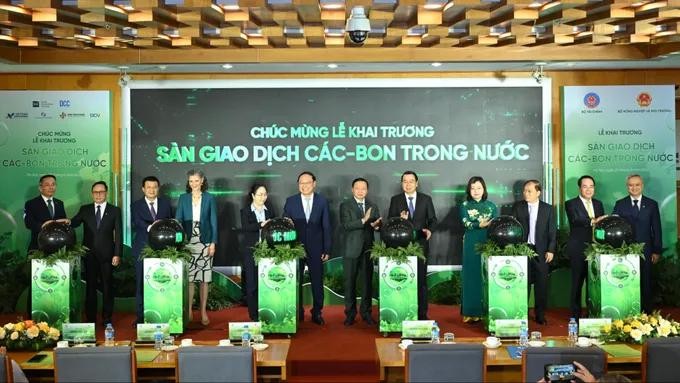
Speaking at the ceremony, Chairman Nguyen Anh Phong of the Hanoi Stock Exchange (HNX) said the launch is the result of implementing the national plan to establish and develop Vietnam's carbon market under Decision No. 232/QD-TTg issued by the Prime Minister.
The event marks the first time Vietnam has established a carbon price, turning emission allowances and verified emission reductions into commodities with economic value. The domestic carbon exchange will serve as a centralized marketplace for trading these assets under the principles of fairness, openness, and transparency.
It is expected to strengthen market-based mechanisms that encourage greenhouse gas emission reductions, support green growth, improve business competitiveness, and advance the country's sustainable development goals, including its commitment to achieving net-zero emissions by 2050.
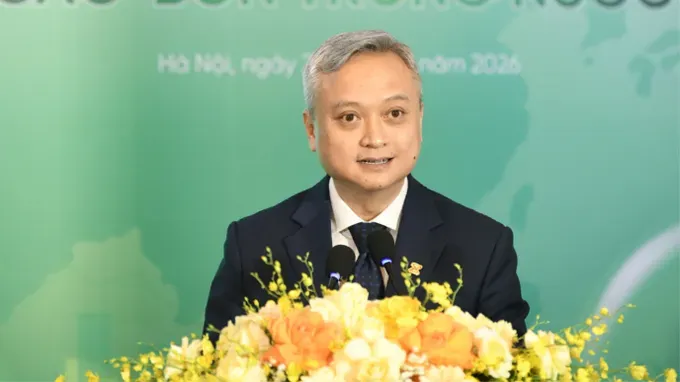
According to Chairman Nguyen Anh Phong, six securities companies have so far met the requirements to become exchange members while more than 100 emission facilities covered by Vietnam's greenhouse gas emission quota allocation system are ready to participate in trading.
After the market begins operations, HNX will continue working with relevant agencies to ensure the market is managed and operated safely, efficiently, openly, and transparently. The exchange will also step up outreach efforts to encourage emitting enterprises and organizations interested in carbon credits to participate in the market.
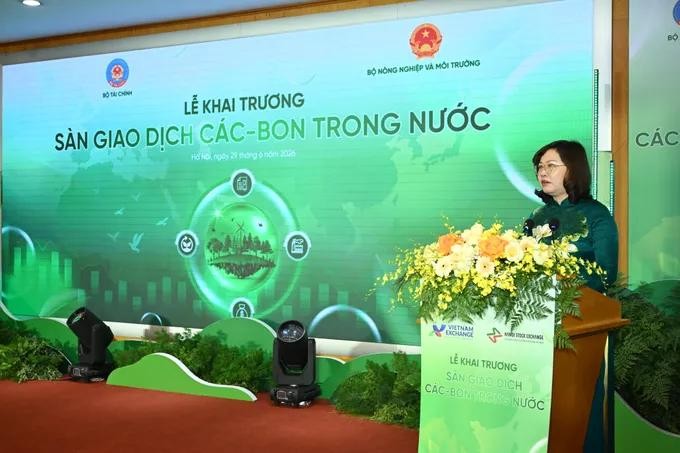
Chairwoman Vu Thi Chan Phuong of the State Securities Commission said the launch of the domestic carbon exchange represents an important milestone and a new stage in the development of Vietnam's financial market toward greater sustainability, transparency, and green growth.
She said the exchange will serve both as an economic tool enabling businesses to proactively adopt new technologies, improve production efficiency, and reduce emissions, and as a new component of the country's green finance ecosystem. It is also expected to open new channels for mobilizing and allocating capital for sustainable development projects while gradually aligning Vietnam's capital and environmental markets with international practices.