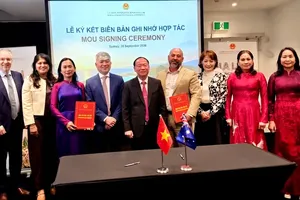
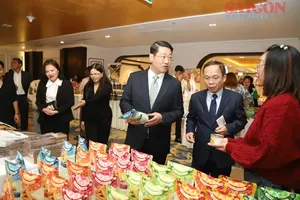
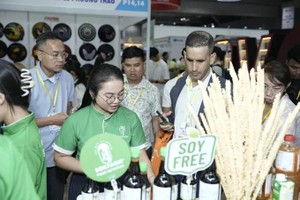
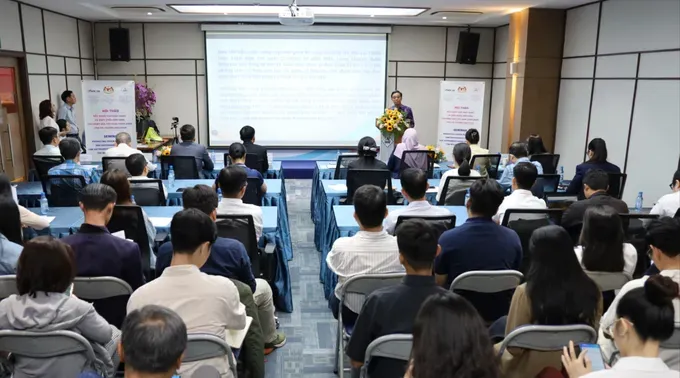
As of April 23, in Ho Chi Minh City, the Ho Chi Minh City Investment and Trade Promotion Center (ITPC), in collaboration with the Consulate General of Malaysia in Ho Chi Minh City and the Malaysia External Trade Development Corporation, held a seminar on promoting green production and sustainable exports for Vietnamese goods entering the Malaysian market.
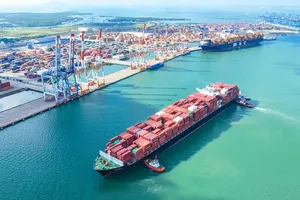
According to Mr. Le Anh Hoang, Deputy Director of ITPC, bilateral trade between Vietnam and Malaysia has exceeded US$15 billion, up about five percent year-on-year. Vietnam’s exports reached US$4.8 billion, with more than US$708 million coming from Ho Chi Minh City. Favorable logistics, along with abundant agricultural and food supplies, provide Vietnamese goods with strong advantages to penetrate the market. However, import standards are rapidly evolving, prioritizing environmental compliance, traceability and social responsibility.
Firdauz Othman, Malaysia’s Consul General in Ho Chi Minh City, noted that to access both the Malaysian market and the global Halal ecosystem, businesses must meet Halal requirements alongside green standards. This presents a significant challenge, particularly for small and medium-sized enterprises, due to rising investment costs and transparency demands. He added that the global Halal market is currently valued at over US$2.3 trillion and could reach US$20 trillion by 2028.

Malaysia is also introducing new technical barriers. According to the Vietnam Trade Office in Malaysia, extended producer responsibility (EPR) regulations will apply to imported goods starting in 2026, requiring companies to take responsibility for the entire product lifecycle, including production and waste management. While this raises compliance costs, it also helps filter the market toward higher-quality products.
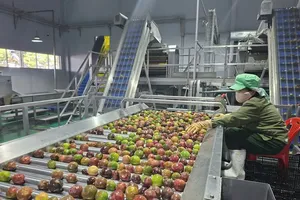
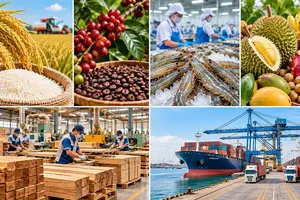
Even with these challenges, there is still room for growth in areas where Malaysia lacks full domestic supply. Products like rice, chili, cashews, and processed seafood are promising, but entry depends on compliance with ESG and Halal requirements.
On the other hand, the Malaysian government is offering incentives to offset transition costs. Products meeting ESG standards may benefit from tariff reductions of five to ten percent, while Halal-certified goods can receive up to a 20 percent reduction in import inspection costs. These mechanisms suggest that compliance costs can increasingly translate into competitive advantages.
At the seminar, many businesses observed that exporting to Malaysia is entering a “standards-driven” phase, where competition is no longer based on price but on the ability to meet stringent requirements. Integrating Halal compliance with green transformation is therefore not only mandatory but also essential for Vietnamese goods to move deeper into regional and global supply chains.