The strong presence and engagement of the Republic of Korea’s business community have raised expectations for a leap forward in cooperation between Vietnam and South Korea in the coming time.
South Korea maintains its position as Vietnam’s leading partner
Within the overall framework of bilateral relations, economic cooperation remains the standout pillar between Vietnam and the Republic of Korea. According to the Ministry of Foreign Affairs, the Republic of Korea is currently Vietnam’s largest foreign investor, its third-largest trading partner, and the second-largest provider of official development assistance (ODA).
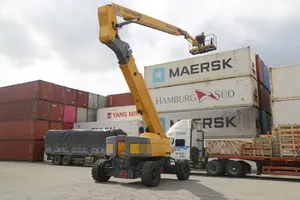
In 2025, bilateral trade turnover reached US$89.5 billion, marking a year-on-year increase of 9.6 percent. In the first quarter of 2026 alone, two-way trade amounted to US$26.8 billion, up 30 percent compared to the same period last year. Of this, Vietnam’s exports totaled US$8.1 billion, while imports stood at US$18.7 billion.
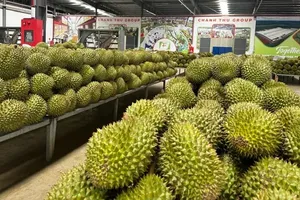
Vietnam’s exports to the Republic of Korea are largely driven by foreign-invested enterprises (FDI), focusing on key items such as mobile phones and components, computers, electronic products, and related parts.
Both countries are working toward a target of raising bilateral trade to US$150 billion by 2030, with a stronger emphasis on achieving a more balanced trade structure.
From an investment perspective, as of the end of March 2026, the Republic of Korea had 10,447 valid projects in Vietnam, with total registered capital amounting to US$98.9 billion, accounting for more than 18 percent of the country’s total foreign direct investment (FDI). According to the Ministry of Finance of Vietnam, Korean FDI inflows are showing strong growth, particularly in strategic sectors.
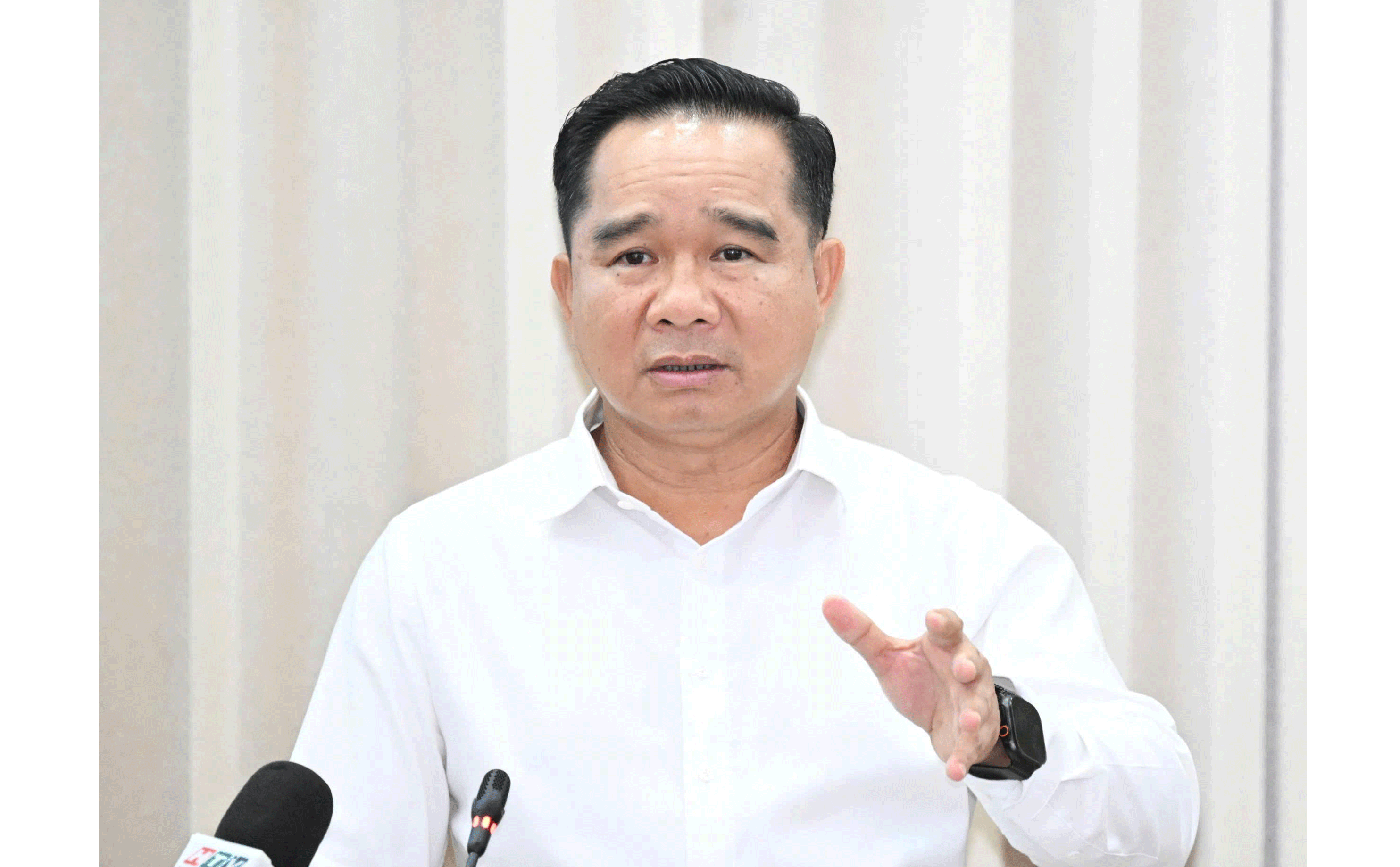
Mr. Vu Ba Phu, head of the Vietnam Trade Promotion Agency under the Ministry of Industry and Trade of Vietnam, noted that the processing and manufacturing industry continues to dominate Korean investment, accounting for over 73 percent of total registered capital.
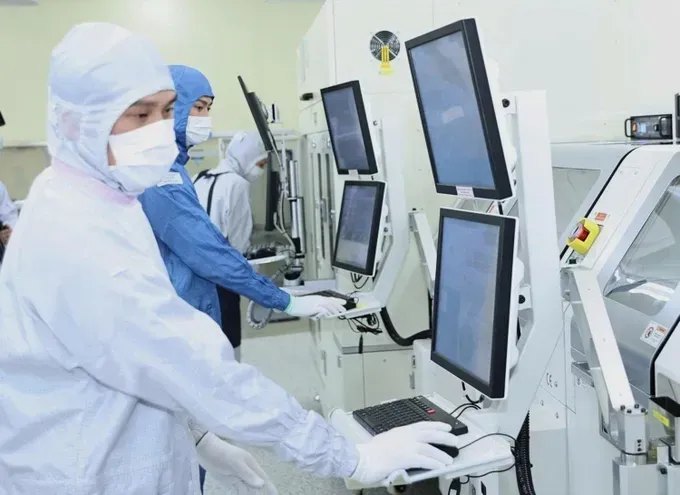
Several large-scale, high-tech projects have contributed to the formation of industrial clusters and supporting industry ecosystems in key localities such as Bac Ninh, Thai Nguyen, Hai Phong, Hung Yen, and Ho Chi Minh City.
Vietnam, South Korea expect strategic breakthroughs
According to Ambassador of the Republic of Korea to Vietnam, Choi Young Sam, the State visit by President Lee Jae Myung stands as a landmark event of special importance in the 34-year history of diplomatic ties between the two countries.
At a time when Vietnam is accelerating modernization efforts and striving to achieve its goal of becoming a high-income developed country by 2045, the meeting between the two sides' leaders is expected to yield numerous concrete and practical cooperation outcomes.
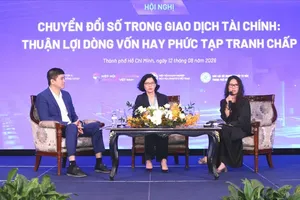
Ambassador Choi Young Sam noted that bilateral economic cooperation has moved beyond the phase centered on labor-intensive manufacturing, transitioning toward jointly building future-oriented industrial ecosystems and sharing responsibility for ensuring the stability of global supply chains. The Republic of Korea, he affirmed, stands ready to become Vietnam’s most reliable partner in its process of digital transformation and green growth.
Assessing Vietnam’s investment environment for the 2026–2031 period, Mr. Ko Tae Yeon, Chairman of the Korean Business Association in Vietnam, stated that the country’s strong commitment to openness, coupled with its strategic location in Asia, remains a key factor in attracting foreign investors, including those from the Republic of Korea.
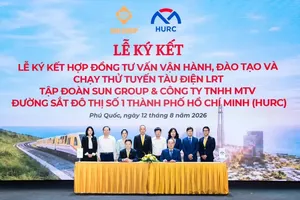
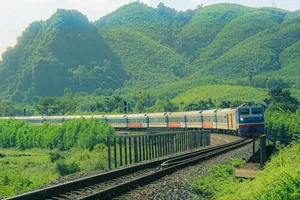
During talks held on April 21 in Hanoi between Minister of Construction Tran Hong Minh and Minister of Land, Infrastructure, and Transport of the Republic of Korea Kim Yun-duk, Korean enterprises expressed their desire to further deepen cooperation with Vietnam. Priority areas include high-speed railways, urban railway systems, and industrial park development.
Vietnam also continues to be a top priority partner for the Republic of Korea in the provision of official development assistance (ODA), with total aid exceeding US$500 million over the past five years.