A balanced threshold at VND2 billion per year
Mr. Nguyen Duc Nghia, Deputy Director of the Center for Small and Medium Enterprise Support under the HCMC Union of Business Association, argued that a revenue threshold of VND2 billion (approximately US$80,000) per year would strike a reasonable balance.
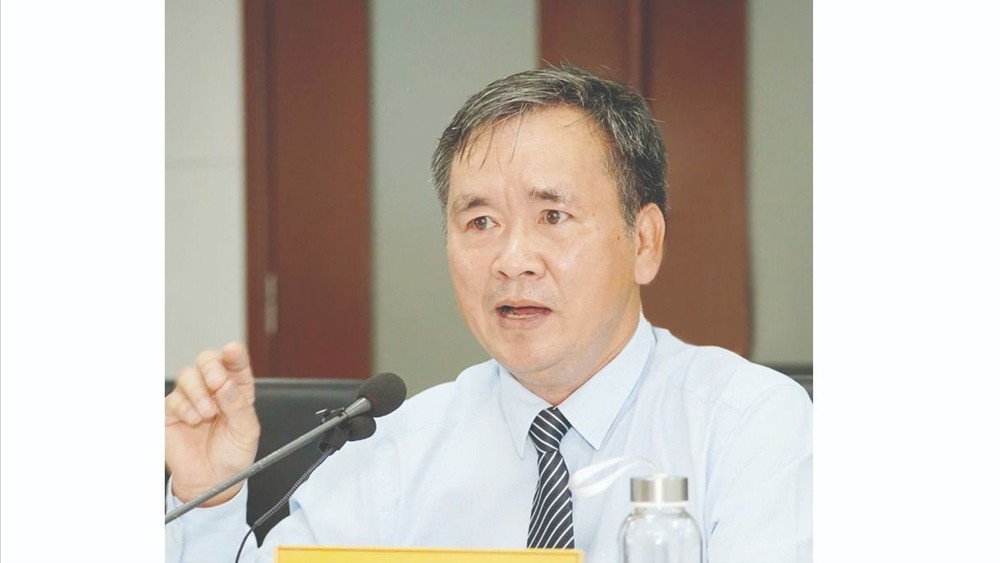
At present, household businesses are subject to two main taxes: personal income tax (PIT) and value-added tax (VAT). In principle, taxation should ensure that taxpayers retain sufficient income to maintain a basic standard of living while also preserving fairness across different types of economic actors.
Currently, the tax-exempt revenue threshold for both PIT and VAT is set at VND500 million per year. Mr. Nguyen Duc Nghia described this level as “very low.” Assuming a profit margin of around 10 percent, this translates into a monthly income of less than VND10 million. By comparison, salaried workers benefit from a personal deduction of VND15.5 million per month, putting household businesses at a clear disadvantage.
“It is therefore necessary to raise the tax-exempt threshold to ensure that household businesses can earn enough to live,” he said.
From the standpoint of PIT, Mr. Nguyen Duc Nghia emphasized the need for parity between wage earners and household businesses. A strictly calculated threshold could be as high as VND3 billion per year. However, such a level would likely reduce State budget revenues. Moreover, when compared with formal enterprises, which pay a 20-percent corporate income tax without enjoying similar deductions, an excessively high threshold could create further imbalances.
“To ensure harmony among economic sectors and maintain fiscal revenues, a PIT exemption threshold of VND2 billion per year is appropriate,” Mr. Nguyen Duc Nghia concluded.
Regarding VAT, he stressed that fairness must also be preserved between enterprises and household businesses. While businesses are required to pay VAT from the first Vietnamese dong of revenue, exempting household businesses entirely could distort competition. As such, the VAT exemption threshold should be carefully recalibrated to align more closely with the treatment of enterprises.
A flexible range between VND1–2 billion
Lawyer Nguyen Van Duoc, General Director of Trong Tin Accounting and Tax Consulting Co., Ltd., proposed a more flexible approach, suggesting a tax-exempt threshold ranging from VND1 billion to VND2 billion per year.

Based on prior analyses, Lawyer Nguyen Van Duoc noted that his firm had repeatedly recommended a VND1 billion threshold as a reasonable average across the economy. Meanwhile, VND2 billion should be considered the upper limit, applicable to high-revenue sectors such as trade.
However, he pointed out that a single threshold may not adequately reflect the diversity of business models and profit margins across the economy. Instead, he advocated for a tiered system based on profitability levels—high, medium, and very high—each corresponding to different revenue thresholds.
For example, a threshold of around VND2 billion could apply to trading activities, which typically operate on thinner margins. A lower threshold of VND1 billion might suit manufacturing sectors with moderate profitability, while a level of approximately VND750 million could be appropriate for service industries or production activities with high profit margins and minimal input costs.
“This approach would ensure that tax policy is tailored to each group, while upholding the principle that higher-income earners pay more and lower-income earners pay less,” Lawyer Nguyen Van Duoc said.
On the legislative front, he suggested that the law should establish a minimum “hard” threshold, while granting the Government flexibility to adjust it in response to changing economic conditions. This mechanism could mirror proposals to revise family circumstance deductions, with clearly defined criteria guiding adjustments.
Under such a framework, the Government could either make timely revisions or seek approval from the National Assembly Standing Committee through expedited procedures. This would preserve the legislature’s oversight role while allowing for responsive policy management.
A bold proposal: full tax exemption
Offering a more radical perspective, Dr. Le Quang Cuong, Head of the Tax Department at the Faculty of Public Finance, University of Economics HCMC, proposed exempting all household businesses from taxation altogether.
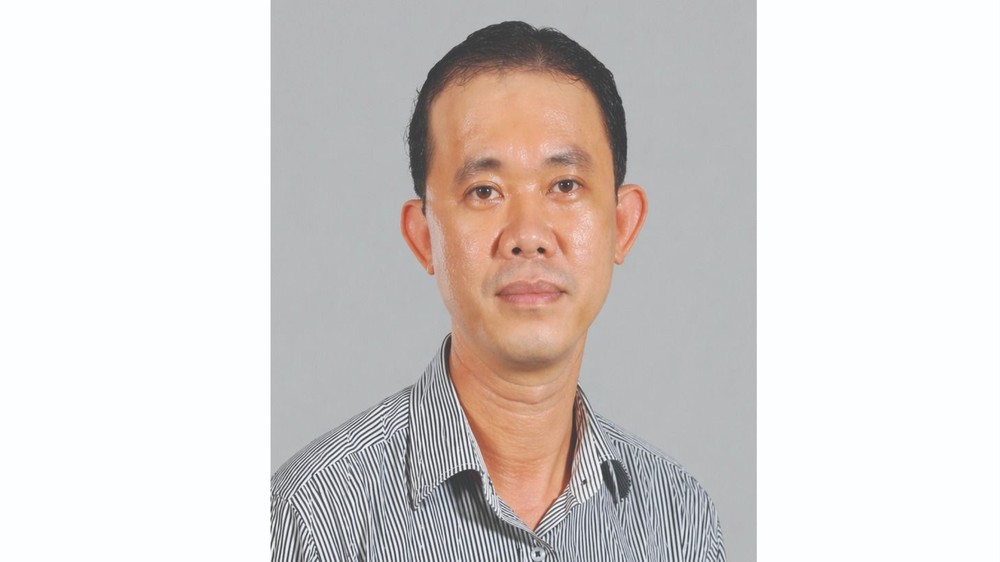
Vietnam currently has around 5 million household businesses, yet their contribution to the State budget remains modest. In 2025, they accounted for just 2 percent of total revenues, equivalent to approximately VND32 trillion. By comparison, other revenue sources are far more substantial; for instance, environmental protection tax alone exceeds VND100 trillion annually.
“In my view, instead of setting a tax-exempt threshold, we should boldly exempt all household businesses,” Dr. Le Quang Cuong said.
He argued that the VND32 trillion shortfall could be offset relatively easily through other revenue streams, such as excise taxes on alcohol, beer, and tobacco. More importantly, he emphasized the need to acknowledge the structural reality of Vietnam’s economy, which includes a large informal sector.
“We should accept that this segment does not need to pay taxes,” he said.
At the same time, Dr. Le Quang Cuong stressed that tax authorities must tighten control over input invoices within the formal business sector. Since tax-exempt household businesses would not issue invoices, they would primarily serve individual consumers who do not require them. Enterprises, on the other hand, need valid invoices to account for input costs and would therefore avoid purchasing from non-invoicing household businesses.
“This creates a natural incentive,” Dr. Le Quang Cuong explained. “If household businesses want to sell to enterprises, they will have to formalize and become companies.”
In this way, the decision to remain a household business or transition into a formal enterprise would become a voluntary and market-driven choice, rather than a forced administrative requirement.