Sustainable nuclear power development requires not only advanced technology and guaranteed nuclear safety and security but also a strong science and technology foundation, high-quality human resources, public consensus, and reliable international partnerships.
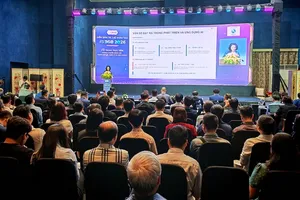
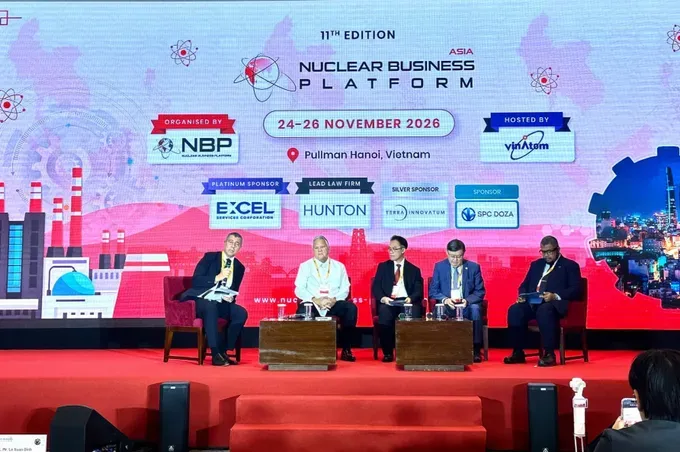
On November 25, the 11th Asian Nuclear Business Platform (ANBP) 2026 took place in Hanoi. The event was co-organized by the Vietnam Atomic Energy Institute (VINATOM) and the Nuclear Business Platform (NBP), a Singapore-based consultancy and event organizer specializing in civil nuclear energy.
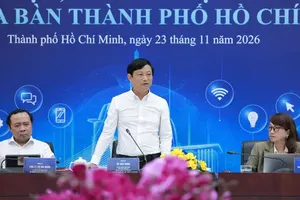
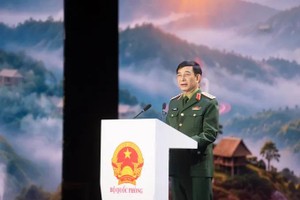
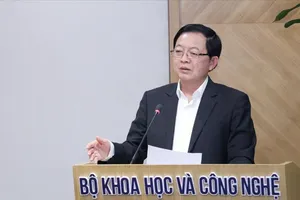
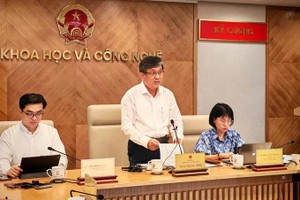
Speaking at the forum, Deputy Minister of Science and Technology Le Xuan Dinh affirmed that Vietnam has identified nuclear power development as a long-term strategic choice and is accelerating preparations for the Ninh Thuan nuclear power projects. He noted that these projects will help diversify the national energy mix, strengthen energy security, support Vietnam’s commitment to achieving net-zero emissions by 2050, and lay the foundation for the national nuclear power program.
Vietnam welcomes long-term cooperation with international partners in technology access, workforce training, project management capacity building, and establishing a reliable supply chain, he added.
Nuclear power development is not merely about constructing and operating nuclear power plants. It is a complex, long-term national program that demands sustained political commitment, a solid institutional framework, highly qualified human resources, adequate and sustainable financial resources and mechanisms, along with transparent communication and public engagement to foster broad social consensus, Deputy Minister Le Xuan Dinh emphasized.
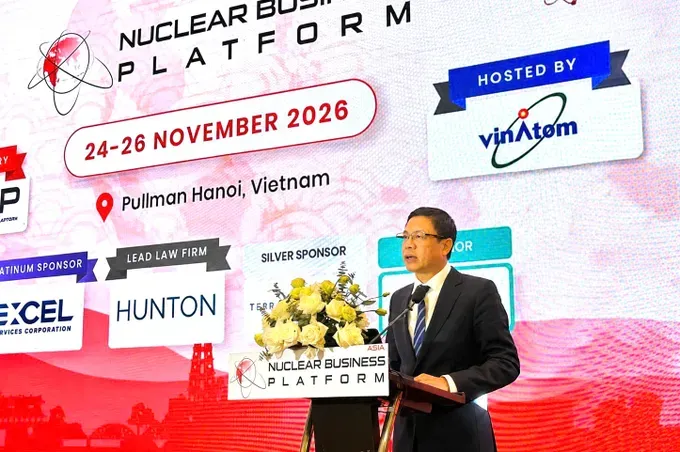
According to Deputy Minister Le Xuan Dinh, effective technology transfer and the gradual integration of Vietnamese enterprises into the nuclear supply chain are essential to enhancing national capacity and ensuring the program's long-term sustainability.
Tran Chi Thanh, President of VINATOM, stated that human resource development and access to advanced, proven technologies meeting stringent nuclear safety standards are critical factors for Vietnam’s nuclear power program. He added that strengthening exchanges and sharing experiences with other nations—particularly Asian countries—will bolster national capacity and promote the effective implementation of the program.
Meanwhile, Nguyen Thanh Binh, deputy head of the Investment Preparation Board for the Ninh Thuan 2 Nuclear Power Plant Project at Petrovietnam, noted that alongside mastering technology, Vietnam must leverage domestic industrial capabilities. Increasing the localization rate is aimed not only at job creation but also at building industrial capacity capable of sustained growth after the plants enter operation.
He viewed the conference as an opportunity for Vietnamese businesses to upgrade their technological capabilities, refine quality assurance systems, and gradually join regional and global nuclear supply chains.
Hosted in Vietnam for the first time, the 11th Asian Nuclear Business Platform serves as an opportunity for the country to strengthen ties with international partners, access advanced experience and technology, and promote cooperation linked to national capacity building—laying the groundwork for safe, secure, and sustainable nuclear power development.