This strategic collaboration reflects both nations’ shared vision for inclusive agricultural development and their alignment with global sustainability goals.
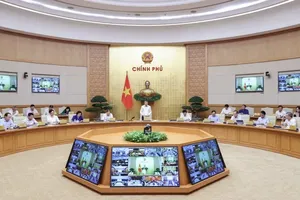
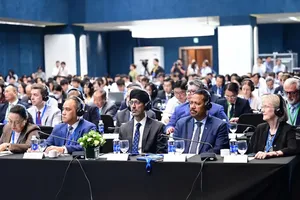
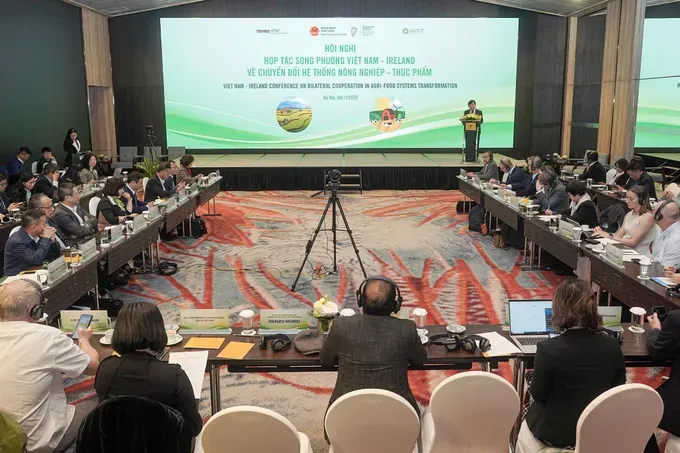
Earlier today in Hanoi, the Ministry of Agriculture and Environment of Vietnam, in partnership with the Embassy of Ireland and the Irish Sustainable Food Systems Agency, convened the Vietnam–Ireland Bilateral Conference on Agri-Food System Transformation. The event served as a high-level platform to evaluate the progress of the Ireland–Vietnam Agri-Food Partnership (IVAP) program and to chart a forward-looking roadmap for enhanced collaboration in the agricultural sector.
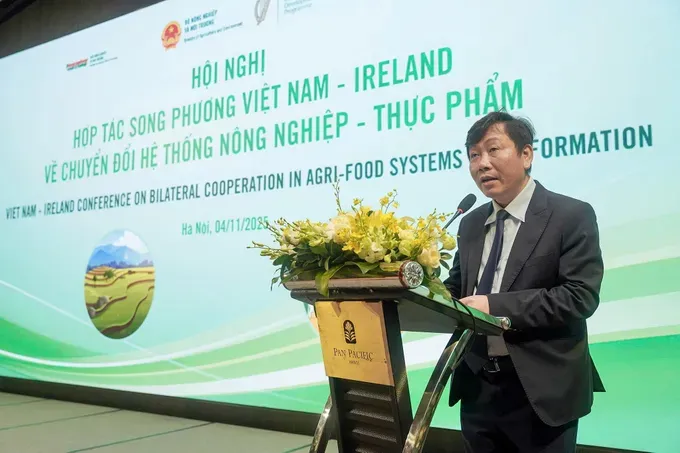
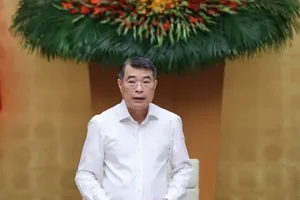
Speaking at the conference, Nguyen Do Anh Tuan, Director General of the Department of International Cooperation under the Ministry of Agriculture and Environment emphasized the significance of the event as a pivotal moment in the evolving relationship between Vietnam and Ireland. He noted that the conference not only celebrates the achievements of the IVAP program but also sets the stage for a more strategic and policy-driven partnership that supports the development of a resilient and sustainable food system, in line with the United Nations’ 2030 Sustainable Development Goals.
A senior official from the Ministry highlighted the central role of agriculture in Vietnam’s socio-economic landscape. With over 60 percent of the population dependent on agriculture for their livelihoods and the sector contributing nearly 12 percent to the national GDP, Vietnam has prioritized agricultural modernization and sustainability. Key national initiatives include the 2021–2030 Strategy for Sustainable Agriculture and Rural Development, the National Action Plan on Food Systems Transformation to 2030, and the ambitious Project on developing one million hectares of high-quality, low-emission rice, which supports Vietnam’s commitment to achieving net-zero emissions by 2050.
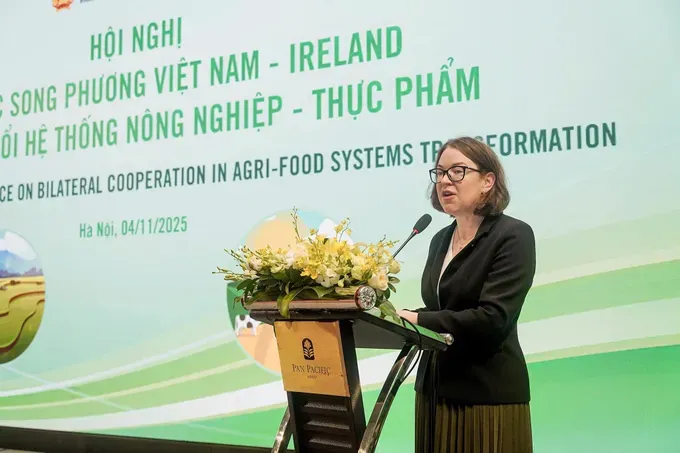
Ambassador of Ireland to Vietnam Deirdre Ní Fhallúinn expressed Ireland’s pride in its enduring partnership with Vietnam, particularly in addressing pressing global challenges related to food security, climate change, and agricultural innovation. She shared insights into Ireland’s experience in building a green, smart, and low-emission agricultural sector, underscoring the success of the Origin Green program—a national initiative that promotes sustainability through measurable standards and multi-stakeholder engagement.
Over the past decade, the Vietnam–Ireland partnership has yielded substantial outcomes. These include capacity-building programs for technical staff, the introduction and piloting of new-generation agricultural cooperatives, enhanced biosecurity measures, and the integration of biotechnology in livestock production. The IVAP program has also played a critical role in fostering innovation, particularly through its support for the development of an innovation ecosystem at the Vietnam National University of Agriculture.
Looking to the future, representatives from the Ministry outlined a strategic shift from project-based collaboration to a comprehensive policy partnership. This new phase of cooperation will concentrate on four priority areas including institutional and system coordination, science–technology and digital transformation, human resource training, and business connectivity.