The UKVFTA and CPTPP agreements open up additional export opportunities to the UK for Vietnamese enterprises, but to take advantage of tariff preferences and expand market share, businesses must meet rules of origin, quality standards, and importer requirements.

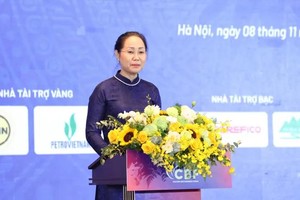
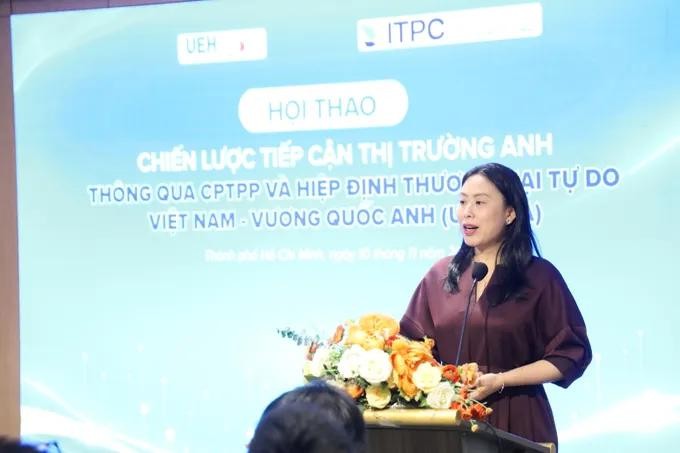
On November 10, in Ho Chi Minh City, the Ho Chi Minh City Investment and Trade Promotion Center (ITPC), in coordination with the University of Economics Ho Chi Minh City, organized a seminar on market entry strategies for the UK market through the Comprehensive and Progressive Agreement for Trans-Pacific Partnership (CPTPP) and the UK-Vietnam Free Trade Agreement (UKVFTA).
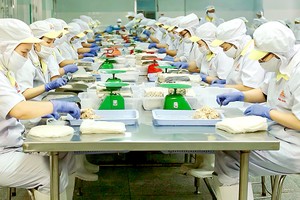
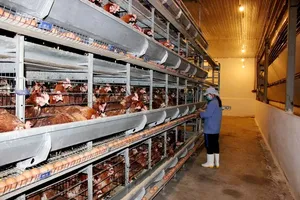
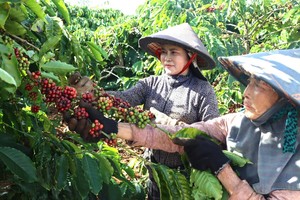
Speaking at the seminar, Ho Thi Quyen, Deputy Director of the Ho Chi Minh City Investment and Trade Promotion Center, stated that Vietnam's main export items to the UK market include electronics, machinery, textiles, footwear, agricultural products, and seafood. The simultaneous implementation of these two agreements provides businesses with more options regarding tariff preferences, rules of origin, and market entry plans. However, this advantage only turns into orders when businesses meet the requirements of importing partners.
Lecturer Trinh Huynh Quang Canh at the University of Economics Ho Chi Minh City said that Vietnam is currently the 17th largest goods supply partner to the UK, accounting for about 1.2 percent of this market's total goods imports. UKVFTA creates advantages in tariff reductions, while CPTPP expands the possibility of origin accumulation from member countries.
Businesses should base their choice of the appropriate agreement on raw material sources, production processes, and regulations for each item, rather than merely comparing preferential tax rates.
According to Head Nguyen Minh Khoi of the Trade Working Group at the British Chamber of Commerce in Vietnam (BritCham Vietnam), UK consumers evaluate product quality through specific evidence.
A survey cited by him shows that 50 percent of consumers focus on durability, 32 percent care about the transparency of ingredients and materials, and 30 percent consider product certifications. Therefore, importers not only evaluate product samples but also examine supply capacity, quality stability, origin documentation, and delivery capability.
Vietnamese enterprises need to combine e-commerce channels with importers, wholesale systems, and distributors in the UK to expand their market share.