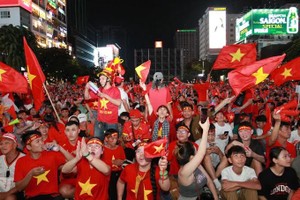
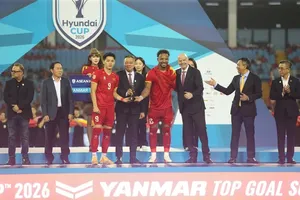
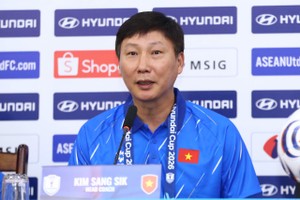
This time, a surge of confidence built on three straight wins in the group stage has fueled Dinh Bac and his teammates as they charge forward.
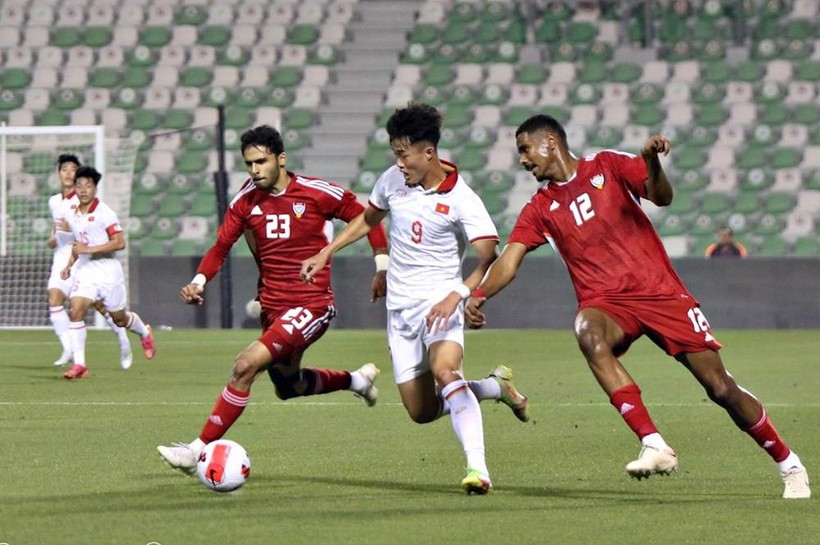
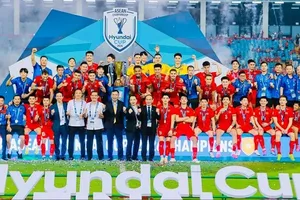
The team’s current journey evokes vivid memories of Coach Park Hang-seo’s historic campaign in Changzhou in 2018, when Vietnam emerged as a “nemesis” to West Asian sides—drawing Syria in the group phase before eliminating Iraq and Qatar in the knockout rounds, both after dramatic penalty shootouts.
In this tournament, Vietnam have already dispatched two representatives from West Asia—Jordan and hosts Saudi Arabia—boosting their morale ahead of the quarterfinal showdown with the United Arab Emirates (UAE) on the night of January 16. At this point, Head Coach Kim Sang-sik has a fully fit and stable squad, both in form and spirit.
Encouragingly, the defensive line remains intact with its strongest possible unit, while in attack, Coach Kim Sang-sik commands enviable depth, with every forward ready to take the field. Beyond Le Phat, Quoc Viet, and Dinh Bac, Vietnam hold a potential trump card in Thanh Nhan.
Vietnam’s U23 side now possesses several favorable conditions to hope for a positive outcome. Even so, as with any knockout-format contest, caution remains essential. First and foremost, the players must keep a “cool head,” tempering the euphoria of the group stage and returning to the disciplined mindset that defines their identity.
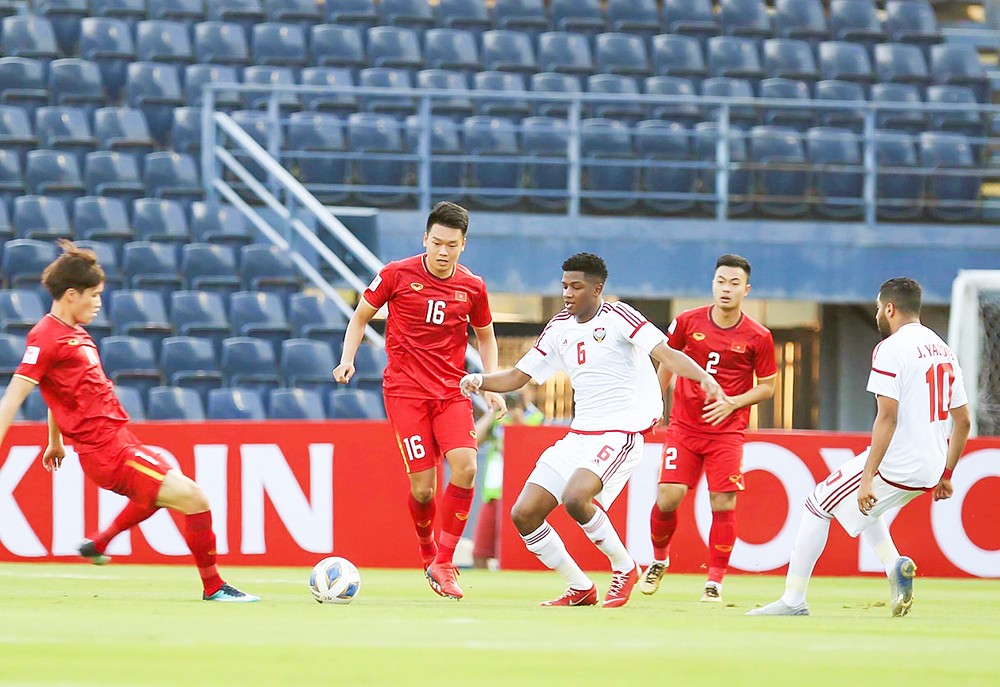
Knowing oneself and knowing the opponent was the recipe for success under Coach Park Hang-seo eight years ago. The next key is a sober assessment of the challenge ahead: despite advancing from Group A as runners-up, the UAE remain a formidable opponent, boasting clear advantages in physique, stamina, and technical strength.
After three group matches, both teams have largely revealed their tactical patterns. From here, the outcome hinges on execution—and the ability of standout individuals to seize decisive moments.


)