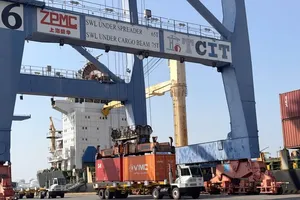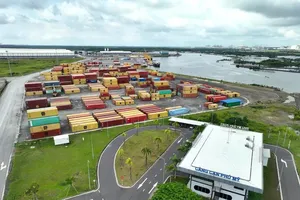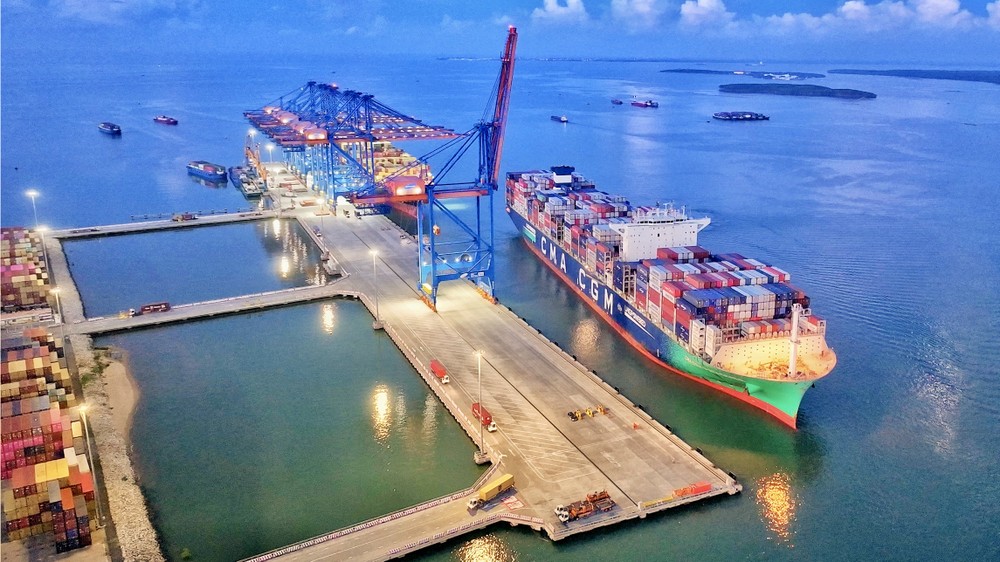
According to the Vietnam Association of Seafood Exporters and Producers (VASEP), freight rates on the Far East–US West Coast route have climbed to US$7,072 per forty-foot equivalent unit (FEU), up 5.6 percent from the previous week and 66.6 percent higher than a month earlier. Rates on the Far East–Northern Europe route reached US$5,457 per FEU, rising 0.5 percent week-on-week and 42.6 percent month-on-month.
Mr. Nguyen Dinh Tung, General Director of fruit exporter Vina T&T, said the cost of leasing refrigerated containers has surged from around US$2,800 to US$7,800 per container—nearly three times the previous level. In addition to soaring prices, exporters must reserve containers well in advance to secure shipping schedules.
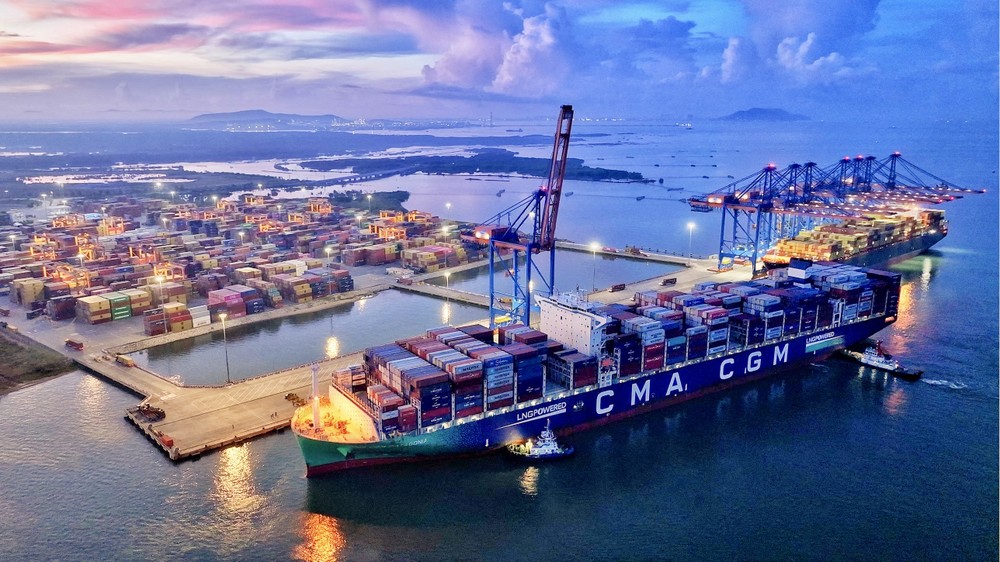
Mr. Phan Minh Thong, Chairman and General Director of Phuc Sinh Corporation, said his company's monthly ocean freight expenses have jumped from VND7-8 billion to VND17 billion. Including port charges and other surcharges, total logistics costs now amount to approximately VND22 billion per month, accounting for more than half of the company's profits.
He attributed Vietnam's high logistics costs partly to its heavy reliance on road transport, while rail and inland waterway links to seaports remain underdeveloped.
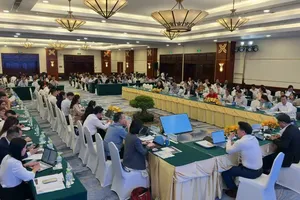
Ms. Dang Minh Phuong, Chairwoman of the HCMC Logistics and Seaport Association, said logistics expenses are being driven not only by geopolitical tensions, fuel price volatility and higher shipping rates, but also by inefficient transport organization. Many businesses continue to operate independently, investing in their own fleets or shipping small volumes, preventing economies of scale. She proposed developing shared logistics hubs for specific industries, enabling companies to share warehouses, vehicles, and consolidated shipments to reduce costs.
In response to rising expenses, VASEP has advised exporters, particularly seafood producers, to book refrigerated containers early, closely monitor vessel schedules, and track additional surcharges to minimize risks and ensure on-time deliveries.
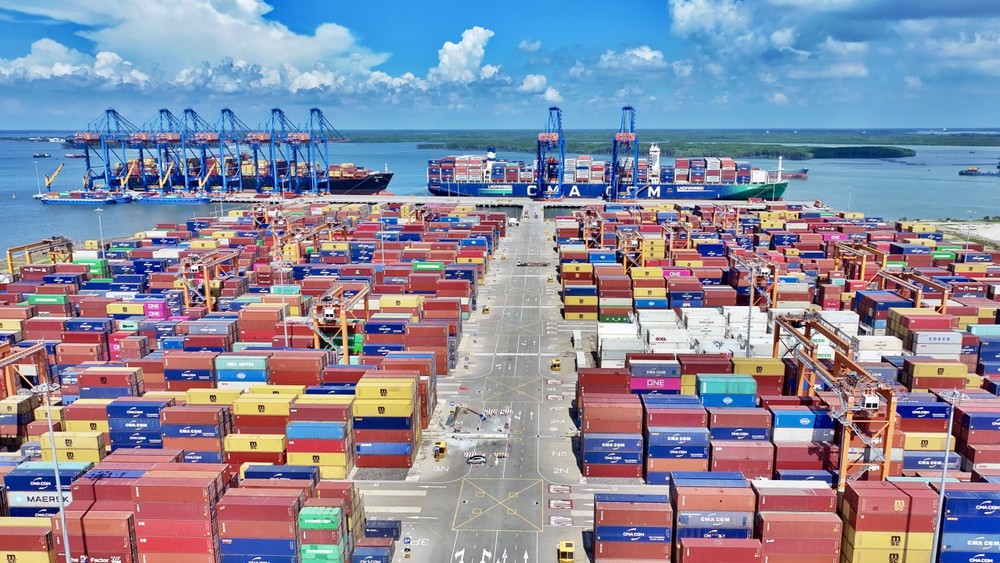
Mr. Le Van Danh, Deputy Director of the HCMC Department of Industry and Trade, said the city is working with associations, exporters, and logistics providers to identify measures to reduce transport costs. HCMC is prioritizing the development of multimodal transport networks by strengthening road, rail, and inland waterway connections to seaports, accelerating key logistics infrastructure projects, and encouraging greater cooperation among businesses to improve the utilization of warehouses and transport assets.
The city aims to reduce logistics costs to 11-14 percent of GDP by 2030, strengthening the competitiveness of Vietnamese exports in global markets.