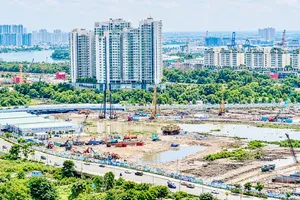
According to the HCMC Department of Construction, the city completed 28 social housing projects during the 2021-2025 period, delivering 17,902 apartments. Another 19 projects, comprising 18,899 units, are currently under construction and are scheduled for completion between 2026 and 2030.
To boost the sector, the department proposed allowing the State to directly invest public funds in the construction of social housing for lease and lease-purchase schemes. It also called for increasing capital allocated to the Vietnam Bank for Social Policies to meet rapidly growing demand for preferential housing loans.
The department further recommended that the HCMC People's Council issue a resolution introducing financial support mechanisms for social housing developers. Under the proposal, investors would receive subsidies covering up to 50 percent of the cost of technical infrastructure construction, capped at VND10 billion (approximately US$382,000) per project.

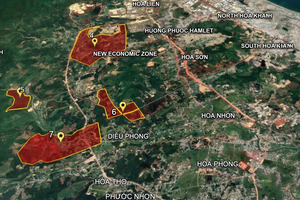
A citywide review identified 209 land plots and projects earmarked for social housing and worker accommodation, covering a total area of 1,040.5 hectares.
Of the total, 91 sites spanning about 726.35 hectares are under State management. Another 93 sites, totaling 253.91 hectares, comprise the mandatory 20 percent land allocation for social housing within commercial housing developments, while 25 privately owned sites account for the remaining 60.24 hectares.
During the discussion, Mr. Le Huu Nghia, Director of Le Thanh Company, said developers continue to face significant obstacles in accessing financing for social housing projects. He noted that with deposit interest rates remaining relatively high, banks struggle to maintain profitability if they provide long-term preferential loans at around 6 percent annually. At the same time, commercial-rate loans for social housing projects are often rejected because financial institutions remain concerned about legal risks.
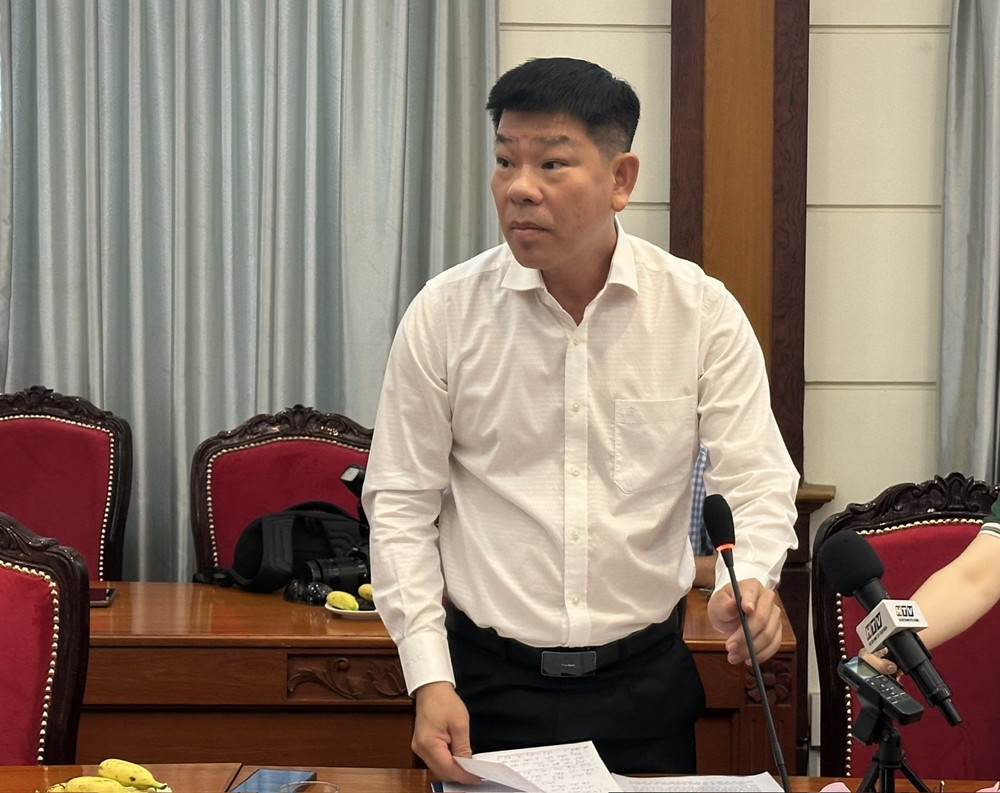
Mr. Le Hoang Chau, Chairman of the HCMC Real Estate Association, proposed recognizing long-term rental boarding houses as a form of social housing, enabling landlords to qualify for preferential credit and tax incentives.
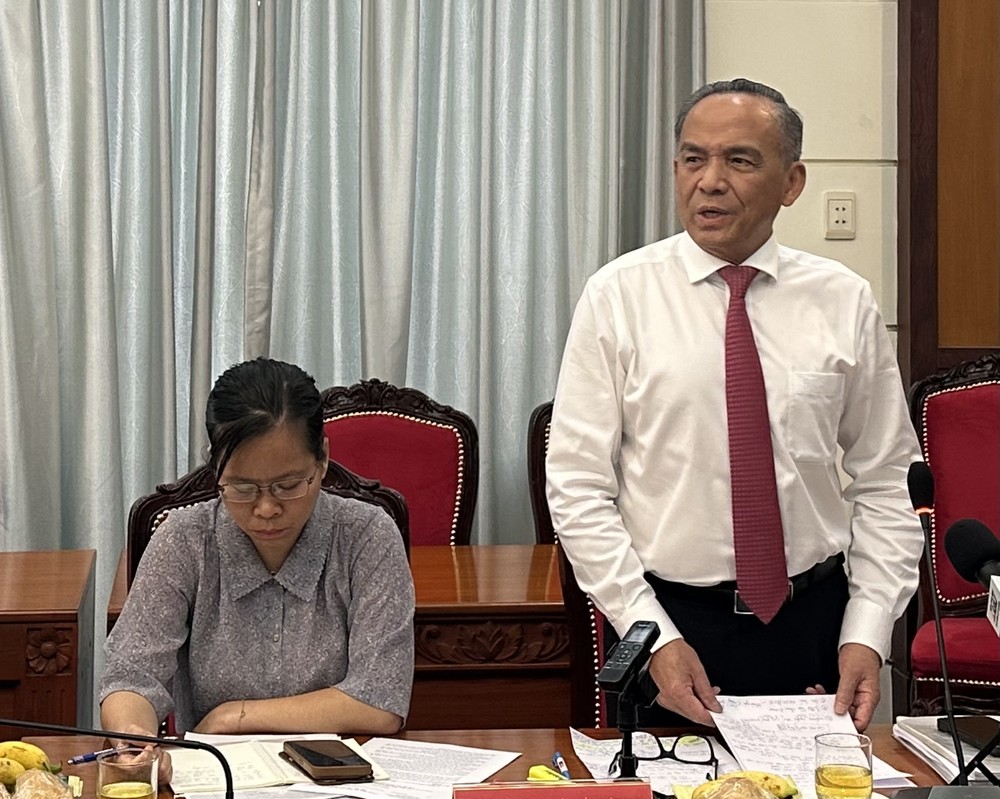
He also suggested lowering the minimum floor area requirement for social housing units from the current 25 square meters to 15 square meters to better accommodate the rental needs of low-income residents.
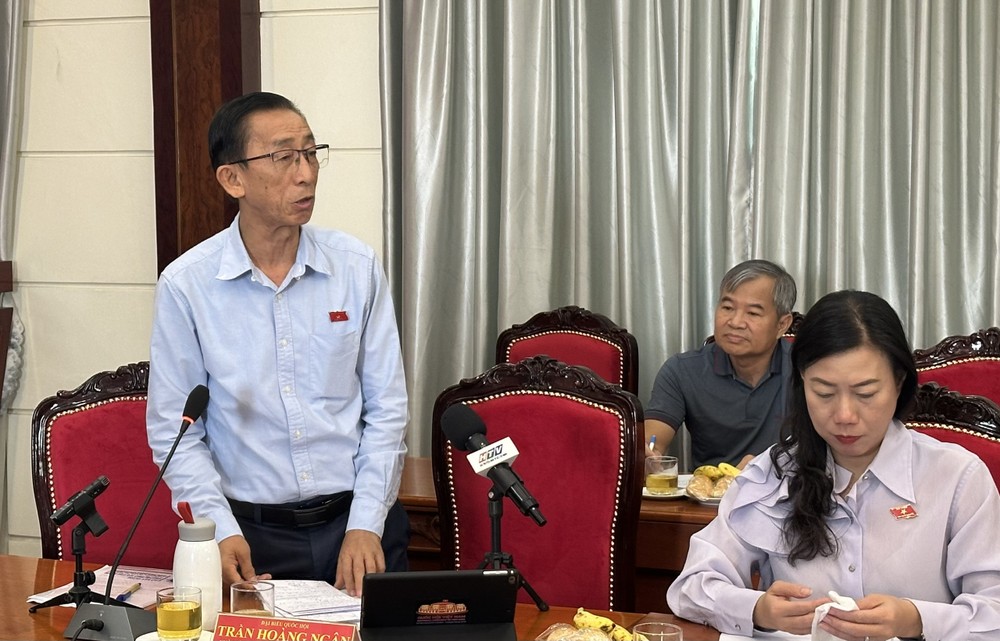
Addressing financing issues, Associate Professor Dr. Tran Hoang Ngan, a National Assembly deputy, said the State Bank of Vietnam had recently called on commercial banks and businesses to strengthen their social responsibility by prioritizing funding for social housing. Under the initiative, homebuyers would be eligible for loans at an annual interest rate of 6.5 percent, while project developers could access financing at 7 percent.
Concluding the meeting, Mr. Vo Hoang Ngan, Deputy Head of the HCMC Delegation of National Assembly Deputies, said all recommendations would be compiled and submitted to the drafting committee for consideration during upcoming amendments to the Housing Law and the Law on Real Estate Business.