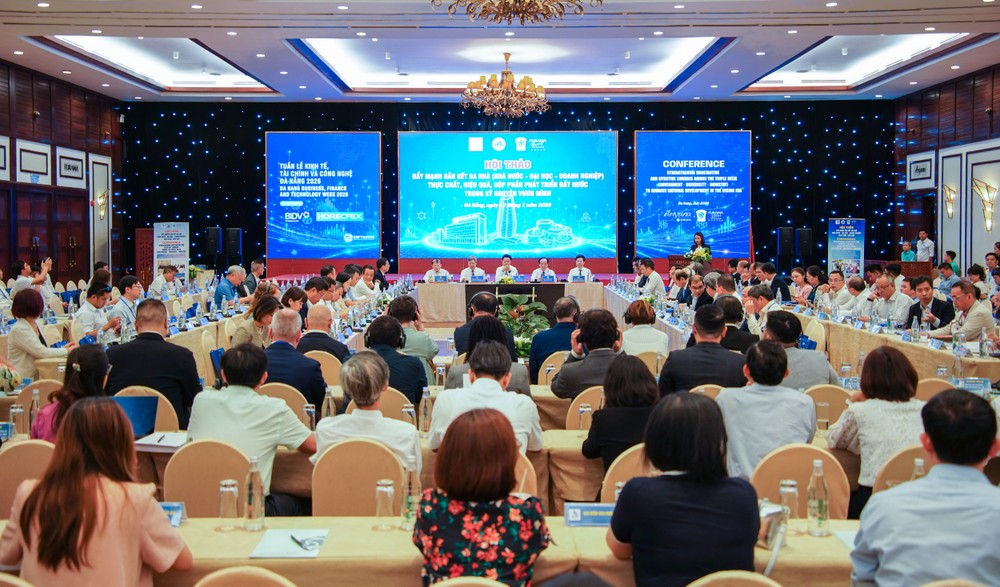
Speaking at the event, Associate Professor Dr. Nguyen Ngoc Vu, President of Da Nang University, said the "triple helix" partnership model has been promoted for years but has yet to deliver the expected results. Many cooperation agreements, he noted, have remained largely symbolic due to the absence of clear implementation mechanisms and measurable performance indicators.
Associate Professor Dr. Nguyen Ngoc Vu pointed to the persistent disconnect between university training and industry demand, attributing it to the limited involvement of businesses in curriculum design, teaching, and student assessment. He also highlighted unresolved issues related to research funding, intellectual property rights, and benefit-sharing from the commercialization of scientific research, which continue to discourage deeper collaboration.
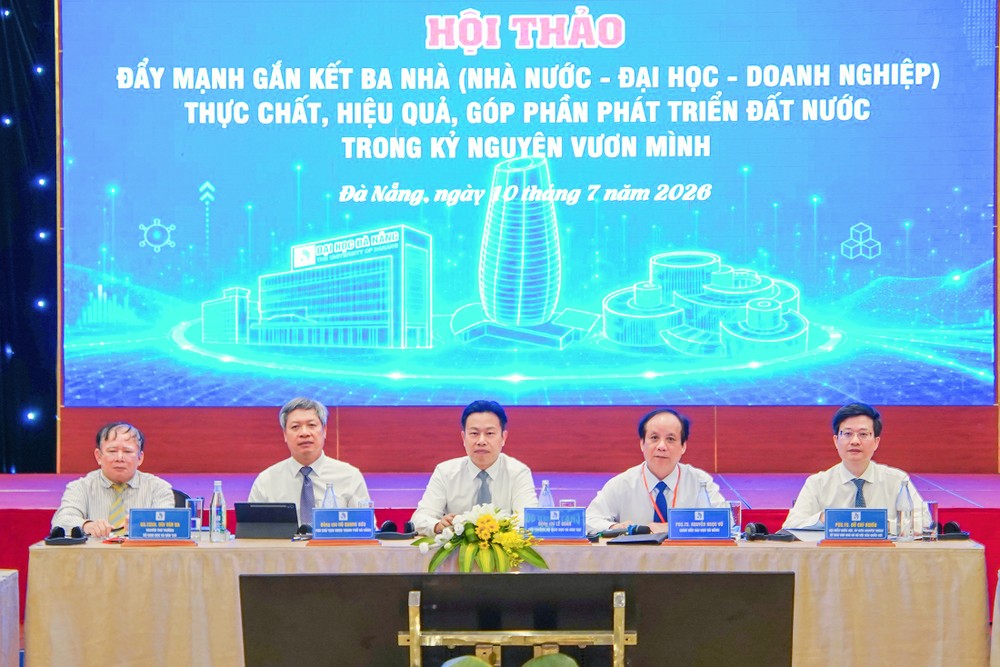
"The priority is no longer to reaffirm the importance of cooperation among the three stakeholders, but to demonstrate tangible outcomes," Associate Professor Dr. Nguyen Ngoc Vu said. "We must identify which technologies can be mastered, which enterprises can grow, which industries can improve productivity and, ultimately, how citizens will benefit."
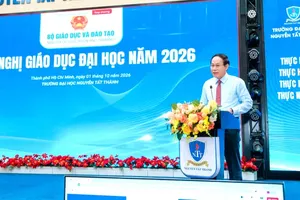
Professor Dr. Le Quan, Deputy Minister of Education and Training, said the partnership model is essential as Vietnam shifts toward growth driven by science, technology, innovation, and digital transformation. Strengthening collaboration among government, academia, and industry, he said, is critical to enhancing the country's long-term competitiveness.
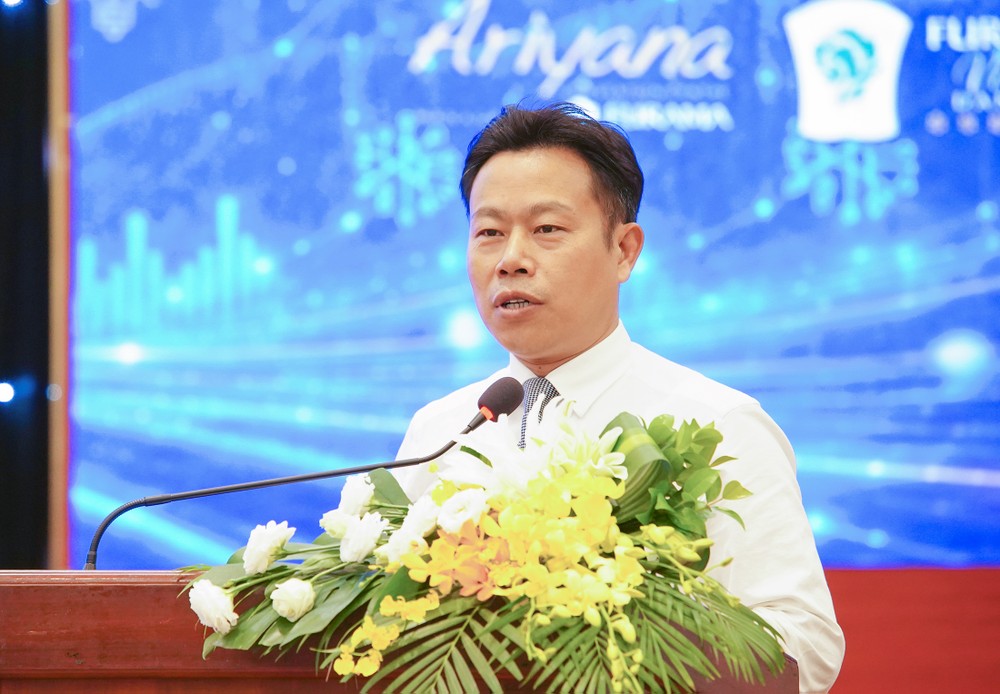
He noted that Vietnamese universities possess significant strengths, including a workforce of about 35,000 doctorate holders, extensive international partnerships, and well-equipped research laboratories. These resources position universities to become strategic partners for businesses in research, technology transfer, and the development of highly skilled talent.
The deputy minister urged local authorities to recognize universities as innovation hubs capable of supporting regional economic development and industrial transformation.
Vice Chairman of the Da Nang People's Committee Ho Quang Buu described the three-way partnership as a "golden key" to cultivating high-quality human resources and creating new engines of economic growth. He said Da Nang is advancing several major initiatives, including establishing an international financial center, developing a free trade zone, and expanding strategic industries such as semiconductors, artificial intelligence, and data centers.
Achieving these ambitions, Mr. Ho Quang Buu said, will require a highly skilled workforce, robust research capacity, and strong engagement from the business community. A substantive partnership among government, universities and enterprises will foster a comprehensive innovation ecosystem, boost productivity, improve growth quality and strengthen Vietnam's economic competitiveness.