During recent working sessions on education and training, especially in preparation for the new 2026-2027 academic year, Party, State, and Government leaders have directed the Ministry of Education and Training along with various provinces and cities to precisely control educational expenses.
The clear directive is to strictly rectify negative phenomena in extra tutoring and the chronic achievement obsession. The ultimate goal isn’t just to elevate the quality of teaching and learning. It also reflects a sheer desire to build an educational foundation of “real learning and real testing,” thereby seamlessly enhancing the capability of the national workforce.
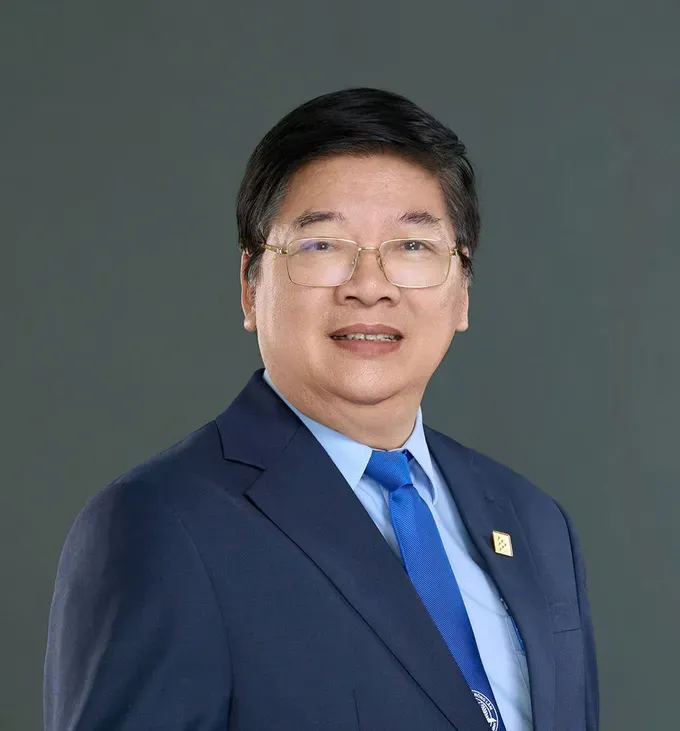
Vice President of Nong Lam University HCMC Dr Tran Dinh Ly stressed that “real learning and real testing” can’t just be a hollow slogan; it must genuinely serve as the fundamental principle of education.
“Any manifestation of deceit or pervasive dishonesty in teaching, testing, or assessment undeniably damages societal trust,” he explained, adding that it creates a glaring injustice for students who strive with their genuine competence and severely impacts the long-term quality of national human resources.
Therefore, saying an absolute “no” to educational negativity must be a firm commitment across the entire system, pulling together everyone from management agencies and schools to teachers, students, and parents.
During the robust digital transformation and artificial intelligence development, the traditional role of the teacher is rapidly evolving. The educator is no longer the sole provider of knowledge, primarily because students can effortlessly access massive data repositories with just a few simple clicks. Instead, the intrinsic value of a teacher now lies in passionately inspiring students, shaping their character, and wholeheartedly promoting their independent thinking, unwavering honesty, and personal responsibility.
Consequently, the pressing demand for today’s teaching staff isn’t just about continuously upgrading their professional capacity and mastering new technology; they also have to strictly preserve their professional ethics. In the end, to effectively impart knowledge, shape decent human beings, and actively cultivate trust for society, teachers must act ethically.

Head Nguyen Thi Bich Ngoc of Communications at International University (Vietnam National University-HCM) voiced that trust is built upon academic integrity and deep humanity.
Every educational incident needs to be examined through the lens of two core principles, namely safeguarding honesty and consistently maintaining fairness, humanity. Whenever abnormal signs surface in exam results, it’s essential for functional authorities to step in and thoroughly investigate. This crucial action strictly protects the rightful interests of students who study and test honestly, thereby reinforcing societal trust in the entire education sector.
In advanced educational systems, academic integrity is widely regarded as a core value rather than just a rigid regulation. It firmly embodies sheer honesty in studying, researching, testing, and evaluating; moreover, it reflects a conscious respect for the undeniable truth and the painstaking efforts of oneself and others.
If every pupil, university student, teacher, and administrator truly treats integrity as a behavioral standard, the exhausting pressure of chasing superficial achievements will gradually be replaced by a sheer motivation to develop genuine competence. This shift is an instrumental foundation for building a high-quality, equitable, and sustainable education system.
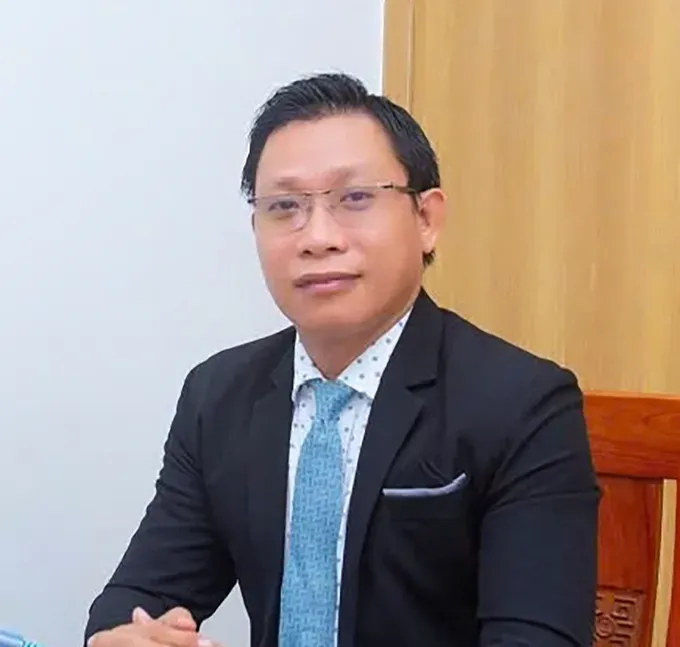
Teacher Dang Thanh Huan from Nguyen Huu Tho High School in Xom Chieu Ward of HCMC suggested that students need to cultivate a lifelong learning spirit
He stressed that “real learning and real testing” isn’t merely a strict requirement for every single student, but it’s also the inescapable responsibility of each teacher. An educator must flawlessly transmit knowledge while simultaneously helping to actively forge the character, core capacity, and sheer resilience of their students.
The modern goal of education is no longer about blindly helping students achieve high academic scores at any cost. Rather, it’s about equipping them with the actual competence to study, work productively, and dynamically adapt to daily life.
During the teaching process, educators intentionally guide students toward grasping the true essence of a problem and practically applying that knowledge instead of relying on rote memorization or just studying to cope with impending exams.
In addition, they heavily emphasize honing essential life skills for the youth, such as self-study capabilities, critical thinking, effective communication, smooth collaboration, problem-solving, technological fluency, and the vital adaptability to navigate changes. After all, these are the substantive competencies that will faithfully accompany them throughout their entire lives, not just serve a fleeting, single examination.
University education is certainly an excellent choice, but it isn’t the only one out there. Vocational training, college degrees, studying abroad, launching a startup, or managing a work-study split-shift routine can all become highly suitable pathways if young individuals clearly understand their own capacities, genuine interests, and long-term goals. The most important thing is to make a personalized choice and determinedly persevere in chasing that exact path for a bright future.
True success is never purely measured by numeric scores or the finalized results of a standardized test. Instead, it is beautifully quantified by the fierce will to rise, an enduring lifelong learning spirit, a remarkably positive attitude towards life, and the phenomenal ability to create value for both oneself and the wider community.
If the academic outcomes aren’t as desired, students shouldn’t view it as a catastrophic failure; what truly matters is the invaluable ability to courageously accept stumbles, extract profound lessons, stand back up, and relentlessly continue to try.