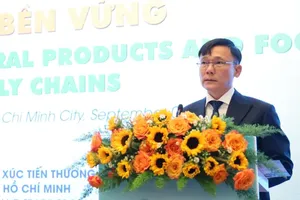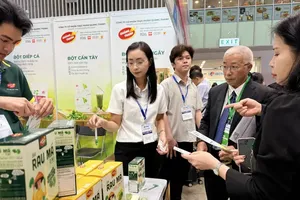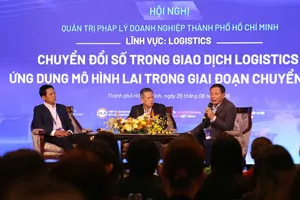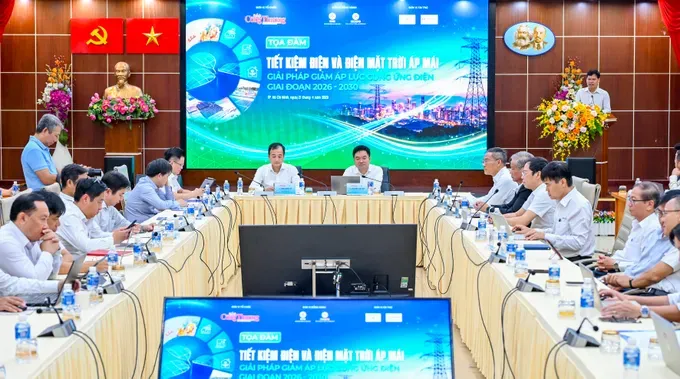
The event was co-organized by Vietnam Electricity (EVN), Southern Power Corporation (EVNSPC), and Cong Thuong (Industry and Trade) Newspaper.
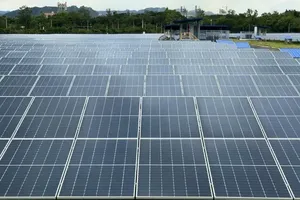
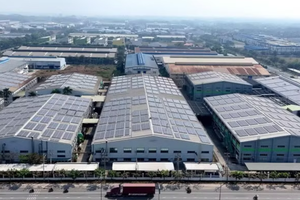
To proactively respond to mounting power demand, on March 30, 2026, the Prime Minister issued Directive No. 10/CT-TTg, setting a target of saving at least 3 percent of total electricity consumption in 2026, while strongly promoting the development of rooftop solar power for the 2026–2030 period.
In addition to conservation efforts, the development of self-consumption rooftop solar power systems, integrated with Battery Energy Storage Systems (BESS), has been identified as a strategic solution.
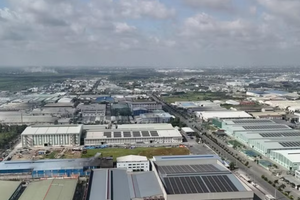
According to Bui Quoc Hoan, Deputy General Director of Southern Power Corporation (EVNSPC), the sector aims for approximately 50 percent of the rooftops of households and business establishments to be equipped with solar power systems by 2030.
The Deputy General Director of EVNSPC emphasized that ensuring electricity security, particularly during peak periods, requires not only the efforts of the electricity industry but also the active participation of the entire society, including households and businesses.
Clarifying key operational solution groups, Trinh Quoc Vu, Deputy Director of the Electricity Authority of Vietnam, outlined several priority measures. These include closely monitoring hydrological developments to optimize power generation planning and ensuring the efficient and reasonable operation of major hydropower plants. In addition, ensuring adequate fuel supply for thermal power generation remains a critical task. Authorities are also preparing contingency plans to guarantee that generating units are consistently supplied with input fuels, thereby maintaining readiness under all circumstances.
Additionally, the deployment of Battery Energy Storage Systems (BESS) is being accelerated to enhance system flexibility and support renewable energy integration. Demand Response (DR) programs are also being promoted to adjust consumption patterns during peak hours, contributing to load balancing.
Discussions highlighted the growing impact of extreme weather conditions on electricity supply, which poses significant challenges to system dispatch and operation. Participants examined solutions to enhance system resilience, including the implementation of Demand Response (DR) programs to better regulate load during peak periods and mitigate risks of power shortages.
The conference also reviewed and debated new policy mechanisms to promote rooftop solar power and the deployment of Battery Energy Storage Systems (BESS).
The seminar provided an in-depth analysis of emerging challenges and strategic solutions, with a focus on enhancing system flexibility, improving policy frameworks, and accelerating digital transformation in energy management for the 2026–2030 period.
The mobilization of participation from ministries, sectors, local authorities, and electricity consumers plays a crucial role in enhancing overall efficiency and improving system flexibility. This approach not only serves as a short-term measure to respond to the risk of power shortages during the 2026 dry season but also lays a solid foundation for a sustainable, modern, and more efficient energy transition in the 2026–2030 period and the longer term.