Gas and manufacturing suppliers raise prices
Several gas distributors in HCMC have adjusted their retail prices upward, with gas prices rising by around VND2,500 per kilogram. Accordingly, the price of a 10kg cylinder has increased by VND25,000; a 12kg cylinder by VND30,000; a 24kg cylinder by VND60,000; a 30kg cylinder by VND75,000; and a 45kg cylinder by more than VND110,000 per cylinder.
The primary cause is the surge in global energy prices, coupled with exchange-rate fluctuations and rising transportation costs, which have pushed up LPG import prices. A representative of the HCMC Department of Industry and Trade said that around 50 percent of Vietnam’s gas supply currently comes from imports, leaving the market vulnerable to disruptions in international supply and energy price volatility. The department has required gas companies to publicly disclose the actual gas volume during refilling and ensure that cylinders are sold with the declared quantity in order to safeguard consumer rights.
Meanwhile, many manufacturing and trading enterprises reported receiving notices of price adjustments for raw materials and transportation from their suppliers.
Mr. Le Mai Huu Lam, General Director of Cat Van Loi Company, said the firm had received notifications of price increases from raw material suppliers. The price of PVC plastic has risen by about 30 percent, while steel prices have climbed roughly 5 percent, significantly raising the company’s input costs.
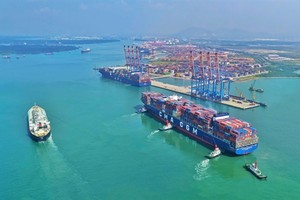
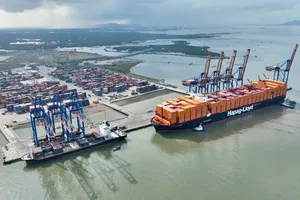
Mr. Hoang Trung Son, General Director of Dong Tien Packaging and Paper Co., Ltd. and Chairman of the Vietnam Paper Packaging Association, said international freight costs have been fluctuating sharply daily. Many shipping lines have imposed war risk surcharges ranging from US$1,500 to $2,000 per 20-foot container. Some shipping routes to conflict-affected areas have also been suspended or restricted by carriers, further disrupting global logistics chains and significantly increasing cargo insurance costs.
Containing the spread of price increases
In the tourism sector, businesses in HCMC said tour prices remain stable for now, though companies are closely monitoring fuel prices and other input costs in order to make appropriate adjustments if necessary.
Mr. Pham Anh Vu, Deputy General Director of Viet Tourism Company, said the biggest challenge currently lies in contracts with international clients. Many tours were signed six months to a year in advance at fixed prices, while fuel and transport costs have been fluctuating continuously. This situation poses considerable risks for companies trying to maintain previously agreed pricing.
Ms. Doan Thi Thanh Tra, Deputy General Director of Saigontourist Travel Service Company, said the company has not adjusted tour prices for individual travelers. For group tours, prices depend on the departure date, the type of transport used, and accompanying services, so no specific increase has been set.
In the transport sector, a representative of Hoa Xa Vietnam Trading Transport Company Limited said the company operates in multimodal freight services, including road, sea, rail, and air transport, with hundreds of vehicles. Fuel costs currently account for about 35–40 percent of total costs relative to revenue, excluding other operating expenses.
Similarly, Mr. Hoang Thanh Hung, Director of the SAVI Company branch specializing in container freight transport, said the sharp rise in fuel prices is directly affecting the business performance of transport companies. As the industry consumes large volumes of fuel, every increase in fuel prices significantly raises operating costs. However, freight rates have not yet been adjusted.
According to Associate Professor Dr. Dinh Trong Thinh of the Academy of Finance, timely policy adjustments and market interventions could help reduce the risk of price shocks. Stability in the energy market plays a particularly important role in maintaining smooth production and business activities.
Mr. Bui Ngoc Bao, Chairman of the Vietnam Petroleum Association, said the legal framework governing petroleum trading should continue to be refined to better align with evolving market conditions.
“In practice, the regulatory authority demonstrated flexibility when it adjusted fuel prices on March 7, just two days after the previous scheduled review. Shortening the interval between price adjustments helps authorities keep pace with global price movements and minimize delays in the pricing mechanism. When domestic pricing operates more closely in line with market dynamics, businesses will be more proactive in importing supplies, thereby reducing the risk of shortages in the market,” Mr. Bui Ngoc Bao suggested.
Dr. Nguyen Tien Thoa, Chairman of the Vietnam Valuation Association, warned that current fuel price volatility could push up the consumer price index (CPI) and place heavy pressure on fuel-intensive sectors, such as transportation, logistics, fisheries, and mining. In this context, measures are needed to prevent price increases from spreading across the broader market. Authorities could consider using regulatory tools such as the Petroleum Price Stabilization Fund or available tax and fee adjustments to cushion the impact on the economy.
Dung Quat Refinery is operating stably
Mr. Nguyen Viet Thang, General Director of Binh Son Refining and Petrochemical JSC, said the company has activated risk-management plans to ensure the stable and efficient operation of the Dung Quat Oil Refinery, thereby contributing to national energy security.
The plant’s operations and technical divisions have mobilized maximum resources to maintain continuous and smooth operations while sustaining the facility at maximum capacity. Meanwhile, the business division has been tasked with closely monitoring global market developments, proactively preparing plans for raw material procurement and imports, diversifying supply sources, and ensuring uninterrupted refinery operations even if a prolonged crisis severely disrupts supply chains.