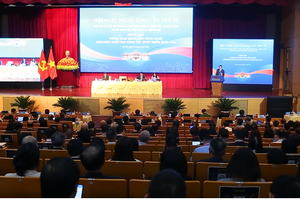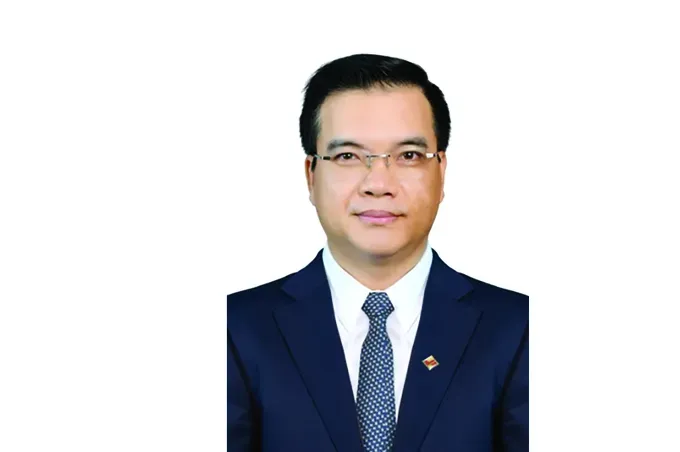
Chairman Nguyen Chi Thanh of the Member Council of State Capital Investment Corporation (SCIC) emphasized professionalizing state capital investment activities.
In Resolution No. 79-NQ/TW, SCIC is oriented to develop into a professional investment institution, moving toward the formation of a National Investment Fund operating on market principles, with sufficient capacity to mobilize, allocate, and optimize resources for long-term socio-economic development goals.
To perfect the legal framework for the National Investment Fund, it’s critical to build a separate legal framework. This should clearly define the fund’s legal status, functions, scope of operations, and investment principles. Regarding authority, it’s essential to expand and clarify the fund’s investment decision-making authority, attached to a clear decentralization and delegation mechanism, specifically defining strategic goals and overall safety limits.
As to the performance evaluation mechanism, it’s necessary to design a risk management and supervision mechanism appropriate to the fund model in international and venture capital investment activities. There must be flexible regulations in organization, finance, and personnel, allowing the fund to apply salary and bonus regimes close to domestic and international financial markets. This ensures it can attract and retain high-quality personnel, including foreign experts, similar to other global funds.
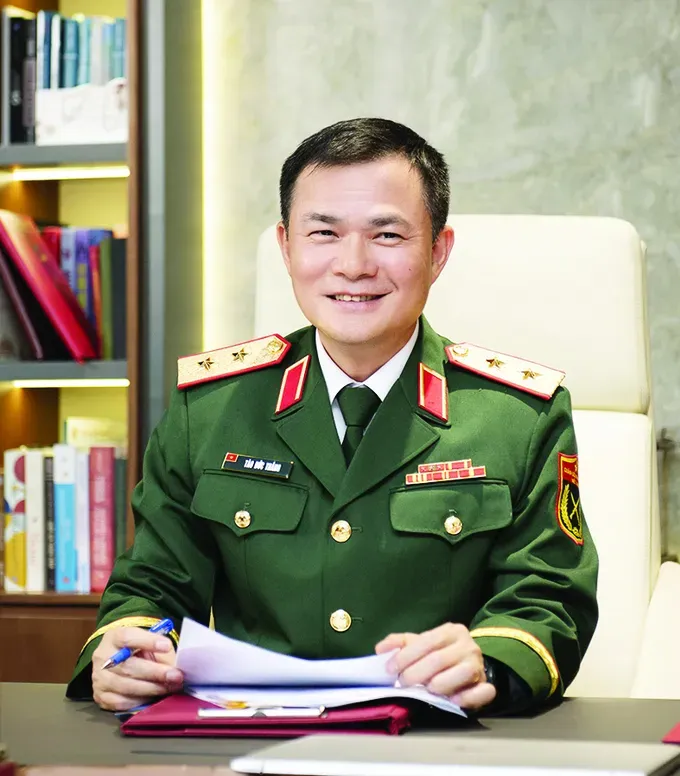
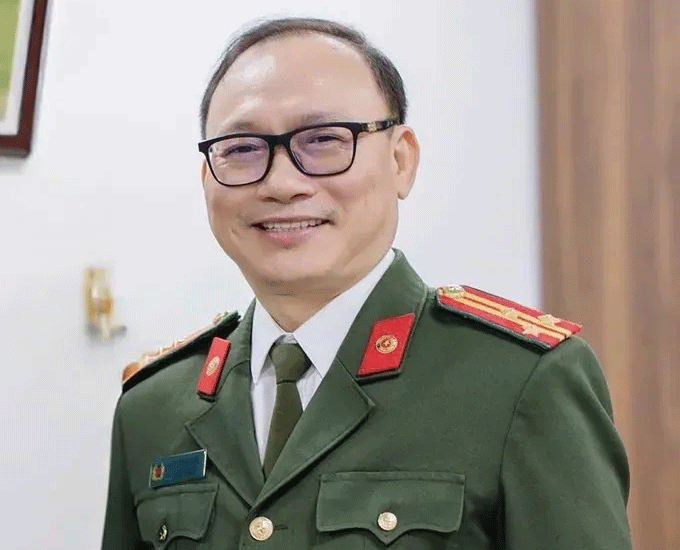
Lieutenant General Tao Duc Thang, Chairman cum General Director of Military Industry and Telecoms Group (Viettel) commented that Resolution No. 79-NQ/TW sets the goal of improving efficiency and promoting the leading, pioneering, and strategic orientation role of the state economy in key, essential industries, leading and supporting other economic sectors to develop together. The Resolution is designed as a launchpad to propel the entire Vietnamese business community through three core mechanisms of paving the way, leading, and creating an ecosystem.

Aware of that, Viettel recognizes the need to continue being the main state economic group, maintaining high growth rates and effective business. Viettel pioneers in mastering national strategic technology, expanding international markets, and researching advanced technical equipment.
To realize these strategic goals, Viettel focuses on three breakthroughs of high-quality human resources; science and technology, particularly leading infrastructure and national digital transformation; and international cooperation for global business. In the next five years, Viettel is determined to enter a new development phase of becoming a global technology group.
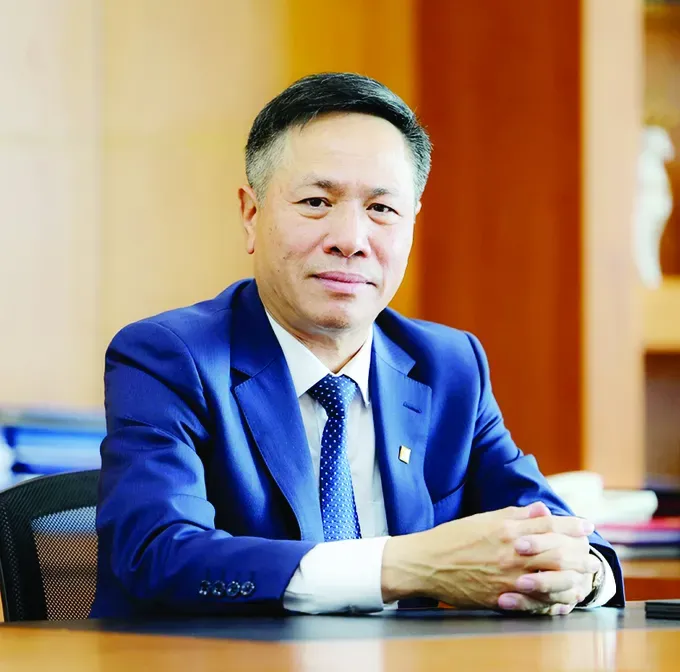
Chairman To Thai Dung of the Member Council under Vietnam Posts and Telecommunications Group (VNPT) stressed that Resolution No. 79-NQ/TW is an extremely important institutional puzzle piece for VNPT Group to break through and realize the aspiration of becoming the main digital technology group, contributing to the era of the nation’s rising.
This “institutional launchpad” directly and profoundly impacts the realization of VNPT’s Development Strategy to 2030 across 3 core aspects:
- Affirming the mission of leading the national digital infrastructure: transform VNPT from a traditional telecom provider into a technology group, owning and exploiting the pillar platforms and infrastructure of the national digital infrastructure.
- Creating a breakthrough mechanism to master core technologies: the Resolution is the driving force for VNPT to focus its resources on investing in strategic technologies such as AI, Big Data, 5G/6G, and cloud computing. The Resolution will pave the way for specific mechanisms regarding venture capital and risk tolerance, helping the corporation feel more confident in competing fairly with global tech groups.
- Removing institutional bottlenecks: the Resolution is the basis for VNPT to optimize capital for reinvestment, implement management according to international standards, and develop into a strong, dynamic, effective, and modern state economic group.

Deputy Secretary Le Thanh Hung of the Party Committee cum General Director of Vietnam Rubber Group (VRG), regarded Resolution No. 79-NQ/TW as the guiding principle for the group’s comprehensive restructuring. The resolution affirms the state economy’s leading role in regulating urgent situations and emphasizes pioneering development, industrialization, modernization, and forming a new growth model based on science, innovation, and digital transformation.
At VRG, the resolution guides restructuring toward being lean and effective, improving governance, financial transparency, and optimizing resources. With its current scale and position, VRG strives to become a strong regional economic group, holding a core role in the rubber industry. It aims to ensure raw material security, socio-economic development, and national defense stability in strategic areas. Additionally, VRG will expand rubber planting and invest in Laos and Cambodia to promote international cooperation.
The resolution requires state-owned enterprises to fulfill business tasks while carrying out political missions, social responsibilities, and leadership roles. For VRG, this is both a responsibility and a driving force for innovation, sustainable development, and deep integration in coming years ahead.
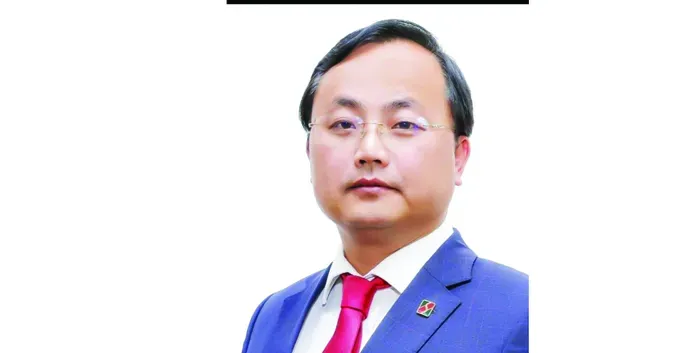
Chairman To Huy Vu of the Member Council of Vietnam Bank for Agriculture and Rural Development (Agribank) affirmed the bank’s position as a pillar financial institution under Resolution No. 79-NQ/TW. This resolution sets strategic goals for state-owned enterprises, requiring at least three state-owned commercial banks to rank among Asia's top one hundred largest banks by total assets by 2030.
Furthermore, four state banks must pioneer in technology, governance, and market regulation across the banking system. Deeply grasping its mission, Agribank is determined to concretize these goals in its Development Strategy to 2030, with a vision to 2035. This strategy relies on three core pillars of modern and transparent governance, green and sustainable development, and comprehensive digital transformation.
Accordingly, Agribank will apply modern governance models, improve risk management, and enhance accountability. The bank will build a digital transformation strategy to digitize services, standardizing to international benchmarks while ensuring information security.
Agribank will expand digital banking and green finance services to businesses and individuals nationwide. It will also reorganize its network to boost operational efficiency and execute monetary policies, significantly contributing to socio-economic development, especially in agriculture and rural areas.
More importantly, Resolution 79 permits supplementing charter capital from profits. Agribank proposes that authorities supplement VND30 trillion (US$1.15 billion) in charter capital for the 2025-2027 period. Strong capital foundations enable Agribank to truly lead, create, and spread value across the economy.