The Directive notes that the international energy market continues to experience complex and unpredictable developments, posing multiple risks and directly affecting national energy security. Without timely, synchronized, and effective solutions, there is a potential risk of electricity supply–demand imbalance, particularly during the 2026–2028 period.
Therefore, the nationwide implementation of comprehensive and decisive measures to manage electricity demand and promote efficient and economical electricity use is of critical importance. Such efforts will help reduce peak load, improve the operational efficiency of the power system, and ease pressure on investment in new power generation sources.
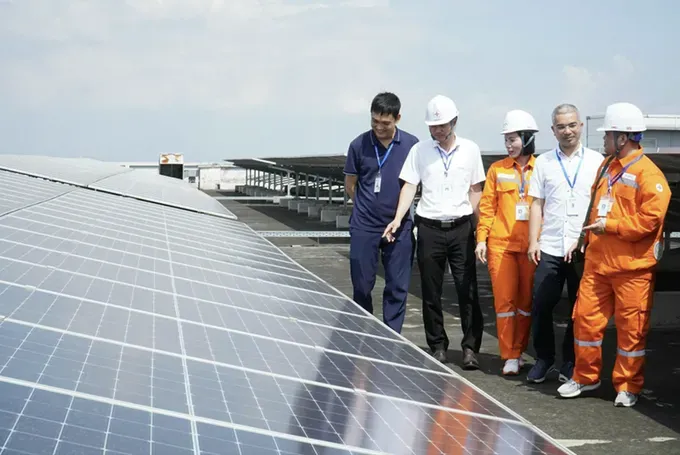
In addition, the development of self-produced and self-consumed rooftop solar power, combined with appropriate energy storage systems, will provide on-site power supply, enhance the flexibility of the electricity system, and contribute to ensuring national energy security. These measures must be implemented resolutely starting from 2026, with clearly defined responsibilities assigned to each ministry, agency, locality, and enterprise.
To proactively implement electricity demand management solutions in 2026, Prime Minister Pham Minh Chinh has called for efforts to achieve electricity savings of at least 3 percent of total national consumption in 2026. During peak hot months (April, May, June, and July), electricity savings of no less than 10 percent are to be realized.
According to the Directive, it is targeted that each year approximately 10 percent of public administrative offices and 10 percent of households nationwide will install and utilize self-produced and self-consumed rooftop solar power systems.
The Prime Minister also requested the implementation of electricity-saving measures across public offices, manufacturing enterprises, and households. Specifically, public agencies are required to develop and issue plans for electricity conservation, including quarterly electricity-saving targets.
At the same time, the operating schedules of public lighting systems are to be adjusted in line with actual demand; lighting in low-demand areas and during peak hours, as well as after 11:00 p.m., must be switched off or reduced in capacity, while still ensuring traffic safety and public security.
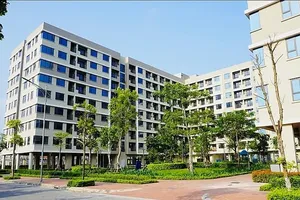
Restaurants, hotels, commercial service establishments, office complexes, and apartment buildings are required to switch off or reduce at least 50 percent of outdoor decorative and advertising lighting capacity during peak evening hours of the power system, in accordance with requests from local electricity authorities, and to comply with regulations on efficient and economical lighting.
The Prime Minister has assigned the Ministry of Science and Technology to study and supplement a roadmap on minimum energy performance standards for power conversion equipment, adapters, chargers, and charging stations, as well as to consider phasing out incandescent bulbs of 20W or higher.