From daybreak, the commune comes alive with activity. Farmers cut ripe pineapples, transport them from the fields, and gather harvests for traders to collect. The sounds of laughter and conversation mingle with trucks hauling freshly harvested pineapples, creating a vibrant scene across a region once considered one of Dak Lak's more disadvantaged areas.
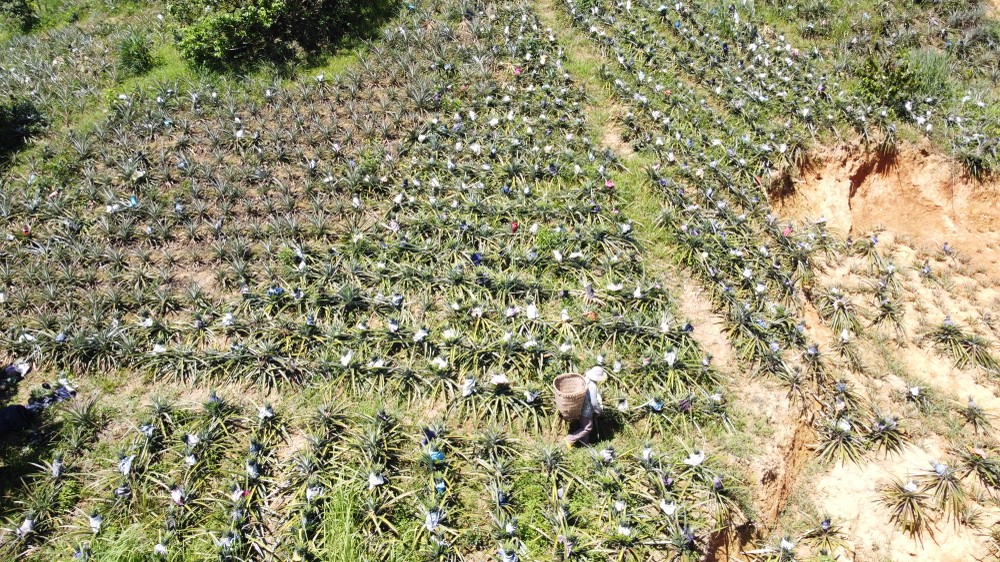
A decade ago, few would have imagined such a transformation. The hills of Yang Mao were once dominated by corn and cassava, crops that generated modest and often unstable incomes. Today, they are covered with honey pineapple plantations, a crop well-suited to the area's soil and climate. The fruit has become a key source of livelihood, helping many households escape poverty and steadily improve their living standards.
The success of the crop is evident during harvest season. Trucks loaded with ripe pineapples leave the fields daily, reflecting both a bumper harvest and the remarkable economic changes that have taken place across the commune over the past decade.
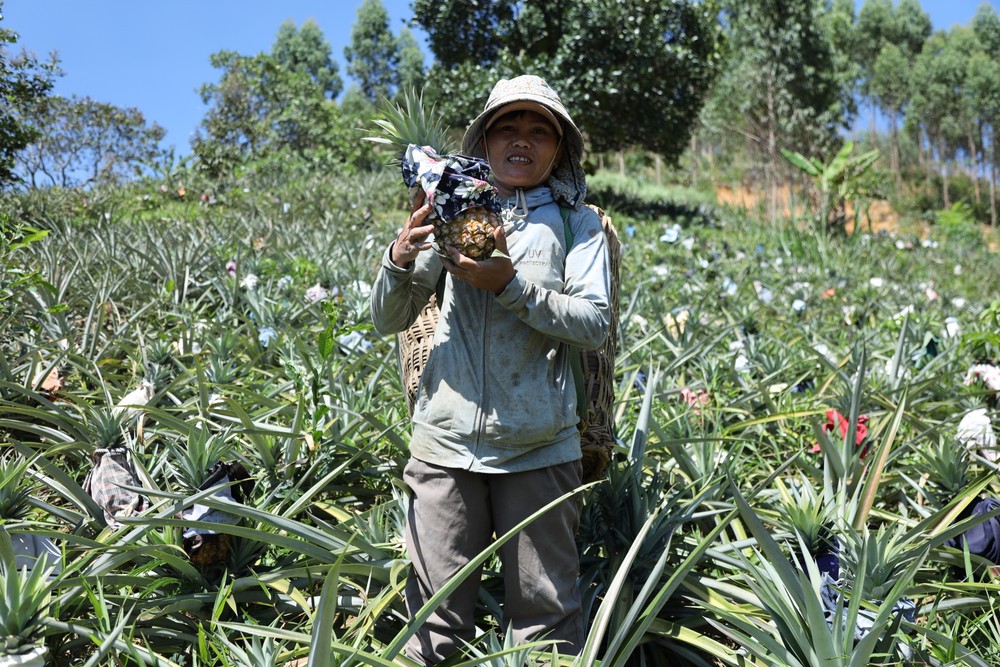
Honey pineapple has emerged as Yang Mao's flagship crop, replacing traditional farming models that offered limited returns. For thousands of local residents, it has become a reliable pathway to greater financial security.
Among them is the family of Tran Thi Ngan, who cultivates more than one hectare of honey pineapple alongside other crops. The land was previously used mainly for corn and cassava production, but low profitability made it difficult to sustain the household. Since switching to pineapple cultivation, the family's fortunes have steadily improved.
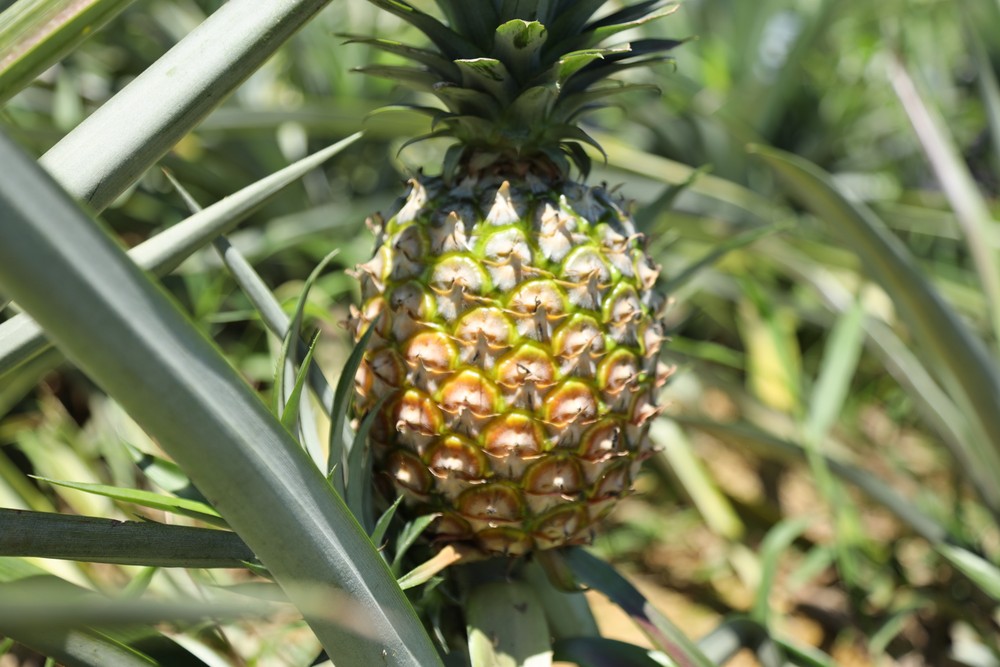
According to Ngan, after deducting production costs, her family earns more than VND100 million annually from pineapple farming. The stable income has enabled them to reinvest in production, support their children's education, and enhance their overall quality of life.
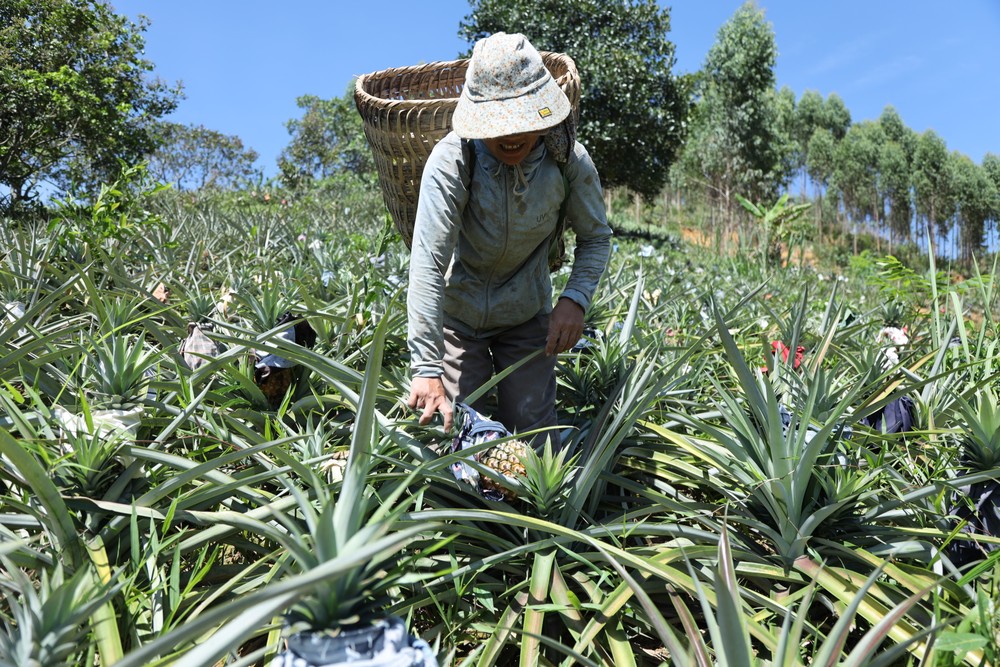
Her experience mirrors that of many other households in Yang Mao. Viewed from above, hills once covered with corn and cassava have been transformed into vast expanses of pineapple plantations.
Local farmers say the crop thrives in Yang Mao's climate and soil conditions. It is relatively easy to cultivate, resistant to many pests and diseases, and highly adaptable to the area's sloping terrain. Most importantly, it generates significantly higher returns than traditional crops.
Beyond fresh fruit sales, residents have begun processing honey pineapples into value-added products such as pineapple jam, syrup, and wine. Although these products have yet to gain a strong market presence, they represent promising opportunities for local entrepreneurship and rural economic diversification.
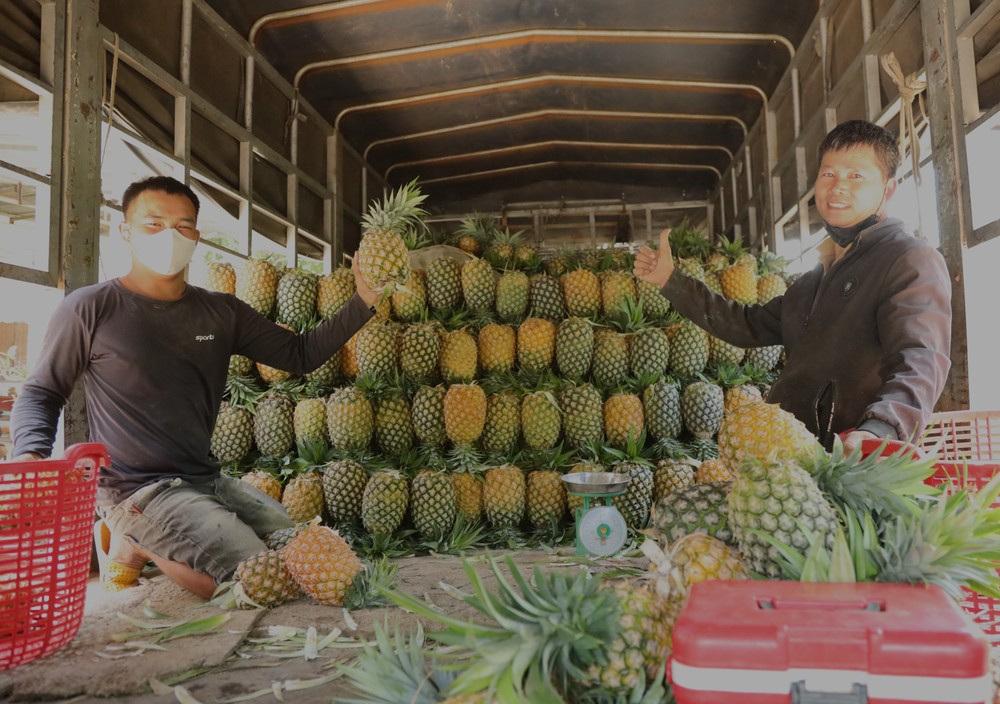
Mr. Tran Kim Phung, Vice Chairman of the Yang Mao People's Committee, said honey pineapple was introduced to the commune more than ten years ago. Practical experience has shown that the crop performs exceptionally well, delivering high yields and stable incomes for growers.
The commune now has more than 3,500 hectares dedicated to honey pineapple cultivation, making it one of Yang Mao's most important agricultural products. The crop has played a significant role in poverty reduction and local economic development, helping many families achieve greater prosperity.
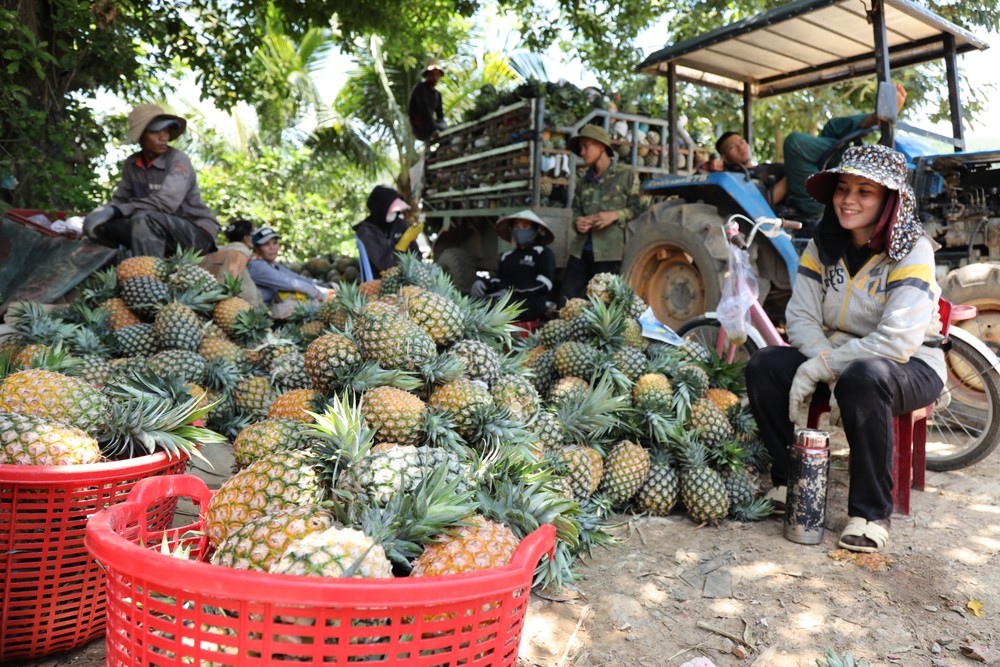
The impact is visible throughout the commune. Once-barren hills have been converted into productive farmland, while improved housing, upgraded roads, and rising living standards reflect the benefits generated by the pineapple industry.
To further unlock the crop's potential, local authorities are working with relevant agencies to expand market access, strengthen links with purchasing enterprises, and gradually build a distinctive brand for Yang Mao honey pineapples.