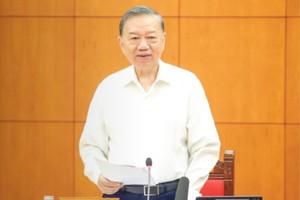
On August 27, in his concluding remarks at the conference reviewing the 2025–2026 academic year and outlining tasks for 2026–2027 academic year, Prime Minister Le Minh Hung called for resolute action to combat the ‘achievement obsession’ - A phenomenon where excessive focus on achievements leads to negative consequences and fraud in teaching and learning.
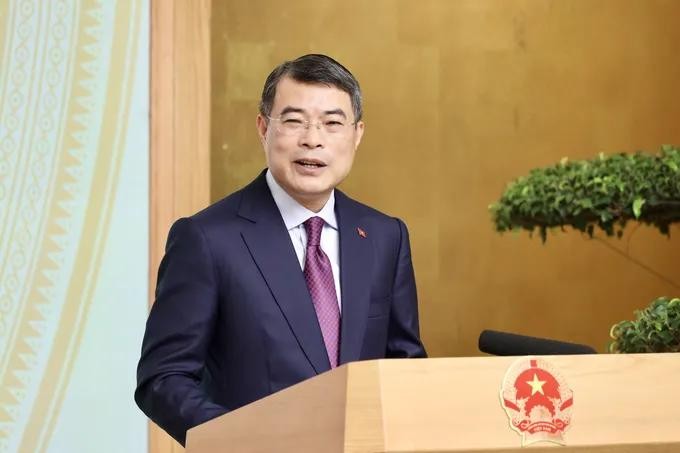
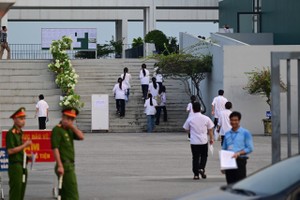
Exam violations and fraud cannot be dismissed merely as symptoms of an "achievement obsession".
At the conference, delegates focused on discussing preparations for the new academic year; solutions to ensure sufficient schools, classrooms, and teachers; management strategies for multi-level and multi-campus schools following reorganization; and substantive reforms in the education sector covering school management, teaching methods, assessment, testing, and admissions. They also addressed the need to strictly rectify the “educational excellence obsession" and exam fraud, handle issues of public concern, reorganize higher and vocational education institutions, and elevate the status and quality of the teaching workforce.
In his concluding address, Prime Minister Le Minh Hung affirmed that the education sector receives significant attention from the Party and the State, specifically from General Secretary and President To Lam, as well as the Prime Minister and the Deputy Prime Minister in charge of the sector.
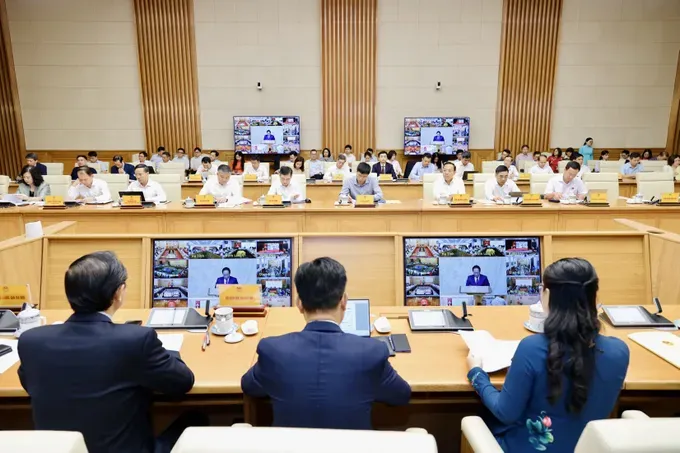
The Prime Minister noted that the 2025–2026 academic year marked the first year of implementing the Resolution of the 14th National Party Congress and the Politburo’s breakthrough resolutions in key areas, particularly Resolution No. 71-NQ/TW on breakthroughs in the development of education and training. Against this backdrop, the education sector demonstrated great effort and high determination, achieving numerous important and outstanding results.
On behalf of the Government, the Prime Minister acknowledged, highly appreciated, and commended the dedication, sense of responsibility, determination, and efforts of the entire education sector over the past academic year, noting its contributions to the country's overall achievements.
Alongside these results, the Prime Minister pointed out existing challenges and shortcomings. He emphasized that the rule of law must be paramount; violations and cheating in examinations cannot simply be attributed to an obsession with achievements but rather reflect a lack of legal compliance, particularly among teachers, representing a major issue for the sector that requires serious attention.
He also directed to address textbook shortages immediately and prevent such situations from occurring.
Regarding the direction for the new academic year, the Prime Minister said the 2026–2027 school year must mark a fundamental shift, moving from institution-building to effective implementation, from administrative management to development-oriented governance, from tracking tasks to measuring results, and from superficial, outward changes to substantive innovation driven from within every school, classroom, teacher, student, and the education sector.
The Prime Minister urged ministries, agencies, and localities to thoroughly grasp and effectively implement key directives. First, there must be a strong shift in focus from finalizing institutions and policies to synchronized, substantive implementation that yields clear results and brings new education and training policies to life. Success must be measured by learner progress, teachers' working conditions, school operational efficiency, and the quality of human resources.
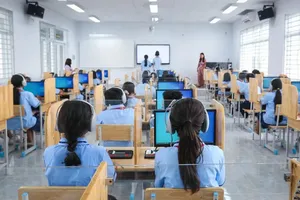
Concurrently, decisive action must be taken to address shortcomings regarding the teaching workforce and facilities; it is essential to ensure sufficient schools, classrooms, and teachers and to prevent students from missing school due to difficult circumstances. Review and address shortages of classrooms, specialized rooms, and equipment, as well as school overcrowding in urban areas and industrial zones. Effectively utilize education administrators who have transitioned to teaching roles.
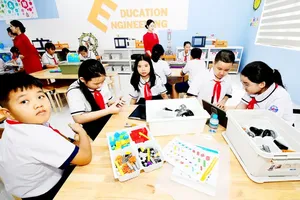
The Prime Minister also called for substantive reform from in the education sector encompassing school governance, the teaching workforce, curricula, teaching and learning methods, and assessment and testing while continuing to heed input from experts and local authorities to evaluate and propose even bolder reform measures.
Furthermore, he directed a continued review of general education curricula and textbooks to promptly rectify any shortcomings. He called for the reform of assessment and testing practices and a resolute stance against the “academic performance pressure” and dishonesty in teaching and learning. Regulations regarding paperwork, record-keeping, and reporting must be reviewed to eliminate unauthorized documentation requirements and prevent teachers from wasting time on non-professional tasks.
The Prime Minister instructed the Ministry of Education and Training to direct and guide substantive reforms in school governance, teaching and learning methods, and assessment; to enhance the quality of comprehensive education; and to strictly address the "achievement disease" with a particular focus on preventing and eliminating dishonesty.
At the same time, the Ministry of Education and Training is tasked with developing plans, strategies, and specific roadmaps to review and refine the general education curriculum and textbooks, reform high school graduation and higher education entrance examinations, improve the quality of higher and vocational education, strengthen policies for educators, and review and optimize the network of preschool, general education, vocational training, and higher education institutions. These proposals are to be submitted to the Prime Minister in October.
Notably, the Prime Minister has tasked the Ministry of Public Security in coordination with the Ministry of Education and Training and relevant agencies with devising appropriate measures to manage the use of mobile phones and social media in schools; mitigating risks and preventing exposure to harmful online content and school violence; and proactively preventing, detecting, addressing, and promptly handling acts of school violence, the trafficking and use of e-cigarettes and narcotics, child abuse, and other social vices within and around school premises.