Beginning in the first semester of the 2026-2027 academic year, the new preschool curriculum will be piloted at 510 educational institutions nationwide. Each province and centrally governed city will select 15 schools to participate in the trial.
In Ho Chi Minh City, preparations have been completed, and schools are ready to begin implementing the curriculum at the start of the new academic year.
Preschools gear up for new curriculum
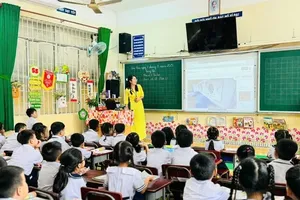
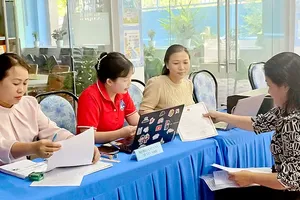
At Ben Thanh Preschool in Ben Thanh Ward, Principal Nguyen Thi My Phuong said the school spent the summer organizing professional development sessions for teachers to study the new curriculum, discuss its key changes, and develop education plans for the 2026-2027 academic year.
Previously, all members of the school's leadership team and teaching staff had attended training courses organized by the Ministry of Education and Training and the Ho Chi Minh City Department of Education and Training.
"I believe the most important factor in implementing the new curriculum is changing teachers' mindset. The previous preschool curriculum assessed children by learning domains, while the new curriculum shifts the focus to developing students' qualities and competencies. Instead of following a single lesson plan, teachers will need to proactively select content, teaching methods, learning materials, and instructional approaches that best develop each child's strengths, Principal My Phuong said.
Meanwhile, at Hoa Binh 1 Preschool in Hoa Binh Ward, Principal Le Thi My Duyen said the school had reviewed all classrooms, functional rooms, and common activity areas, reorganizing spaces to maximize natural light and provide children with larger activity areas.
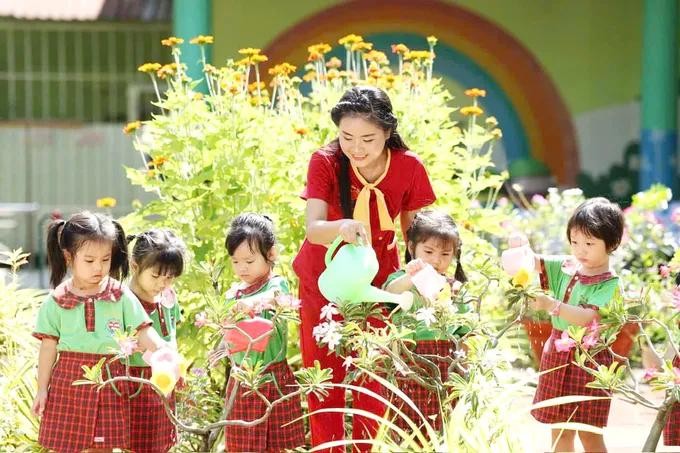
One of the major changes for the 2026-2027 academic year is the introduction of open learning corners that allow children to freely explore, create, and express their ideas, replacing the fixed and passive play areas used previously.
At Vo Thi Sau Preschool in Di An Ward, a shared digital resource library containing more than 500 teaching materials including lesson plans, instructional videos, songs, poems, and stories will be widely used throughout the school in the coming academic year. Teachers in each classroom will independently select teaching content suited to local conditions and students' abilities. During the pilot phase, teachers will rotate classroom observations, learn from one another, and participate in professional development meetings twice a month to propose new ideas, share solutions to challenges, and further develop the school's digital teaching resource library.
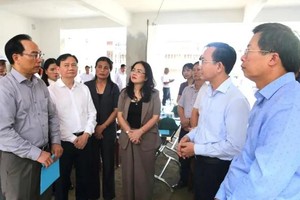
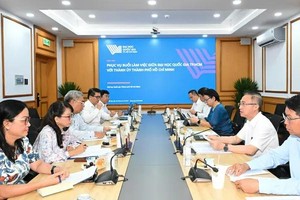
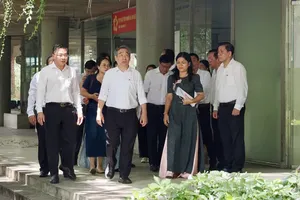
Deputy Director Le Thuy My Chau of the Ho Chi Minh City Department of Education and Training has emphasized that schools must avoid rigid, mechanical implementation of Vietnam’s new preschool program, stressing that all activities should be based on the actual needs and abilities of children. She called on administrators to support teachers by working alongside them, reducing unnecessary administrative pressure, and prioritizing communication to build parent consensus.
Teachers face challenges in new curriculum pilot
According to Principal Tran Thi Kim Chung of Vo Thi Sau Preschool, teachers will need time to adapt while gradually gaining experience with the new curriculum.
The pilot phase requires teachers to embrace challenges, think creatively, take initiative, and continuously learn, Principal Kim Chung said. She added that spirit must be fostered by school leadership, creating a working environment that encourages initiative and self-directed learning to improve the quality of curriculum implementation.
Given the uneven quality of facilities among schools, Principal Le Thi My Duyen of Hoa Binh 1 Preschool proposed that local governments provide dedicated funding for digital transformation and investment in technology equipment for schools in disadvantaged areas.
She also said the Ministry of Education and Training should continue reviewing and issuing implementation guidelines with greater flexibility so that schools in disadvantaged areas and those with substandard facilities can adopt the curriculum without being overburdened.
For teachers, she recommended expanding hands-on training programs and creating forums where schools can share practical experience, giving educators more opportunities to exchange ideas, learn from one another, and build confidence before the curriculum is introduced nationwide.
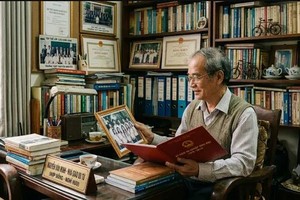
Ly Thi Suong, Deputy Head of the Preschool Education Division under the Ho Chi Minh City Department of Education and Training, said that before Vietnam's administrative boundary reorganization, Ho Chi Minh City and Ba Ria–Vung Tau Province were among six localities selected by the Ministry of Education and Training to pilot the new preschool curriculum beginning in the 2022-2023 academic year.
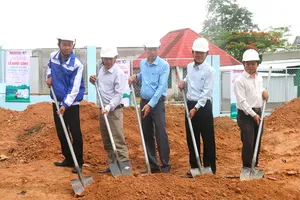
To date, six preschools, one preschool group, and one kindergarten class have participated in the pilot program. Starting with the 2026-2027 academic year, Ho Chi Minh City will expand the pilot to 15 educational institutions. The rollout will prioritize areas with favorable facilities and qualified teaching staff to draw lessons before expanding the model in ways that suit the conditions of each locality.